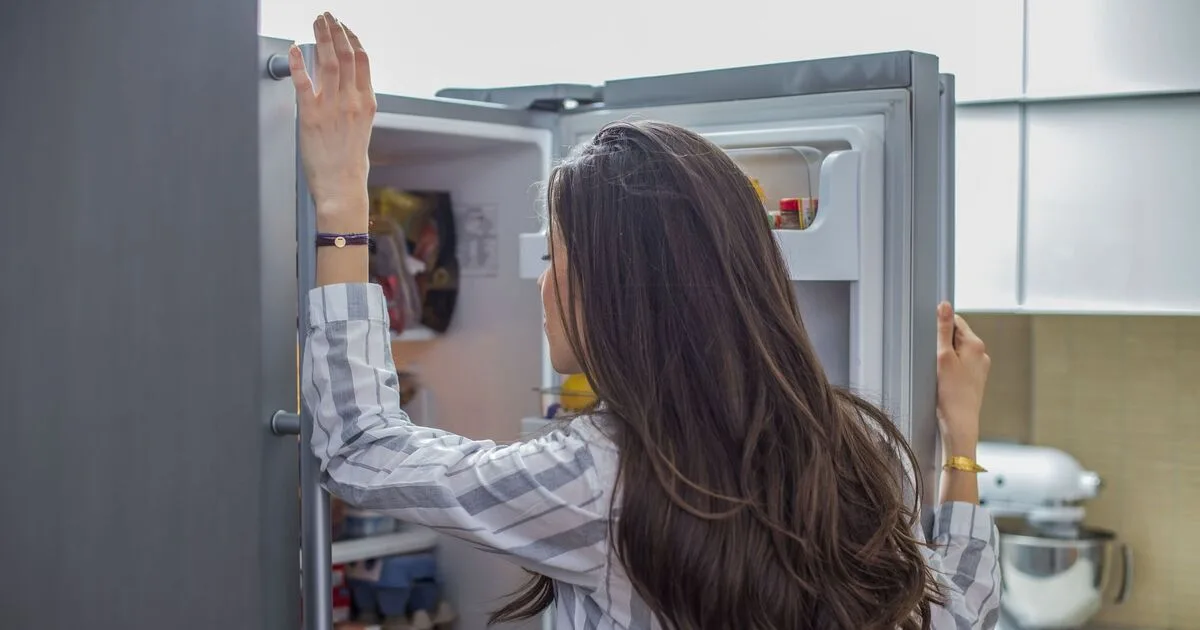
UK households are being warned not to overfill their refrigerators as it could pose a serious risk to health. The Food Standards Agency (FSA) advises that fridges should be kept at 5°C or below to prevent the growth of harmful bacteria.
Kirstie Jones, an environmental health officer at Navitas Safety, explains that overstocking restricts airflow, causing temperature fluctuations. This can make perishable items like dairy, meat, and leftovers unsafe to eat. Bacteria such as Salmonella and E.coli can multiply rapidly at higher temperatures, leading to food poisoning.
“Anything held above the legal maximum temperature of 8°C for more than two hours should be disposed of,” warns Jones. She advises erring on the side of caution: “If in doubt, throw it out!”
Overfilling also leads to frost or ice build-up, a sign of poor air circulation. This not only raises the risk of bacterial growth but also increases energy bills as the fridge works harder to maintain cool temperatures. Additionally, overcrowding can cause cross-contamination between raw and ready-to-eat foods.
To keep food safe, Jones recommends a weekly fridge check using the “first in, first out” method, storing raw meat on the bottom shelf, and leaving gaps around shelves for air to circulate. Removing any spoiled food promptly is also crucial to prevent mould and bacteria from spreading.