The Enduring Appeal of Pesto: A Culinary Staple Reimagined
Pesto, the vibrant Italian sauce, has long been celebrated for its versatility and rich flavour profile. Whether tossed with pasta, drizzled over pizza, stirred into soups, or used as a tart filling, this classic condiment remains a kitchen essential for home cooks and chefs alike. Its adaptability allows it to complement a wide range of dishes, making it a favourite across generations.
A Personal Encounter with Pesto Making
Recently, a parent observed their 14-year-old son attempting to make pesto for the first time, marking a significant shift from his earlier disdain for the sauce. To avoid disrupting the moment, they refrained from close inspection, though the process was audible—a blunt churning sound as the immersion blender met basil leaves and nuts. This method proved somewhat messy, sending oily green and white fragments across the kitchen, but the result was impressively tasty. The pesto was mixed with linguine, green beans, and potatoes, though cleanup left lingering dried flecks on utensils, a testament to the sauce's persistent nature.
The Origins and Evolution of Pesto
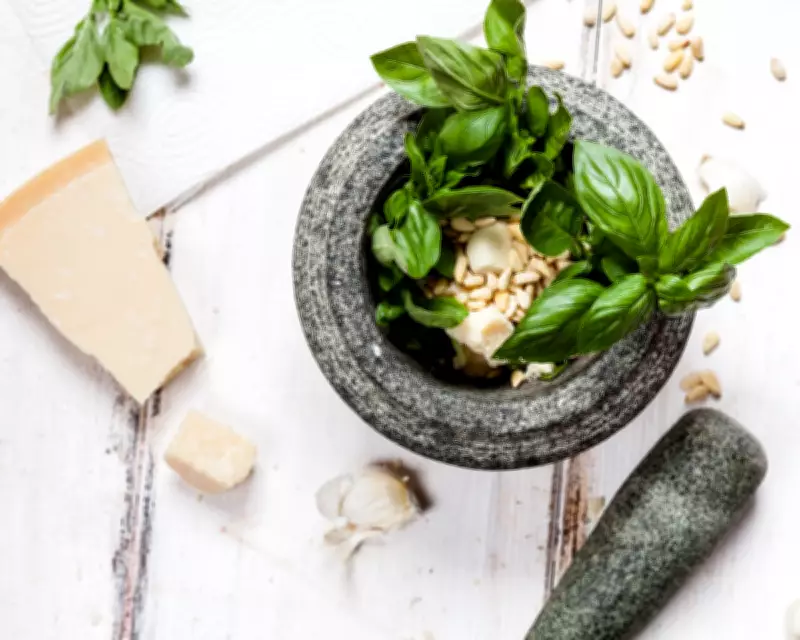
The term "pesto" derives from the Italian word pestare, meaning to pound or crush, traditionally done with a pestle. Originating in Genoa, within the Liguria region, the classic version—known as pesto alla Genovese—combines basil, pine nuts, pecorino cheese, garlic, and olive oil. This harmonious blend has achieved such popularity that it's often referred to by its single name, much like iconic celebrities. Some purists argue that only this traditional recipe qualifies as authentic pesto, though many variations have emerged over time.

Classic Uses and Creative Adaptations
The classic pesto is praised for its balanced flavours, particularly as a pasta accompaniment. Its versatility extends to soups, dressings, pizzas, and baked potatoes, as highlighted by culinary experts like Felicity Cloake and Rachel Kelly. Expanding beyond tradition, ancient Roman suggestions indicate that pesto can be made with any leafy greens, nuts, cheese, garlic, and oil, allowing for endless creativity.
- Almond and Tomato Pesto alla Trapanese: A softer sauce from Sicily, ideal for pasta or sandwiches.
- Wild Garlic and Basil Pesto: Recommended by Nigel Slater for toast with mozzarella or spring vegetable stews.
- Sage and Pistachio Pesto: A punchy option that can be mellowed with ricotta, perfect for toast, potatoes, or soups.
- Mint Pesto: Used by Anna Jones in artichoke and pea stews, adding a fresh twist.
Practical Tips for Pesto Preparation
One of pesto's greatest strengths is its flexibility—home cooks can use whatever ingredients they have on hand, in any quantities, and still achieve a delicious result. Blending or pounding the components together typically yields a cohesive sauce. For those using immersion blenders, a deep bowl is advised to minimise splatter and ensure a smoother process.
Culinary Highlights and Inspirations
In other food-related news, Joe Woodhouse's new cookbook, Weeknight Vegetarian, emphasises minimal ingredients with maximum flavour, featuring seasonal recipes like a spelt stew au pistou. Meanwhile, loaded crisps, inspired by social media trends, offer creative snack ideas, such as fried egg and bacon bits on Italian crisps. Additionally, photographer Martin Parr's evocative images, capturing scenes from ice-cream cones in Brighton to lobster pots in Cornwall, provide visual feasts that complement the culinary experience.
Pesto continues to inspire both traditionalists and innovators, proving that a simple sauce can evolve while maintaining its core appeal. Whether sticking to the classic Genovese recipe or experimenting with modern twists, this Italian favourite remains a testament to culinary creativity and versatility.