Mastering the Art of Downsizing Recipes: A Guide for Solo Cooks
When it comes to downsizing recipes, many home cooks assume it's a straightforward matter of dividing ingredients by the number of servings. However, culinary experts unanimously agree that this approach often falls short, and success hinges more on applying common sense and practical adjustments.
Why Simple Division Doesn't Always Work
As highlighted by Melanie in her query, merely splitting ingredient quantities can lead to disappointing results. Kitty Coles, author of Make More With Less, emphasises that while a bit of maths is involved, it's not the sole solution. The key lies in understanding the nuances of recipe scaling, which goes beyond basic arithmetic.
Essential Considerations for Downsizing
First and foremost, invest in appropriate cookware. Alexina Anatole, creator of the Small Wins Substack, advises using smaller pans and skillets to avoid issues like overcooking or undercooking. She explains that a tiny amount of liquid in a large pan receives excessive heat exposure, compromising the dish's quality. Shelina Permalloo, author of What to Cook When Everyone's Hungry, adds that methods such as the absorption technique for rice can become problematic with incorrectly sized pans.

Anatole recommends scaling to the lowest common denominator, noting that it's challenging to split items like eggs or whole chickens. Instead, she suggests frontloading the work by preparing larger batches and repurposing them throughout the week. For instance, a whole roast chicken can yield multiple meals: a Sunday roast, shredded breast for soup, and leftovers with pasta. Soups and stews freeze exceptionally well, so making the full recipe and storing portions for future use is a smart strategy.
Permalloo also advocates for stocking the freezer with base ingredients like frozen chopped onions and soffritto to save time and reduce waste, as using small amounts of fresh produce can feel labor-intensive.
Navigating Seasonings and Cooking Times
Downscaling becomes particularly tricky with seasonings such as salt, pepper, spices, and lemon juice. Permalloo cautions against simply dividing measurements; for example, a tablespoon of ground cumin for four servings cannot be reduced to a quarter tablespoon for one. Instead, she advises adding seasonings gradually and layering flavours to taste. Trusting your instincts is crucial, especially with cooking times, as reduced volumes often cook faster. Regular checking is essential to avoid overcooking.
Recipes Ideal for Scaling Down
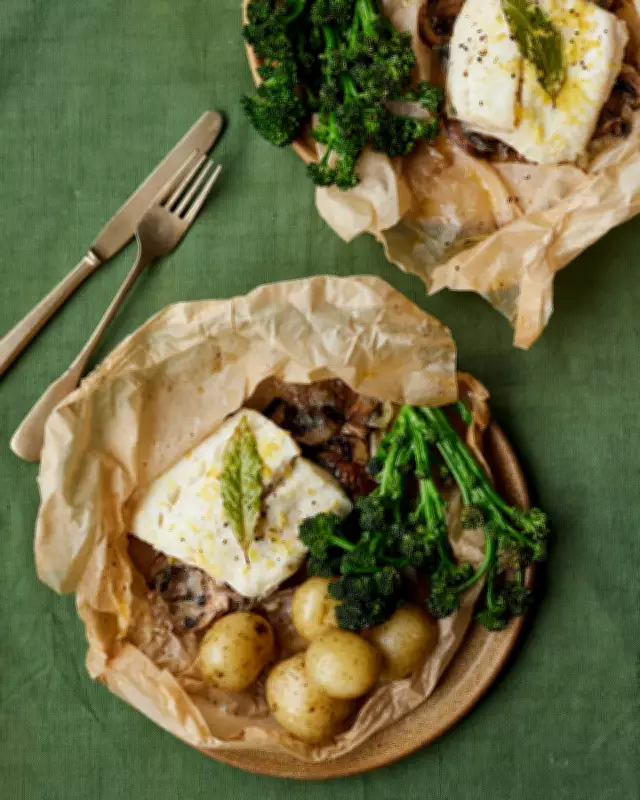
Some recipes naturally lend themselves to downsizing. Anatole highlights en papillote (cooking in paper parcels) as a favourite method. For a simple version, place a salmon fillet, sliced shiitake mushrooms, and spring onions on baking paper, drizzle with equal parts sake, soy, and mirin, wrap, and bake for 15 minutes. Serve with brown rice and greens for a meal with minimal cleanup.
Challenges in Baking
Baking presents greater complexities due to its scientific nature. Coles notes that scaling down cake and cookie recipes can be daunting, and she suggests leveraging AI tools for precision. Alternatively, Permalloo recommends baking the full batch and freezing leftover slices, ensuring no cake goes to waste—a welcome solution for any dessert lover.
By embracing these expert tips, home cooks can confidently downsize recipes, making solo dining both efficient and enjoyable.