A leading general practitioner has issued crucial advice for the millions of Britons living with Irritable Bowel Syndrome (IBS) ahead of the festive season, highlighting how traditional Christmas fare can exacerbate uncomfortable symptoms.
Navigating the Festive Food Minefield
With an estimated one in five people in the UK affected by IBS, the condition's impact on the digestive system is widespread. Symptoms like stomach cramps, bloating, diarrhoea, and constipation can flare up rapidly or persist for weeks. While the exact cause remains unclear, dietary management is a key strategy for many sufferers.
Dr Claire Merrifield, a GP at Selph, points out that the Christmas period poses unique challenges. "Fatty foods and alcohol are common triggers of IBS, which can make Christmas a very difficult time for those that suffer with it," she explained. "In addition, stress tends to make symptoms of IBS worse."

The doctor also notes that foods high in FODMAPs (Fermentable Oligosaccharides, Disaccharides, Monosaccharides and Polyols) are prevalent during the holidays and can increase gas and bloating. These include cauliflower, onions, garlic, milk, bread, and certain sweeteners.
The Surprising Culprit on Your Christmas Plate
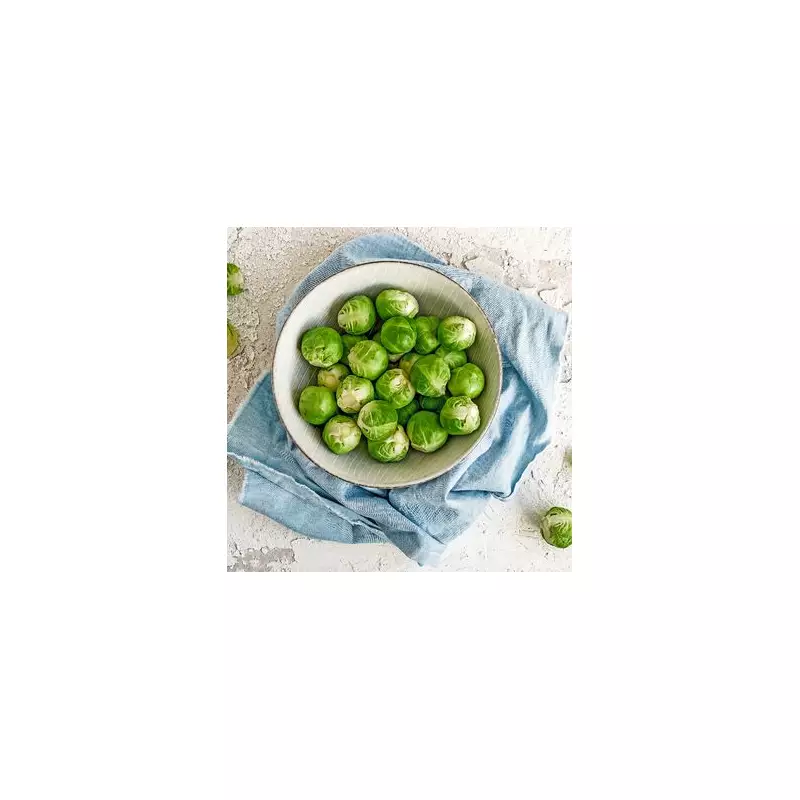
While rich treats like cheese, chocolate, and festive puddings are known irritants, Dr Merrifield singles out a specific Christmas dinner staple: Brussels sprouts.
"Love them or hate them, there is actually science behind the reasons why Brussels sprouts make you gassy," she said. "Although they're high in vitamins and antioxidants, they contain a lot of fibre which is fermented by bacteria in our colon, leading to the production of gas that our bodies must release. This can lead to discomfort in some people with IBS."
Her straightforward advice for a more comfortable meal? "Try swapping out Brussels sprouts for a less gassy alternative, like carrots or green beans."
Practical Tips for a Symptom-Free Celebration
Beyond the sprout swap, Dr Merrifield offers several other practical strategies for managing IBS over Christmas:
Reduce Fatty Foods: Be mindful of rich desserts and snacks. "If you're in charge of cooking, try and make sure there are some lighter options," she suggests, advising a mindful approach to indulgence.
Monitor Drinks: Alcohol, tea, and coffee can all trigger symptoms. Consider non-alcoholic or decaffeinated alternatives. "Fruit-infused water is a really nice way to stay hydrated and refreshed and peppermint tea can help with abdominal pain related to IBS."
Wear Comfortable Clothing: Avoid tight waistbands that can restrict your gut. "Wear loose-fitting clothes that are baggy around the middle... prioritise comfort over fashion."
Manage Stress: Incorporate brief pauses and mindfulness. Dr Merrifield recommends simple breathing techniques, like the 3-4-5 method (inhale for 3, hold for 4, exhale for 5), to re-centre yourself amidst potential family tensions or feelings of isolation.
By making informed choices and prioritising wellbeing, those with IBS can better enjoy the festive season with reduced discomfort.