
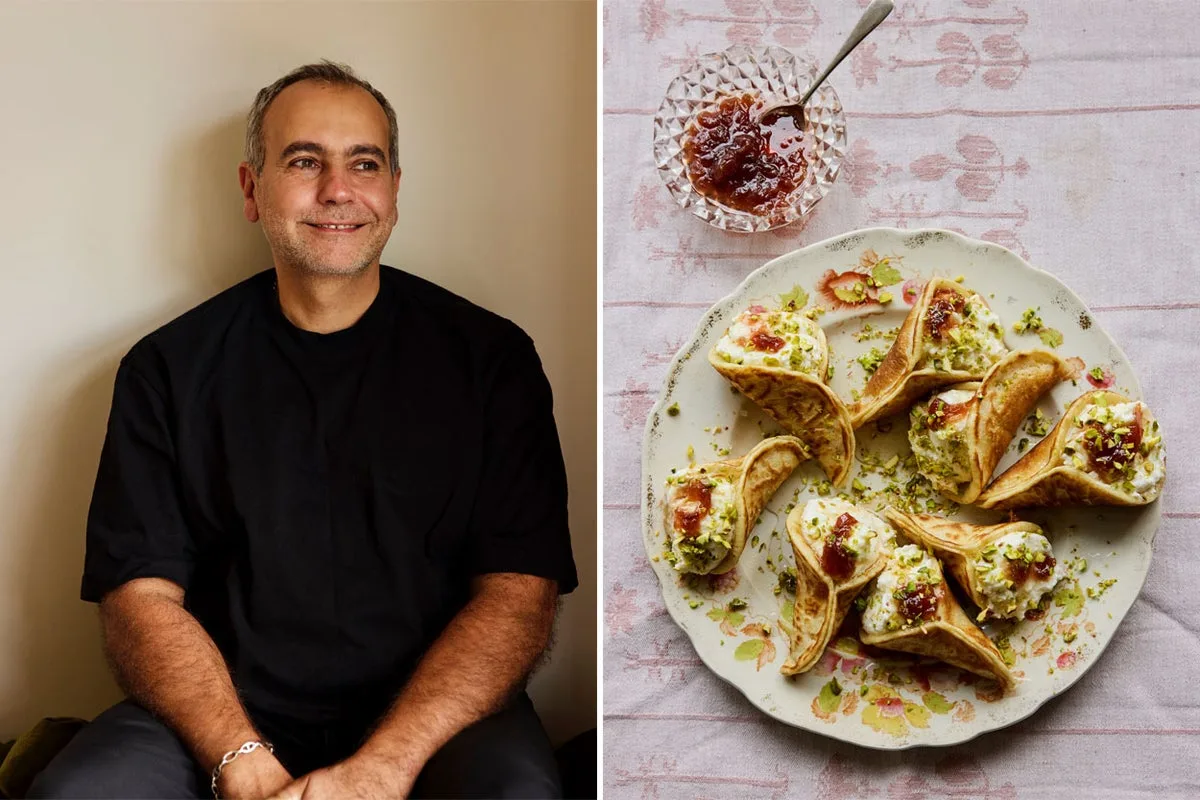
Lebanese chef Jad Youssef has spoken out against modern twists on traditional dishes, such as chocolate hummus and sweet potato falafel, which he says are causing Lebanese cuisine to lose its identity. Youssef, who moved from Lebanon in 1999 and now runs the restaurant Lebnani in Surrey, expressed his concerns in an interview ahead of the release of his debut cookbook, also titled Lebnani.
Youssef criticised social media influencers for altering classic recipes, such as adding halloumi to meat shawarma or baking falafel instead of frying it. 'When you say falafel – we know what falafel is, it’s fried, so it’s crispy on the outside, nice and fluffy on the inside, with a nice whipped tahini cream. But now you see baked falafel, or falafel with sweet potato, or falafel with beetroot,' he said. He described these changes as attempts to 'fit the Western palate' and said they make him 'sad' rather than angry.
The chef emphasised the importance of preserving traditional methods passed down through his family. 'I want to focus on the classics and tradition, and make them the right way – how we do it back home, how my mum used to do it, and my aunties, and now my sisters,' he explained. His cookbook includes recipes for hummus, kafta, falafel, tabbouleh, and knefe – the latter of which he insists should never contain corn flakes, a substitution he has seen online.
Youssef also addressed common misconceptions about Lebanese cuisine, noting that it extends beyond mezze and grills. 'We have over 200 dishes of mezze between vegan, vegetarian and meat, and they’re quite seasonal as well,' he said. The cookbook features lesser-known dishes such as fraké nayyé (a spiced lamb tartare) and hindbeh b’zeit (sautéed dandelion greens). He also clarified that baba ghanouj is a charred aubergine dish with vegetables, not the tahini-based dip often served in restaurants, which is actually called mtabbal.
Born in 1977, two years after the Lebanese Civil War began, Youssef said food was a unifying force during his childhood. As the youngest of six siblings, he helped his mother with cooking and assisted at his father’s pastry shop in Beirut. When school was cancelled during the war, he accompanied his mother to the market daily, learning to select quality ingredients. 'This is where I learned about how to choose,' he said. 'To work with good ingredients, good spices, good olive oil… I was born surrounded by food.'




