UK's Youngest Blood Transfusion Recipient Saved by Rare Womb Procedure
Youngest UK Blood Transfusion Recipient Saved in Womb

UK's Youngest Blood Transfusion Recipient Saved by Rare Womb Procedure

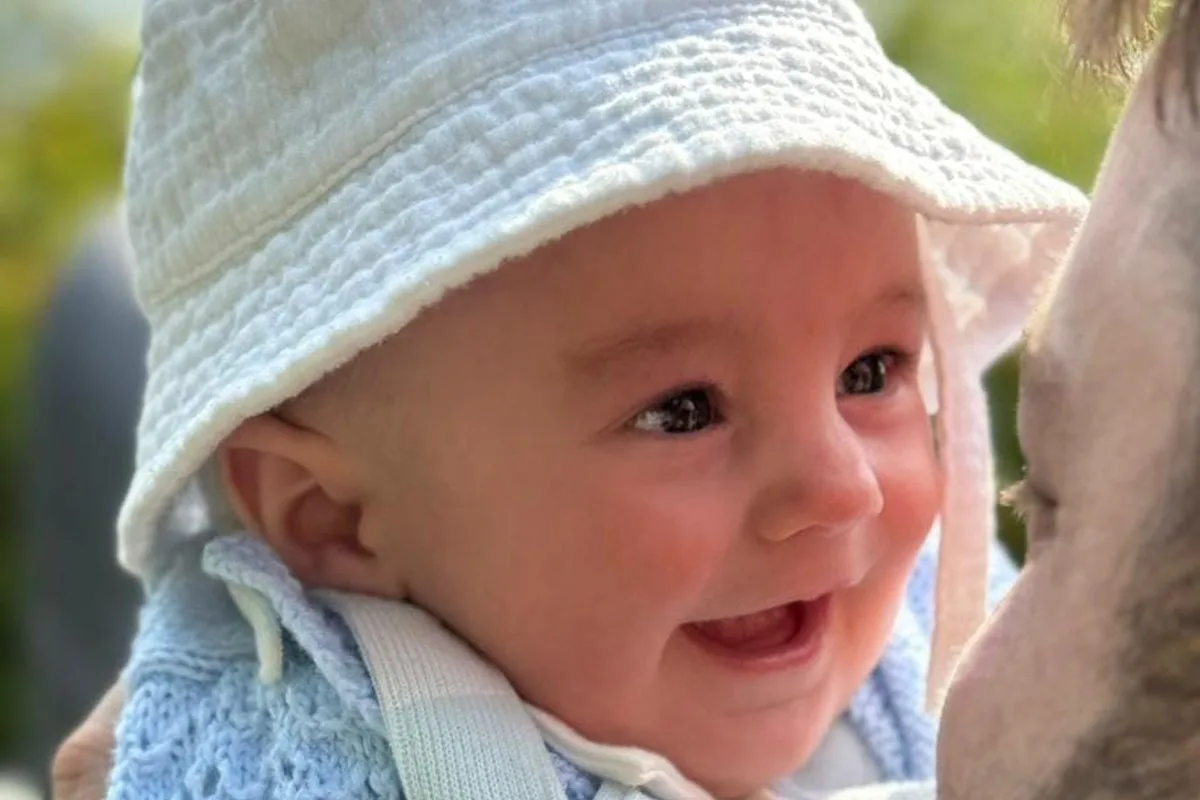
The family of the United Kingdom's youngest ever blood transfusion recipient has spoken out about their immense gratitude towards the donors whose specialised blood made his survival possible. Arthur Ransom received a life-saving intrauterine transfusion when his mother was merely 16 weeks pregnant, making him the youngest patient in the UK to undergo this rare medical procedure.

A Delicate Lifesaving Intervention

When Arthur was approximately the size of an avocado, doctors performed an intricate transfusion procedure while he was still in the womb. This intervention became necessary after he contracted parvovirus, commonly known as slapped cheek syndrome, which typically poses little threat to children but proved devastating to Arthur's underdeveloped immune system.

The virus caused severe anaemia in the unborn baby, leading to a dangerous accumulation of fluid around his heart and organs. This fluid buildup resulted in heart failure, creating a critical situation that demanded immediate medical action.

Wide Pickt banner — collaborative shopping lists app for Telegram, phone mockup with grocery list

The intrauterine transfusion was delivered at St George's Hospital in London during 2024, providing essential oxygen to Arthur's body so the excess fluid could be reabsorbed. This crucial procedure reduced the strain on his tiny heart and organs, allowing normal function to gradually return.

Specialised Donor Requirements

NHS Blood and Transplant has identified the eight donors whose blood has been used most frequently for these rare intrauterine transfusions. The procedure requires blood that meets several strict criteria, with donors needing to be men who have type O blood that is both "Kell negative" and negative for cytomegalovirus.

Their blood is processed into small packs of highly concentrated red cells, which are then transfused via needle under ultrasound guidance. NHSBT issues only about 180 of these specialised IUT units annually, highlighting the rarity of both the procedure and the compatible blood required.

Dr Anne Kelly, paediatric transfusion and components clinical expert for NHSBT, explained: "Intrauterine transfusions are very rare. They are only done in specialised units when absolutely needed to help save a life. We only supply blood from carefully selected donors with extra safety measures applied, as the patients are particularly vulnerable recipients due to their small size and developmental immaturity."

A Mother's Profound Gratitude

Arthur was born in January 2025 and is now thriving according to his mother, Maisie Ransom, a 30-year-old primary school teacher from Cranleigh in Surrey. She described the experience as "absolutely terrifying," recalling how doctors gave Arthur only a 50/50 chance of survival.

"The doctors were working within millimetres because he was so small," Maisie remembered. "Without that blood he would not have made it – his organs were failing, his heart was completely enveloped in fluid and it was struggling to pump. If nothing was done he would not have made it much longer."

She added that medical staff believe Arthur is the youngest patient in the UK to have received an intrauterine transfusion. Now watching her son reach developmental milestones, Maisie reflects daily on their good fortune.

"I don't think there are words to describe how thankful I am to blood donors," she expressed. "To have the life I am now living, with my family, there's no words to express the gratitude I feel and how fortunate I was to be able to access that care and blood promptly. I do often wonder who the person to donate was as I would love to tell them that their decision to give blood gave my boy the chance to be here."

Donors Inspired by Personal Connections

Paul Bickley, 45, from Richmond, has been identified as one of the men whose blood has been used most frequently for IUT procedures. The father of four and insurance company vice president began donating because of his mother's influence.

Pickt after-article banner — collaborative shopping lists app with family illustration

"I started donating because my mum and dad donate," Bickley explained. "My mum told me it is a good thing to do to give back literally and metaphorically to society. She just has a generous heart. As the years went on and we had our own children I just realised life is very precious and that kept me donating."

Upon learning how his blood had been used, Bickley said: "Hearing my blood was used in this way almost made me cry, to think a very small act of kindness on my part could have such a massive impact. It was mind-blowing and miraculous."

Another frequent donor, David Smith, 64, from Westminster in London, has donated more than 80 times overall. The retired heating and ventilation engineer stated: "When I found out I was O negative I thought I would keep doing this. You can't not do it if you can help babies, you have to. It's always a pleasure to donate, whether it's used for babies or for anyone."

Medical Community's Perspective

Dr Luci Etheridge, consultant paediatrician and chief medical officer at St George's Hospital, emphasised the critical importance of these procedures: "For babies like Arthur, a blood transfusion while still in the womb can mean the difference between life and loss. We are proud to provide this highly specialised, lifesaving care at St George's, and are deeply grateful to the donors whose generosity makes this possible, as well as to NHS Blood and Transplant for their vital and ongoing work."

NHSBT continues to encourage potential donors to register through blood.co.uk, particularly those with rare blood types that might be suitable for specialised procedures like intrauterine transfusions. The organisation remains profoundly grateful to all donors whose contributions make such medical miracles possible for the most vulnerable patients.




