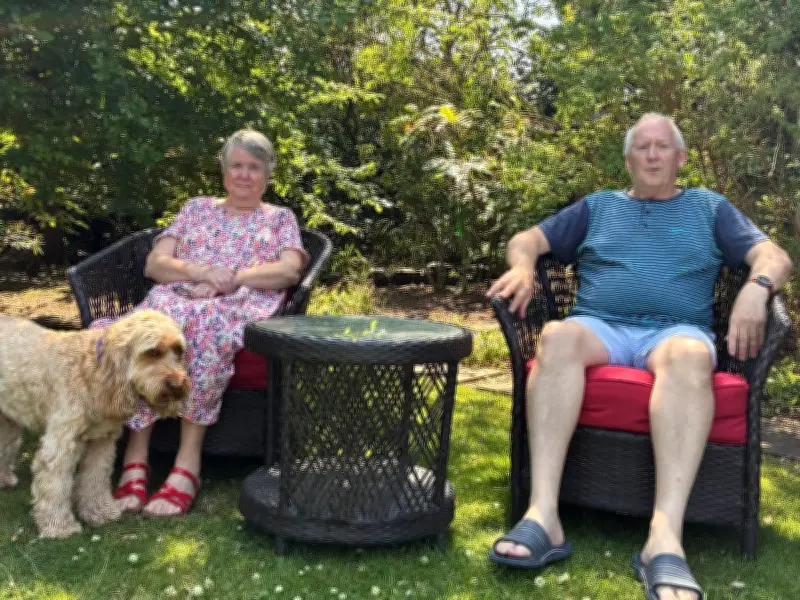
Retired teachers Paul and Jill Pearson from Eastham, Wirral, have successfully recovered £40,000 in care costs that they should never have paid, following a decade-long legal battle. The couple argued that Paul's mother, Kath, who had Alzheimer's disease, was eligible for NHS Continuing Healthcare funding during the last year of her life, but was wrongly forced to self-fund her care.
The financial burden of self-funding care
Kath Pearson paid more than £250,000 towards her care from the sale of her home and her life savings after being placed in a care home. Paul and Jill, both retired teachers, were told by social services that Kath would have to pay her own way because her needs were classified as social care rather than nursing care. Jill Pearson explained: "If you have Alzheimer's, your needs are classified as social care rather than nursing care. Therefore, if you have assets, you have to self-fund."
Kath lived with Paul, Jill, and their two children for five years after her diagnosis, but the family reached a "crisis point" as her dementia deteriorated. Jill said: "We had two children doing exams, we were both working full-time, and we simply couldn't cope anymore." Kath was then placed into Mayfields Care Home in Overpool, Ellesmere Port, where she remained for six years.
Unaware of NHS Continuing Healthcare
The Pearsons say they were not informed about NHS Continuing Healthcare until Kath had been in the care home for several years. This funding is a package of ongoing care arranged and funded solely by the NHS for individuals assessed as having a 'primary health need'. Jill described how all of Kath's income, including her old-age pension and company pension, went directly towards care costs. "My husband's parents had been grocers and farmers, so he had inherited some money and bought property. It was money passed down from Paul's great-granddad to his dad, then to his mum, and ultimately it all went straight to the council," she added.
During her time at Mayfields, Kath's condition deteriorated significantly. She lost mobility and experienced episodes of constant screaming. In 2012, when Kath's funds were nearly exhausted, a social worker reviewed her case and said: "My God, what is she doing here? This home is not suitable for this lady." Kath was then moved to a nursing home funded by the NHS, and the family learned about Continuing Healthcare.
A decade of appeals and emotional toll
Paul and Jill believed Kath should have been eligible for Continuing Healthcare funding for years before it was granted. They worked with a solicitor to launch claims for the periods she should have been funded. Paul said: "We would travel to meetings in Lancaster to argue that her needs had clearly crossed the threshold into healthcare by a certain date, meaning we should never have been paying out of pocket. The tribunals kept rejecting us, claiming there wasn't enough evidence in the home's records."
The first tribunal was held in 2012. In 2021, it was ruled that Kath should have been eligible for Continuing Healthcare funding a year before her death. The funds were finally paid in 2023. Jill said: "Kath died in 2014, but instead of being able to grieve normally, we spent over a decade constantly reliving the most painful and distressing years of her illness for these appeals. It felt incredibly cruel."
Expert advice and widespread issue
The Pearsons were supported by Lisa Morgan, a solicitor at law firm Hugh James specialising in nursing care issues. She said: "As a department, we've recovered over £20 million in twenty years. Those are all care fees that should have been paid by the NHS, which we've recovered on behalf of our clients. Sadly, it's very common; we see it every day."
Jill advised other families: "Look at the official care domains and log your own notes every single time you visit. Written evidence is incredibly powerful. If you have books of your own daily observations regarding their mobility, communication, and behaviour, the authorities have to take notice."
Responses from authorities
A spokesperson for NHS Cheshire and Merseyside said: "We recognise how difficult and distressing this process has been for Mr Pearson and his family and apologise for the time taken for this to be resolved." A spokesperson for MHA, the parent company of Mayfields Care Home, stated: "All of our residents are continually assessed to make sure that we are able to meet their needs in our homes. If we feel that we are unable to meet their needs, then we will discuss this with the resident and their family." Cheshire West and Chester Council, which conducted Kath's assessments, did not respond to a request for comment.