Weight-Loss Jabs May Slow Cancer Spread, New Study Suggests
Weight-Loss Jabs May Slow Cancer Spread, Study Suggests

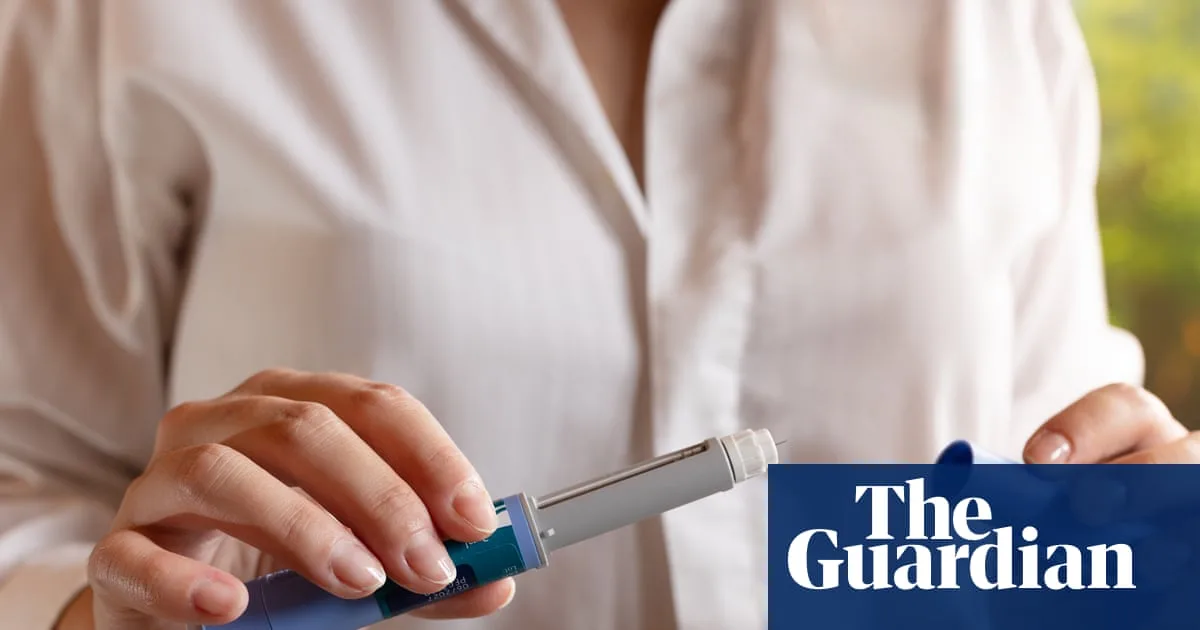
Promising new research suggests that weight-loss injections could slow the spread of certain cancers and improve survival outcomes. Scientists at the Cleveland Clinic in the United States found that patients who began using these jabs after a cancer diagnosis experienced a slowdown in the progression of the disease.

Key Findings on Cancer Types

The effect was most pronounced for lung and liver cancers, but the injections, including Ozempic, Wegovy, and Mounjaro, also demonstrated a capacity to slow the progression of breast and bowel tumours. The researchers concluded that these drugs, collectively known as GLP-1 medications, may offer protective benefits against seven types of cancer, including prostate, kidney, and pancreatic cancers.

Dr. Mark Orland, the study's lead author, stated: 'Our study found that use of GLP-1 drugs was associated with a meaningful reduction in cancer progression.' While the team did not examine the underlying mechanism, they hypothesise that the drugs, which reduce appetite, may work by decreasing inflammation and fat surrounding tumours. This fat can serve as a fuel source that cancer cells use to grow and spread to other parts of the body.

Wide Pickt banner — collaborative shopping lists app for Telegram, phone mockup with grocery list

Study Details and Results

The study included 12,112 patients in the early stages of cancer who were taking either a weight-loss jab or other diabetes medications. The scientists aimed to determine whether patients on GLP-1s were less likely to progress to stage 4 cancer, where the disease spreads to another organ, compared to those taking gliptins, a different class of diabetes drug. Stage 4 tumours are typically less responsive to treatment and more challenging to manage.

Results showed that lung, breast, colorectal, and liver cancer patients treated with GLP-1s were between 38 and 50 per cent less likely to develop stage 4 cancer than those on gliptins. The weight-loss drug also appeared to have a protective effect for prostate, pancreatic, and kidney cancers, although these results were not statistically significant.

Expert Reactions and Obesity Link

Experts are now calling for larger trials of these drugs in cancer patients to provide stronger evidence for their protective effects. The study will be presented at the annual meeting of the American Society of Clinical Oncology later this month. Obesity is overtaking smoking as the leading modifiable risk factor for nearly all cancers, and healthcare professionals agree that losing weight can significantly reduce the risk of developing the disease. A recent study by the Institute of Cancer Research found that excess weight is associated with ten of the 11 cancers rising in young people, including kidney, bowel, and pancreatic cancer, with oral cancer being the only exception.

Cautions for Cancer Patients

However, cancer patients have been warned against taking 'quick fix' weight-loss jabs unless advised by specialist doctors. This is because drugs like Wegovy and Mounjaro can slow the absorption of other medications, reducing their effectiveness. Dr. Owen Carter, national clinical adviser at Macmillan Cancer Support, cautioned: 'We know that cancer affects everybody differently, and it's understandable that patients may want to manage their weight before or after treatment for cancer. But we simply do not know enough about the long-term impacts of these weight-loss medications to recommend them if they're not prescribed by a specialist.'

Pickt after-article banner — collaborative shopping lists app with family illustration




