
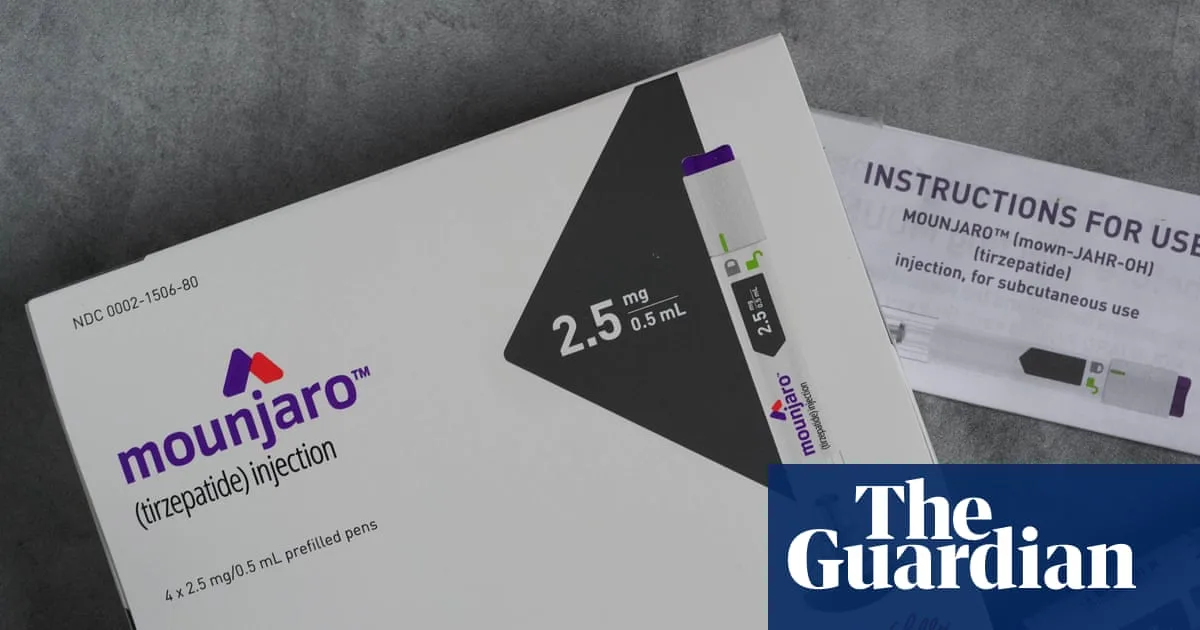
Hundreds of people have reported problems with their pancreas linked to weight loss and diabetes injections, prompting UK health officials to launch a study into side-effects. Some cases of pancreatitis associated with GLP-1 medicines have been fatal.
The Medicines and Healthcare products Regulatory Agency (MHRA) has seen an increase in reports of acute pancreatitis through its Yellow Card scheme. Acute pancreatitis is a sudden inflammation of the pancreas, often requiring hospital admission, with symptoms including severe abdominal pain, nausea, and fever.
Patient information leaflets list pancreatitis as an 'uncommon' reaction, affecting around one in 100 patients. To date, the scheme has received nearly 400 reports of acute pancreatitis from users of Mounjaro, Wegovy, Ozempic, and liraglutide, with nearly half involving tirzepatide (Mounjaro). More than a quarter of these cases were reported in 2025.
The MHRA is now investigating potential genetic factors that could increase the risk. It has invited patients hospitalised with suspected drug-related pancreatitis to participate in the Yellow Card Biobank study, run by Genomics England, providing saliva samples for analysis.
Dr Alison Cave, the MHRA's chief safety officer, said: 'Evidence shows that almost a third of side-effects to medicines could be prevented with the introduction of genetic testing.' A spokesperson for Lilly, maker of Mounjaro, confirmed that pancreatitis is listed as an uncommon side-effect, while Novo Nordisk, maker of Ozempic and Wegovy, emphasised that the benefit-risk profile of their GLP-1 medicines remains positive.




