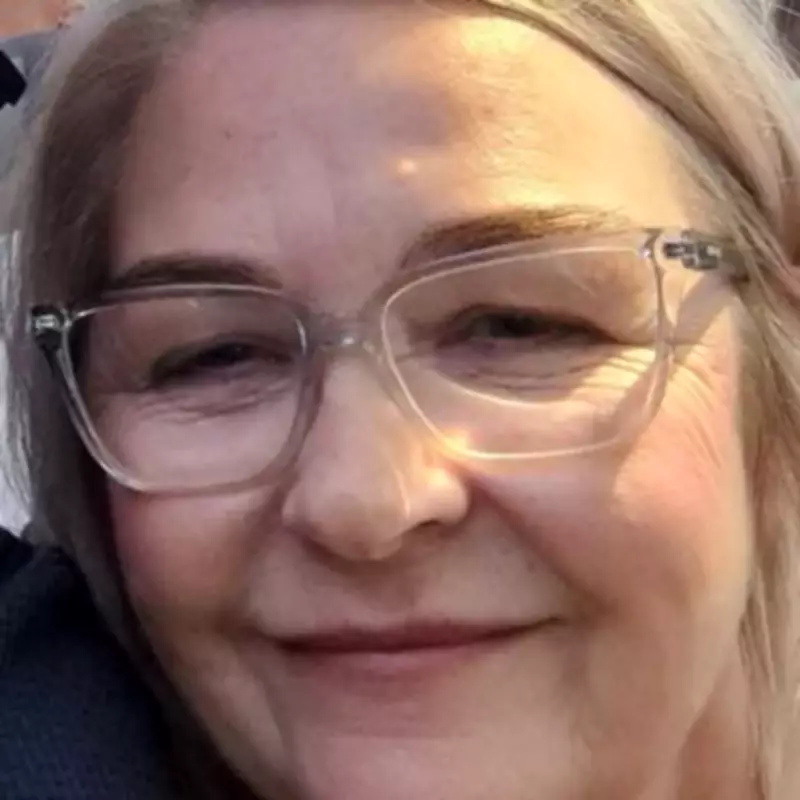
A woman is set to take part in the world's first clinical trial aimed at treating broken heart syndrome. Brenda Young, 57, developed the condition while witnessing her mother's passing after a complex illness last November.
Understanding Takotsubo Syndrome
The University of Aberdeen has launched the first ever trial to treat Takotsubo Syndrome, commonly known as broken heart syndrome. This condition affects more than 5,000 people in the UK annually and countless others globally. It can be fatal, with one in ten individuals dying from the initial attack.
Frequently mistaken for a heart attack, a takotsubo episode is typically triggered by sudden emotional trauma, such as the loss of a loved one, which explains the name "broken heart syndrome." Within minutes of her mother's death, Brenda felt an intense and overwhelming pain in her chest and was admitted to hospital.

"I just remember thinking 'this cannot be happening, not today,'" she said. "I knew there was something really wrong. My family were all around my mum's bedside, and I thought 'how can I tell them I'm having chest pain?'"
Diagnosis and Aftermath
Medics initially suspected a heart attack, but after a series of tests, Brenda was diagnosed with a takotsubo cardiomyopathy attack. A baffled Brenda responded: "I said, what on Earth is that? I had never heard of this before." Over subsequent days and weeks, she was treated with medication and given the same guidance as heart attack patients. Unlike a traditional heart attack, a takotsubo attack is caused by a severe weakening of the heart muscle, not a blockage in the coronary arteries.
Survivors face a heightened risk of death, heart attacks, strokes, and heart failure, along with an increased likelihood of further takotsubo episodes. Despite this, no proven treatment currently exists—something Brenda has now taken decisive steps to address.
The Clinical Trial
Brenda will participate in a new study funded by the National Institute for Health and Care Research (NIHR). The trial brings together scientists and clinicians from Aberdeen, Glasgow, Edinburgh, Leeds, Leicester, Belfast, and nearly 1,000 takotsubo patients from 40 hospitals across the UK. Participants will trial renin-angiotensin system (RAS) inhibitors, a class of medications that relax blood vessels and are currently used to treat heart attacks. The study aims to determine whether these drugs could offer an effective treatment for those affected.
Professor Dana Dawson, Chair in Cardiovascular Medicine at the University of Aberdeen and Consultant Cardiologist at Aberdeen Royal Infirmary, is spearheading the trial. She said: "Takotsubo syndrome affects thousands of people in the UK year on year—most of whom are women. The figures are stark in that one in ten will ultimately die from their condition. It is a growing problem, and with ever-improving clinical recognition, the diagnosis rate has increased fivefold in the past decade."
"The long-term risk of death or serious health problems after a takotsubo attack is similar to patients who suffer a heart attack due to a blocked heart artery, but despite this, there are no proven therapies for takotsubo, no treatment guidelines, leaving doctors and patients uncertain and concerned. We will test—for the first time—if RAS inhibitors could prevent deaths, heart attacks, strokes, heart failure, and repeated takotsubo attacks in people who suffered an acute takotsubo attack."
"We hope that this will make it clear whether or not these drugs are effective at preventing repeated health problems in the long-term. People living with takotsubo syndrome are effectively in limbo at the moment. There is no proven therapy, which means treatments can vary from person to person. We know that following an attack, the impact on the patient's quality of life can be extremely debilitating."
"We may find the first therapy that improves survival and reduces the burden of disease after a takotsubo attack, or we may establish these are not effective and therefore redirect the search to other treatments that may work. Ultimately, we hope that the outcome of this study will enable takotsubo patients to live a full and healthy life knowing that their condition is being managed as effectively as possible."

Professor Dawson added: "I have worked on Takotsubo syndrome for over 15 years, and I am thrilled that we are a step closer to being able to offer a clear and evidence-based treatment path to the thousands of people living with this condition."