UK Rejects Universal Prostate Cancer Screening, Targets High-Risk Men
UK Rejects Universal Prostate Cancer Screening, Targets High-Risk

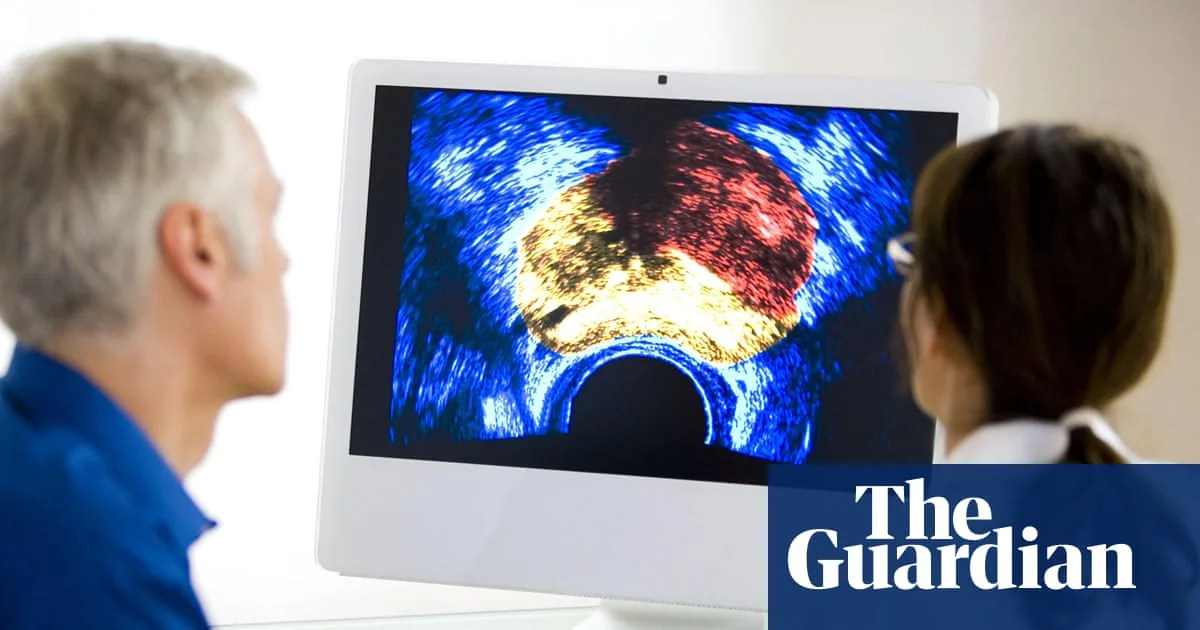
The Health Secretary has accepted a recommendation from the UK National Screening Committee (UKNSC) that will result in only a few thousand high-risk men with a gene mutation being screened for prostate cancer. The move is a blow to campaigners, but James Murray said the Government is “following the science”.

Limited Screening for BRCA2 Carriers

A final recommendation from the UKNSC, published last week, recommended against screening all men using the prostate specific antigen (PSA) blood test, saying it is “likely to cause more harm than good”. Instead, men with BRCA2 genetic mutations – which puts them at far higher risk of prostate cancer – will be tested every two years between the ages of 45 and 61 if they have a family history of breast, ovarian, pancreatic or prostate cancers.

Prostate cancer is more common, develops earlier and can be more aggressive in this group. Of 100 men with a BRCA2 variant, between 21 and 35 of them will develop prostate cancer before the age of 80. As a result, it is estimated that a “few thousand” men will be screened each year.

Wide Pickt banner — collaborative shopping lists app for Telegram, phone mockup with grocery list

Black Men Invited to Transform Trial

The UKNSC also recommended against screening for other at-risk groups, including black men, saying there is “ongoing uncertainty on whether screening would cause more good than harm”. However, eligible black men – who also face a higher risk of the disease – will be invited to take part in a major prostate cancer trial, it has been announced.

Mr Murray accepted the recommendations on Tuesday, but announced a £20 million investment into prostate cancer research and treatment. This includes funding to expand the Transform trial, which is exploring the best ways to screen for the disease, to ensure it includes more black men.

It is estimated that one in 10 patients invited to take part in stage one of the study were black. For stage two of the trial, black men living in the UK aged between 45 and 74 will be eligible, as long as they have not had a PSA test or MRI scan in the last five years.

Reactions and Criticism

Nick Jones, founder of Soho House and a prostate cancer survivor and campaigner, accused the Government of accepting a recommendation that “entrenches” injustices. He said: “The current system is unfair and behind the times. Instead of addressing that injustice, the Government has simply accepted a recommendation that entrenches it.”

Dr Ian Walker, director of policy at Cancer Research UK, said the decision will be “disappointing for some” but is in line with evidence. The programme is expected to be rolled out in 2027.

Deputy Prime Minister David Lammy said: “Tackling prostate cancer is personal for me. I’ve got two brothers living with the disease, and I’ve seen first-hand the toll it takes on individuals and their loved ones. Helping more black men take part in this research is about saving lives, closing deadly inequalities and making sure we understand what works best for those most at risk.”

Laura Kerby, chief executive at Prostate Cancer UK, described the funding announcement as a “truly historic moment”. “Black men are twice as likely to get the disease, and twice as likely to die from it. That’s why we’re delighted that the Government has more than doubled its support for Transform and is backing our Black Health Equity Strategy,” she said.

Part of the Government’s funding will also go towards expanding the provision of focal therapy – a minimally invasive prostate cancer treatment which Lord David Cameron had. The former prime minister said Mr Murray’s decision to accept the UKNSC’s recommendation on population-wide screening is “too timid, too slow, and lacking the bold ambition that we so desperately wanted to see”.

Pickt after-article banner — collaborative shopping lists app with family illustration




