UK Launches Landmark Prostate Cancer Screening Trial with First Participants
The Transform trial, a groundbreaking UK initiative aimed at revolutionising prostate cancer screening, has officially commenced with its first male participants undergoing testing. This collaborative effort, funded by Prostate Cancer UK and the National Institute for Health and Care Research (NIHR), could deliver significant findings and potentially alter current screening protocols within just two years.
Testing New Screening Methods
Experts involved in the study are focused on identifying the most effective combination of tests to inform future population-wide prostate cancer screening programmes for men. These tests include genetic analysis, rapid 10-minute MRI scans, and PSA blood tests. The trial's launch coincides with the UK National Screening Committee (UKNSC) releasing its final guidance on prostate cancer screening this week, which advises the government.
In a draft recommendation last year, the UKNSC opposed population-wide screening using the prostate specific antigen (PSA) test, stating it "is likely to cause more harm than good." The committee only recommended screening men with BRCA1 and BRCA2 genetic mutations—who are at far higher risk of prostate cancer—every two years between ages 45 and 61.

Debate Over PSA Testing
Many experts argue that the PSA test is unreliable because men with high PSA levels may not have cancer, while some with cancer show normal PSA results. A positive test can lead to unnecessary treatment for slow-growing or harmless tumours, exposing men to risks like incontinence and erectile dysfunction. However, others contend that current evidence supports wider testing and urge a reconsideration.
The UKNSC has agreed to review any new evidence from the Transform trial. Health Secretary Wes Streeting expressed surprise at the committee's move but emphasised that any final decision must be "based on science and evidence, not on politics."
First Participants and Community Impact
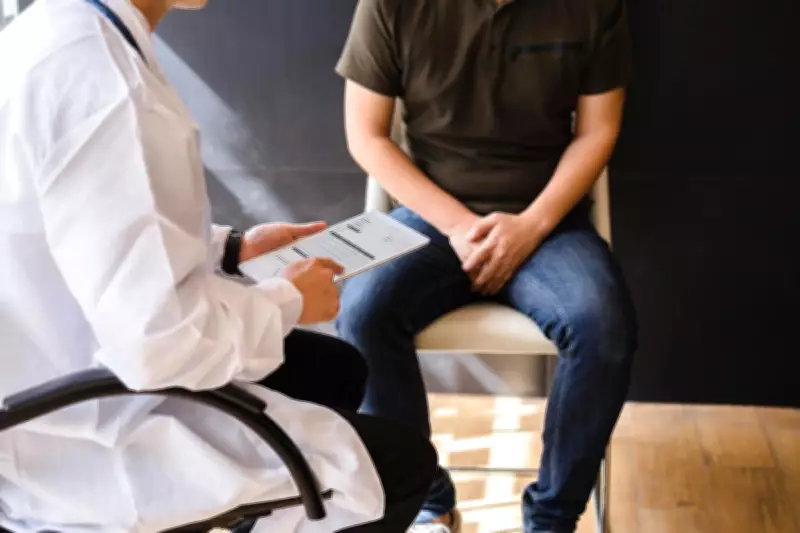
One of the first individuals tested in the Transform trial is Jaroslaw Galik, 55, from London. He and other men visited the InHealth community diagnostic centre in Ealing, west London, for a combination of PSA blood tests, fast MRI scans, and genetic spit tests to determine the safest and most effective detection methods.
Mr Galik shared, "I'd heard a bit about prostate cancer over the years and had always thought I should probably speak to my GP, but I never actually got round to doing anything about it. There isn't that routine screening programme, so it just wasn't something that felt urgent." He added that participating in the trial offers a straightforward way to check his risk while contributing to broader research, potentially helping establish a proper screening programme that could save thousands of lives.
Commitment to Future Screening
Laura Kerby, chief executive of Prostate Cancer UK, stated, "Men across the country are crying out for a screening programme and we're committed to building a future where every man gets that chance. That is why we have driven the development of Transform and funded the £42 million programme, alongside the NIHR." She emphasised that a safe and effective mass screening programme could save thousands of men's lives, starting with the current trial participants.
Mr Streeting remarked, "Transform is the most ambitious prostate cancer research programme in a generation and I'm proud the Government is backing it. The evidence it generates will be crucial in shaping how we screen for this disease for decades to come."
Addressing High-Risk Groups
The UKNSC has not recommended specific prostate cancer screening for black men, who face double the risk of the disease, due to a current lack of data and evidence for this group. The committee also does not recommend targeted screening for men with a family history of prostate cancer, another high-risk category.
With the Transform trial, experts aim to gather more data on black men, hoping that one in ten invited participants will be from this demographic. Initially, the trial will test new techniques against current NHS methods, with the next stage involving testing in a group of up to 300,000 men.

Professor Lucy Chappell, chief scientific adviser at the Department of Health and CEO of the NIHR, noted, "Welcoming the first men to this trial is a huge moment. Transform aims to tackle one of the biggest killers as part of the shift from sickness to prevention." She highlighted the trial's focus on men at highest risk, particularly black men, and the collaboration with black community leaders to ensure meaningful participation in research.