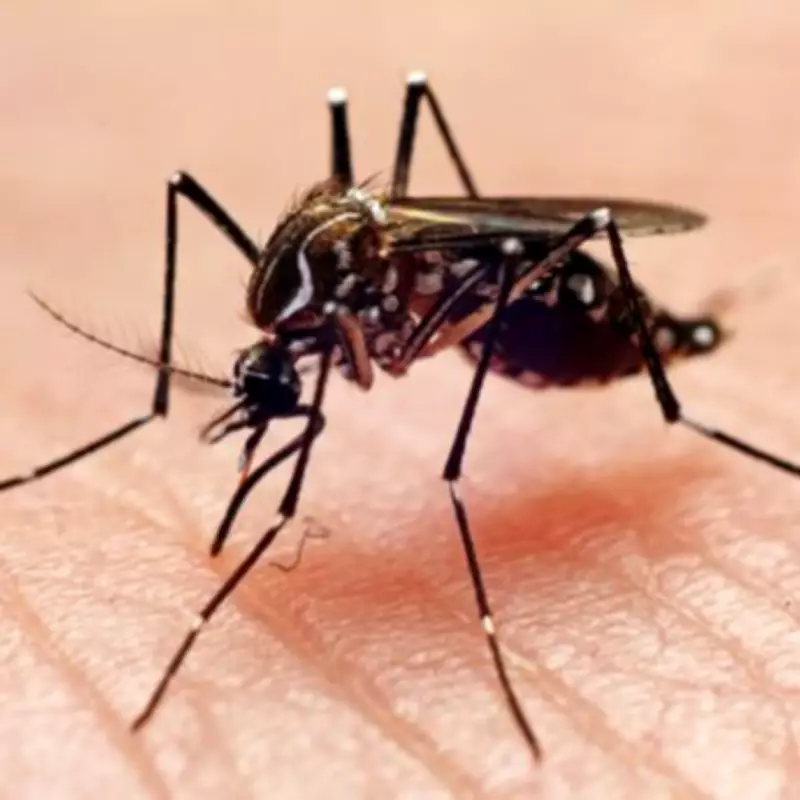
Easter Holidaymakers Urged to Guard Against Mosquito Bites Amid Chikungunya Surge
The UK Health Security Agency has issued a stark warning to Easter holidaymakers following a significant increase in cases of the tropical chikungunya virus detected across Britain. Official data reveals that reported instances of this mosquito-borne illness soared by 43% last year, reaching the highest levels recorded in the United Kingdom since 2014.
Understanding the Chikungunya Threat
Chikungunya virus is transmitted to humans through bites from infected Aedes mosquitoes, specifically the Aedes aegypti and Aedes albopictus species. The infection typically manifests with sudden onset of high fever and severe, often debilitating joint pain that can persist for several months. In rare circumstances, the disease can prove fatal.
Dr Philip Veal, a consultant in public health at the UKHSA, emphasized the seriousness of the situation: "For some people chikungunya can be a prolonged and nasty disease. We continue to see cases in travellers returning to the UK, particularly from parts of Asia and the Indian Ocean region."

Beyond fever and joint pain, symptoms may include headaches, sensitivity to light, and distinctive skin rashes. While most people experience improvement within weeks, joint discomfort can linger for months or longer in some individuals.
Latest Statistics and Travel Patterns
The newly published UKHSA Travel-associated Infections Report indicates that 160 chikungunya cases were confirmed in 2025, marking a substantial increase from 112 cases documented the previous year. The majority of these infections are linked to recent holidays in India, Sri Lanka, and Bangladesh.
Health officials note that infections are predominantly acquired abroad between April and September, making Easter and spring travel periods particularly relevant for precautionary measures. Separate data reveals that imported malaria cases, while showing a slight decrease to 1,629 diagnoses in 2025 from 1,812 in 2024, remain concerningly high.
Protective Measures and Vaccination Options
Dr Dipti Patel, director of the National Travel Health Network and Centre, outlined essential precautions: "If you're travelling over Easter or spring, it's important that you prepare before you travel. Simple steps such as using a DEET-based insect repellent, covering up your skin, and sleeping under insecticide-treated bed nets can greatly reduce the risk."
Notably, two chikungunya vaccines have recently received approval for use in the United Kingdom following healthcare professional assessment. These vaccines are available privately through specialized travel clinics for those visiting high-risk destinations.
Malaria, while potentially fatal, remains almost entirely preventable when appropriate antimalarial medications are taken correctly alongside mosquito avoidance strategies.
Current UK Transmission Risk Assessment
Although occasional Aedes mosquitoes have been detected in Britain after arriving on international freight transport, environmental conditions are not conducive to establishing breeding populations. Consequently, health authorities confirm there is currently no risk of onward chikungunya transmission within the United Kingdom itself.
Travellers are strongly advised to consult their general practitioner, pharmacist, or travel clinic between four and six weeks before departure for personalized health recommendations. Checking the Travel Health Pro website for destination-specific guidance is also recommended.