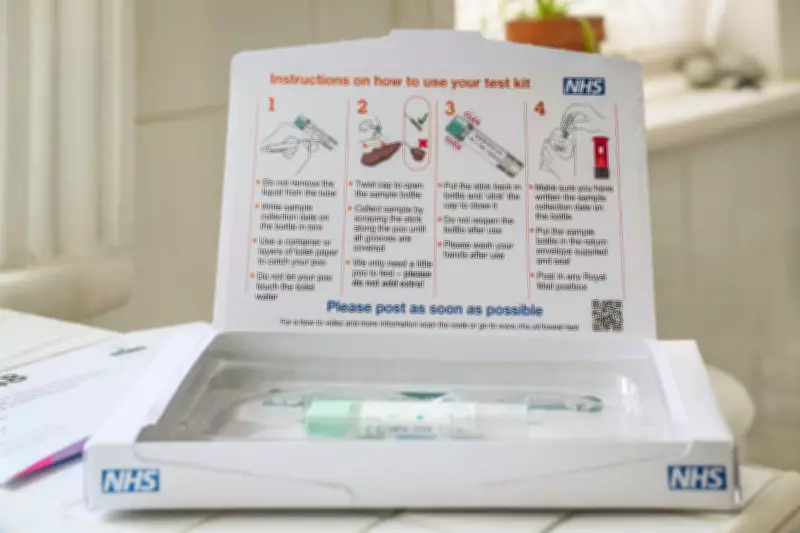
Almost one third of eligible people in England are failing to complete their vital bowel cancer screening tests, according to alarming new data from Bowel Cancer UK. The statistics reveal that specifically 29% of individuals who qualify for the screening programme do not participate, leaving them at potentially higher risk of late-stage diagnosis.
National Screening Uptake Figures
The national average uptake for the faecal immunochemical test, commonly known as the Fit test, currently stands at 71% across England. This crucial screening tool is automatically sent to all individuals aged between 50 and 74 years old as part of the NHS's ongoing efforts to detect bowel cancer at its earliest and most treatable stages.
Significant Regional Disparities Emerge
Detailed analysis of the data reveals substantial geographical variations in screening participation rates across different NHS integrated care boards. NHS Devon ICB demonstrates the highest screening uptake at 76%, representing a relatively strong engagement with the programme. In stark contrast, NHS North West London ICB records the lowest participation rate at just 56%, indicating that nearly half of eligible individuals in that region are not completing their tests.

These regional differences highlight potential inequalities in health awareness, access to information, or systemic barriers that may be preventing consistent screening participation across the country.
Importance of Early Detection
Bowel Cancer UK has emphasised the critical importance of screening participation, noting that while progress has been made in recent years, significant room for improvement remains. Early detection through regular screening dramatically increases survival chances, with statistics showing that over nine in ten people survive bowel cancer when it is diagnosed at the earliest possible stage.
The faecal immunochemical test represents a non-invasive method that can detect hidden blood in stool samples, which may indicate the presence of polyps or bowel cancer long before symptoms manifest. This allows for earlier intervention and treatment, potentially saving countless lives annually.
Call for Increased Participation
Health advocates are urging all eligible individuals to complete and return their screening kits promptly. The simplicity of the test—which can be completed at home—makes it accessible to most people, yet psychological barriers, lack of awareness, or logistical challenges may be contributing to the concerning non-participation rates.
With bowel cancer remaining one of the most common cancers in the United Kingdom, affecting tens of thousands of people each year, increasing screening uptake represents a crucial public health priority that could substantially reduce mortality rates and improve long-term health outcomes for the population.