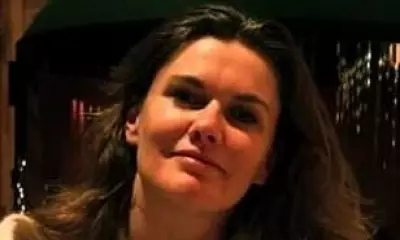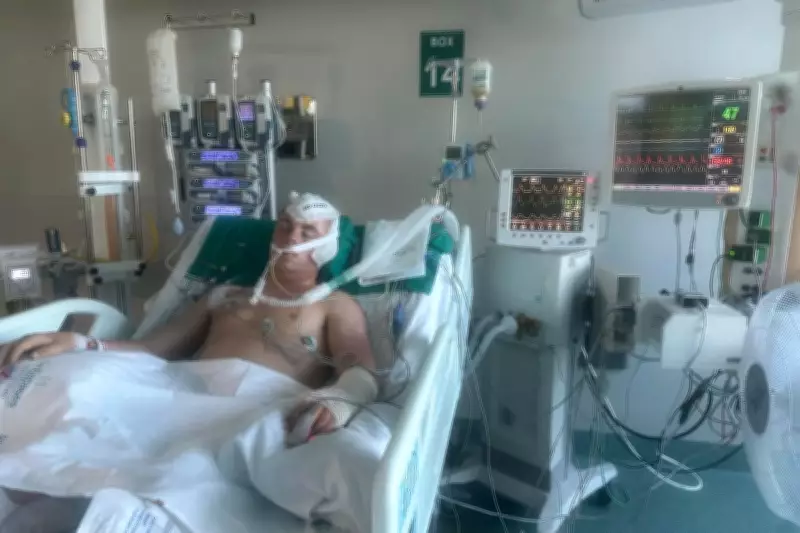
In a story of resilience and medical triumph, British teenager Daniel Hurst has made a remarkable recovery after sustaining a severe head injury during a football holiday in Ibiza last May. The incident, which occurred while he was enjoying a sports trip, led to emergency surgery and a medically induced coma, marking the beginning of a challenging journey toward healing.
Emergency Response and Initial Treatment
Following the accident, Mr Hurst received initial medical care in Majorca before being airlifted to Frimley Park Hospital in Surrey. This swift response was critical in stabilising his condition and setting the stage for his subsequent recovery. At Frimley Park, he spent four months on a stroke ward, where he faced significant hurdles, including an initial inability to walk or talk.
A Historic Patient on the Stroke Ward
Notably, Daniel Hurst became the youngest patient ever to be treated on Frimley's stroke ward, highlighting the unusual nature of his case and the specialised care required. His presence on the ward underscored the versatility of stroke units in managing traumatic brain injuries, even in younger individuals.

Path to Recovery and Current Activities
Through determination and extensive rehabilitation, Mr Hurst gradually regained his ability to walk and talk, defying initial prognoses. His progress has been nothing short of miraculous, with him now back to playing some football and returning to work. This turnaround serves as a powerful testament to the possibilities of recovery after serious brain trauma.
London Marathon Fundraising Initiative
In a move to give back and inspire others, Daniel Hurst plans to run the London Marathon to raise money for the charity associated with Frimley Park Hospital. His goal is not only to generate funds but also to raise awareness about the potential for recovery following traumatic brain injuries. He hopes his story will encourage others facing similar challenges to remain hopeful and persistent.
Safety Advice and Broader Implications
Reflecting on his experience, Mr Hurst advises holidaymakers to always stay with others for safety, emphasising the importance of companionship in preventing accidents. His journey highlights key aspects of brain injury recovery, including:
- The critical role of emergency medical interventions.
- The importance of specialised hospital wards like stroke units.
- The value of rehabilitation and personal determination in healing.
- The need for increased public awareness about brain injury outcomes.
This case sheds light on the broader issues of sports safety abroad and the advancements in neurorehabilitation, offering hope to patients and families affected by similar incidents.