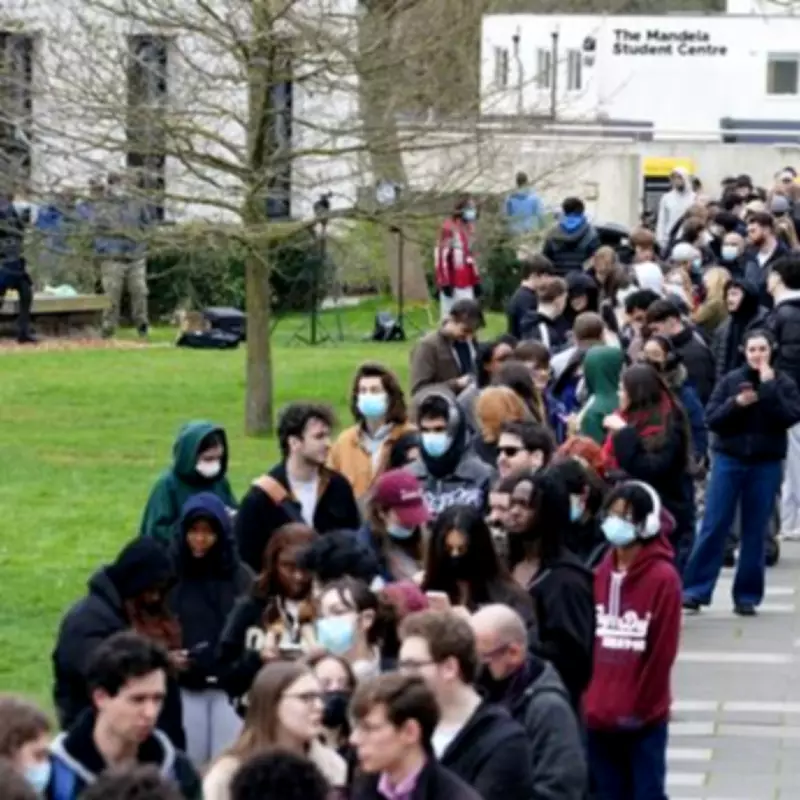
Health Secretary Wes Streeting Launches Targeted Meningitis Response in Kent
Health Secretary Wes Streeting has initiated a targeted vaccination campaign for individuals connected to a deadly meningitis outbreak in Kent. The outbreak, described as "unprecedented" by Streeting, has resulted in two student fatalities and left at least eleven others seriously ill. In response, Streeting confirmed he will ask health officials to examine whether older teenagers across the country should receive a catch-up meningitis vaccine.
Unprecedented Outbreak Linked to Canterbury Nightclub
Addressing the House of Commons, Streeting provided a detailed update on the rapidly developing situation. As of 9:30 AM on March 17, 2026, the UK Health Security Agency (UKHSA) has confirmed four cases of group B meningococcal disease, with an additional eleven cases under investigation. The majority of cases are linked to the Club Chemistry nightclub in Canterbury over the weekend of March 5-7.
Hundreds of people who visited the venue during that period have been urged to come forward for preventative antibiotic treatment as a precautionary measure. Streeting acknowledged that younger school-age children may have been present at the nightclub, stating, "There would have been other sixth formers over the age of 18, and potentially some who maybe should not have been in the nightclub."

Review of National Vaccine Eligibility for Older Teens
A key development from the outbreak is Streeting's announcement that he will ask the Joint Committee on Vaccination and Immunisation (JCVI) to re-examine eligibility for meningitis vaccines. This review could lead to unvaccinated older teenagers receiving the jab on the NHS nationwide.
"On the question of wider eligibility, we obviously follow the expert independent advice of the JCVI," Streeting stated. "In light of this latest outbreak, I will be asking them to re-examine eligibility for meningitis vaccines. I will do so without prejudicing their decision because we have to follow the clinical advice on this."
The urgency stems from the confirmation that some cases involve meningitis B. Young people aged over ten are not protected against this strain, as the childhood vaccination for meningitis B was not introduced until 2015.
Timeline of Response and Public Health Measures
Streeting outlined the government's response timeline, noting that UKHSA was first notified of a case on March 13, triggering immediate contact tracing efforts. The agency contacted the University of Kent on Saturday, March 14, after French officials alerted them to a case in France involving someone who had attended the university.
Later that same day, hospitals reported a "number of severely unwell young adults were presenting with symptoms consistent with meningococcal disease." Streeting confirmed that all traced contacts were offered precautionary antibiotics, with 700 doses administered so far.
The Health Secretary emphasized that transmission requires "close and prolonged contact," such as kissing or sharing drinks or vapes. "It is important people understand how this disease is spread, because I think people might find that reassuring," he added, distinguishing it from more easily transmitted respiratory illnesses.
Local Impact and Calls for Comprehensive Risk Assessment
The outbreak has directly impacted local schools, with two meningitis cases identified in Year 13 students. UKHSA has sent letters to parents of pupils in the affected area. One of the fatalities was Juliette, a Year 13 pupil at Queen Elizabeth Grammar School in Faversham.
Speaking in the Commons, Helen Whately MP highlighted the tragedy, stating, "Juliet was a schoolgirl in year 13... She died of meningitis this weekend. Her headteacher said of her, she was 'incredibly kind, thoughtful and intelligent and treasured.'"
Whately urged the government to fully consider the risk to schoolchildren as well as university students, noting that "Sixth formers and students mix in the same crowded venues in Canterbury." Streeting responded by stressing the importance of identifying all potentially affected young people to ensure they receive accurate health information and appropriate care.

All current cases are being linked to the initial nightclub spreader event, with ongoing investigations to manage the outbreak and prevent further transmission.