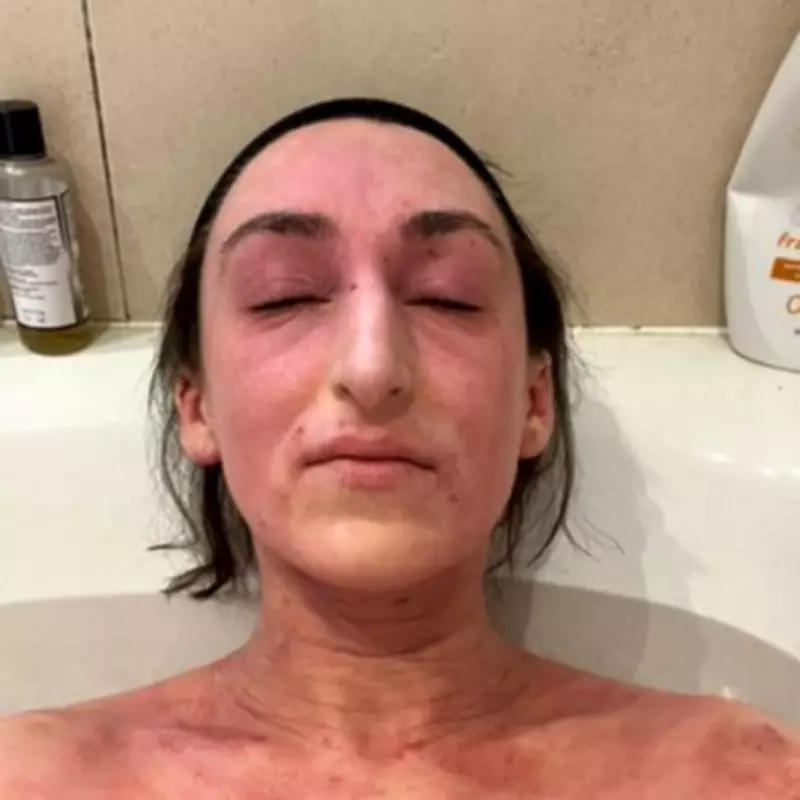
Woman's 28-Year Steroid Cream Use Leads to Severe Skin Condition
Rosemary Hook, a 29-year-old technician from London, has revealed that using steroid creams for eczema since she was three months old left her with severe skin problems, including what she describes as "alien-looking" and "elephant-like" skin. She believes this condition, known as topical steroid withdrawal (TSW), was triggered by long-term use of the medication, which she claims made her skin dependent on it.
Decades of Medication and Deteriorating Health
Rosemary was first prescribed steroid creams as an infant for full-body eczema, with prescriptions increasing in strength over the years. She states that the medication's information leaflets advise limiting use to one week at a time, but she used it for much longer. In 2016, after moving to London, her skin experienced a dramatic flare-up, becoming red, inflamed, and painful across her entire body. This led to symptoms such as hair loss, deep cracks in her skin, and mobility issues that left her bedbound on multiple occasions.
Over the past decade, Rosemary endured constant flaking, shedding, and oozing of her skin, which she says made her unrecognizable and caused severe anxiety and depression. She claims her GP dismissed her concerns about steroid creams, instead prescribing immunosuppressants, including a type of chemotherapy drug, to manage her symptoms. Despite consulting numerous dermatologists in London, she felt her worries were ignored, with some even laughing at her suggestions that the creams were harmful.

Discovery of Topical Steroid Withdrawal and Social Media Support
Desperate for answers, Rosemary turned to social media, where she discovered online communities discussing topical steroid withdrawal. She found thousands of people sharing similar experiences, which convinced her that TSW was the root cause of her symptoms. However, she notes that the condition is under-researched and not widely recognized by the NHS, making it difficult to get a formal diagnosis.
Rosemary described attempting to stop using the steroid creams, but her skin would instantly deteriorate, leading her to believe it was trapped in a vicious cycle of dependency. She said, "The rebound effects, of my skin burning and being so red, made me give in and use them again, so it was like a vicious cycle until they stopped working entirely." This left her in what she calls "complete survival mode," isolating herself due to her appearance and physical limitations.
Life-Changing Treatment in Thailand and Financial Struggles
In 2025, Rosemary's skin worsened further, becoming bright red, swollen, and prone to cracking and weeping. Through her research, she found a clinic in Thailand offering Cold Atmospheric Plasma (CAP) therapy, a treatment that uses ionised gas to promote skin healing and reduce inflammation. She began weekly sessions in December 2025, costing £200 each, and describes the results as "amazing" and "life-changing," allowing her to recognize herself in the mirror again.
However, the treatment comes with significant financial burdens. Rosemary estimates she will need up to five years of ongoing therapy, eventually tapering to a few sessions annually. Her employer has granted medical leave, but she has launched a fundraiser with a target of £6,000 to cover future costs. She hopes this will alleviate the worry and help her regain her independence, saying, "It would just take all of the worry away, if I met the target, and would mean I'd get my life back."
NHS Guidelines and Broader Implications
According to the NHS website, individuals who have used topical corticosteroids for extended periods, typically more than 12 months in adults, should consult their doctor to review treatment and consider gradual cessation to avoid withdrawal reactions, which can sometimes be severe. Rosemary's case highlights the potential risks of long-term steroid cream use and the challenges faced by those with conditions like TSW that lack formal recognition in healthcare systems.

Rosemary's journey underscores the importance of patient advocacy and the role of social media in raising awareness about under-researched medical issues. As she continues her treatment, she remains hopeful for a full recovery and aims to support others in similar situations through her online presence and fundraising efforts.