Spring Allergy Season Arrives: Expert Strategies for Relief and Management
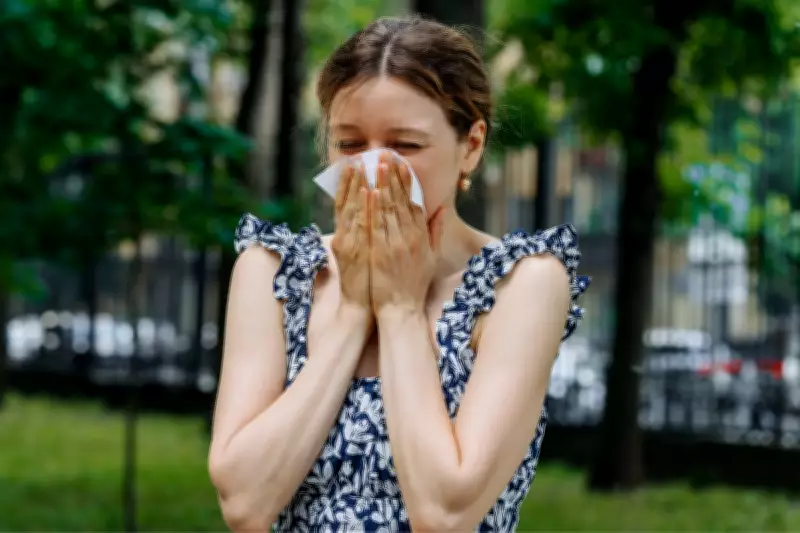
For tens of millions of Americans, the arrival of spring allergy season marks a period of significant discomfort, characterized by relentless runny noses, itchy eyes, persistent coughing, and frequent sneezing. These symptoms are primarily triggered by trees, grasses, and various pollens that proliferate during this time. The severity of allergic reactions can vary dramatically based on an individual's geographic location, specific allergen sensitivities, and daily lifestyle choices. Increasingly, experts are identifying climate change as a critical factor, contributing to longer and more intense allergy seasons each year. However, there is encouraging news: treatments for seasonal allergies have become notably more effective over the past decade. With these medical advancements, health professionals are now offering practical, actionable advice to help manage symptoms, potentially enabling sufferers to reclaim their enjoyment of the outdoors.
New Cities Top the List of 'Allergy Capitals'
The Asthma and Allergy Foundation of America releases an annual ranking of the most challenging cities for allergy sufferers, based on comprehensive data including over-the-counter medicine usage, local pollen counts, and the availability of allergy specialists. This year, the top five cities identified are: Boise, Idaho; San Diego, California; Tulsa, Oklahoma; Provo, Utah; and Rochester, New York. These locations present particularly difficult environments for those with seasonal allergies due to high pollen concentrations and other environmental factors.
Pollen: Essential for Plant Reproduction, Troublesome for Humans
Pollen is the fine, powdery substance produced by seed-producing plants and trees as part of their natural reproductive process. During the early spring, tree pollen emerges as the primary culprit for allergy symptoms. As the season progresses, grasses begin to pollinate, followed by various weeds in the late summer and early autumn months. According to the Asthma and Allergy Foundation of America, some of the most common tree pollens that trigger allergic reactions include birch, cedar, cottonwood, maple, elm, oak, and walnut. Among grasses, species such as Bermuda, Johnson, rye, and Kentucky bluegrass are frequently responsible for causing symptoms.

How to Track Pollen Levels Effectively
Utilizing pollen trackers can be an invaluable tool for planning outdoor activities. The American Academy of Allergy Asthma and Immunology monitors pollen levels through an extensive network of counting stations across the United States. Real-time pollen counts are readily accessible via their official website and can also be received through email subscriptions, helping individuals make informed decisions about when to venture outside.
The First Step: Avoiding Pollen Exposure
The best and most fundamental step in controlling allergies is minimizing exposure to pollen. Keep windows in your car and home securely closed, even during pleasant weather. When going outdoors, wearing long sleeves can prevent pollen from settling on your skin, thereby reducing the risk of allergic reactions, according to Dr. James Baker, an allergist at the University of Michigan. This practice also offers additional sun protection. Upon returning home, change your clothes immediately and shower daily to remove all pollen particles, including those trapped in your hair. If daily hair washing is not feasible, consider covering your hair with a hat or scarf when outside. Avoid bringing outdoor clothes into bed, as pollen can easily transfer to bedding. Experts also recommend rinsing your eyes and nose with saline solution to flush out any lingering pollen. Interestingly, the same masks that provided protection during the pandemic can also shield you from airborne allergens, though they do not address eye-related symptoms.

Effective Methods to Relieve Allergy Symptoms
Over-the-counter nasal sprays are among the most effective treatments for seasonal allergies, according to medical professionals. However, patients often use them incorrectly, which can irritate sensitive nasal tissues, noted Dr. Kathleen May, an allergist at Augusta University in Georgia. She advises angling the nozzle outward toward your ear rather than inserting it straight up the nose. Oral antihistamines like Claritin, Allegra, and Zyrtec are also helpful, though they may not provide relief as quickly as nasal sprays since they are absorbed through the digestive system. If allergy symptoms significantly impact your quality of life—such as causing sleep disturbances or impairing focus at work or school—it may be time to consult an allergist. There are specialized medications available that can help train your immune system not to overreact to allergens. It is important to note that some popular remedies, like consuming local honey to build tolerance, have been debunked by experts. Dr. Shyam Joshi, an allergist at Oregon Health and Science University, explains that the flowers bees typically pollinate do not produce the airborne pollen responsible for most allergy symptoms.
Is Allergy Season Undergoing Changes?
Winters are becoming milder and growing seasons are extending as the climate continues to change, creating more opportunities for pollen to remain suspended in the air. This results in longer and more severe allergy seasons overall. Last year was recorded as one of the most intense allergy seasons in recent history, particularly across the Southeastern United States, highlighting the growing challenge faced by allergy sufferers nationwide.