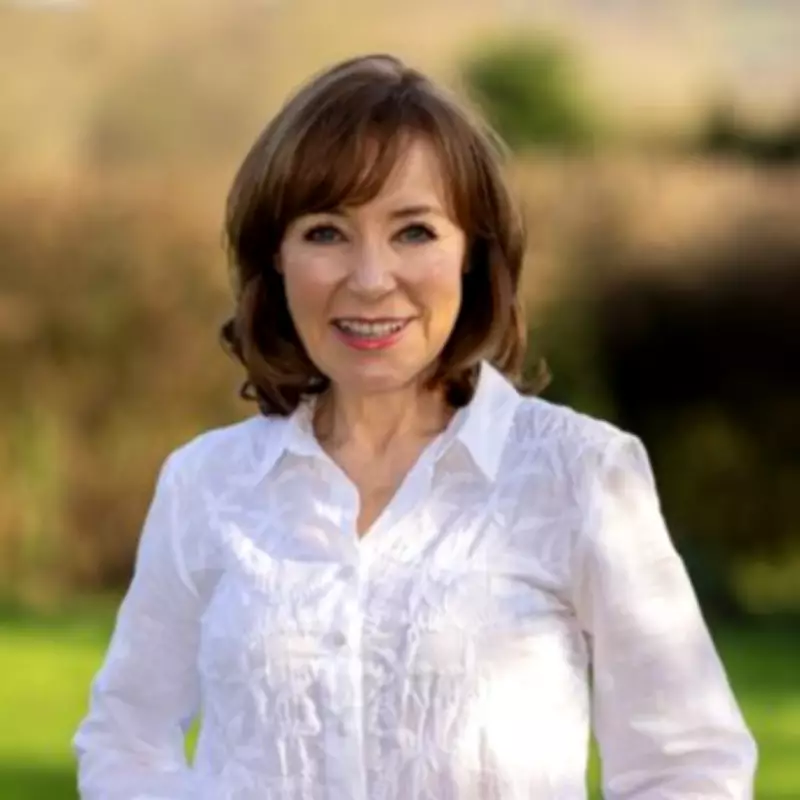
BBC Presenter Sian Williams' Lifelong Anxiety Struggle
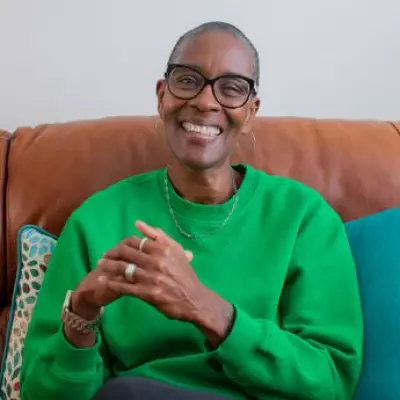
As the familiar face of BBC Breakfast and Channel 5 News, Sian Williams projected calm authority while delivering some of the nation's most difficult news stories. From the Hillsborough disaster in 1989 to Princess Diana's death in 1997 and the Kashmir earthquake in 2005, she appeared unflappable to viewers. However, behind the scenes, the 61-year-old broadcaster was battling crippling anxiety that she feared could derail her successful career.
"I was once so overwhelmed with anxiety that I backed into my programme manager's car and wrote it off," Williams reveals, highlighting the physical manifestations of her condition.
From Broadcasting to Psychology
Qualifying as a psychologist in 2021, Williams has now channeled her experiences into a new book, The Power of Anxiety, released today. She reflects on how anxiety affected her early career: "In the beginning of my career there were times when it was hard to think straight. Sometimes the weight of responsibility was all too much."

She describes first experiencing intense anxiety while covering the Hillsborough disaster and subsequently with every major news story. Reporting on the 2004 Kashmir earthquake brought particular pressure: "I was so aware of that responsibility I had to tell people what was going on. That weight… it was like holding a vase across the floor."
High-Pressure Broadcasting Moments
Williams cites several career-defining moments where anxiety peaked:
- Presenting BBC election coverage during the 2010 hung parliament, taking over from David Dimbleby
- Reporting on general election nights requiring instant knowledge of every constituency
- Covering the opening of the Diana Memorial Fountain in 2004, where she fainted live on air
Regarding the fountain incident, she explains: "My feed went down, so I couldn't see the pictures and I was meant to be commentating on them. Stress happens when the demands of what you are facing exceeds the resources you have to deal with it. At that moment, I just fell off the bar stool."
Childhood Roots and Career Doubts
Williams traces her anxiety back to childhood in Eastbourne, where she grew up with a journalist father and nurse mother in the 1970s. "There was not a lot of emotion expressed in the house," she recalls. "Being told you're too sensitive, or you need to grow a thicker skin, or you need to just toughen up - that was a narrative that I think a lot of people my age experienced."
Her confidence suffered further when a school career officer told her: "You won't be a journalist, you're not clever enough to go to university, and you should go to secretarial college."
Sensitivity as Superpower
Now presenting Radio 4's Life Changing and Classical Unwind on Radio 3 while working as a counselling psychologist in both NHS and private practice, Williams has completely reframed her relationship with anxiety. She helps clients manage stress, anxiety, depression, psychosis, and self-harm.
"People who are highly sensitive - about 30 per cent of the population - while they might experience negative things more negatively, and while they are more likely to experience anxiety, they have incredible skills," she explains. "They tend to be more intuitive, more creative, more empathic - because they are simply more open to the stuff the world throws at them."
Rather than developing a thicker skin as she was once advised, Williams now believes: "Sensitivity I think is the thing that helped me in journalism and certainly helps me as a psychologist. It can be your superpower - it has been mine."
Anxiety Toolkit: The CARE Method
Williams shares her practical approach to managing anxiety:

- C is curiosity: Be an interested observer when anxiety shows up
- A is acceptance: Know it's part of you and your sensitivity to the world
- R is relating: Develop a new relationship so it's no longer the enemy
- E is empathy: Allow for kindness - other people's, but your own too
She concludes: "It takes a long time to think that you don't have to be the label that is slapped on you - like a jam jar. I now know the key is to be absolutely authentic to who you are." Williams lives in Cranbrook, Kent with her husband, producer Paul Woolwich, and has five children between them.