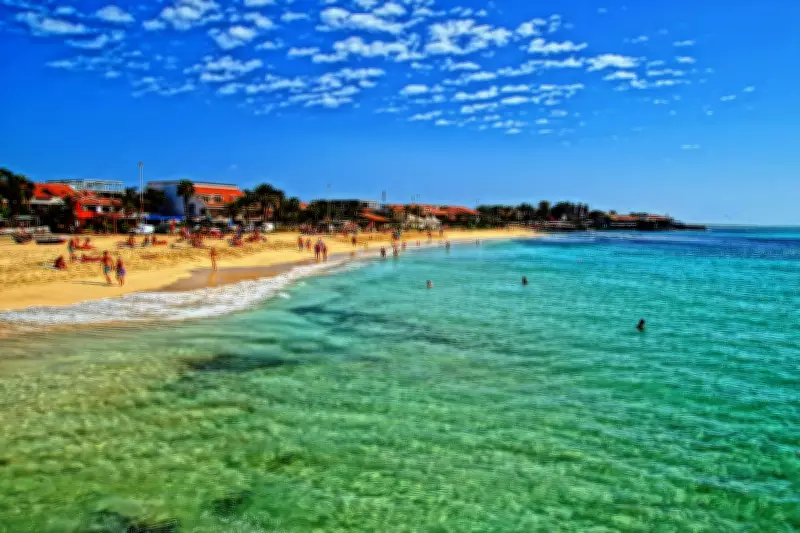
Shigella Concerns in Cape Verde: Rising Cases and Expert Travel Advice
Recent reports of shigella outbreaks in Cape Verde, the islands off the coast of West Africa, have sparked alarm among holidaymakers. With cases rising, causing severe diarrhoea, fever, and stomach cramps, many are questioning how worried they need to be. This article provides the facts, figures, and expert advice to help travellers make informed decisions.
Understanding the Shigella Situation
Shigella is a common cause of bacterial diarrhoea worldwide. According to a 2025 report by StatPearls, the estimated annual global incidence of shigellosis is 188 million cases, with approximately 164,000 resulting in death. In Cape Verde, European health authorities have noted an increase in cases, leading the UK Foreign Office to advise those with underlying health conditions to consult a healthcare professional before travelling.
The European Centre for Disease Prevention and Control (ECDC) conducted a rapid risk assessment in 2022 during what it described as an outbreak. It reported 95 travel-related cases in the UK between November 2021 and December 2022, with 258 cases linked to Cape Verde across multiple countries. Updated data from the UK Health Security Agency (UKHSA) shows 158 cases since October 2025, with 112 linked to travel to Cape Verde, primarily in Santa Maria and Boa Vista areas.

Health Authorities' Perspectives
The ECDC has stated that infections are primarily caused by a specific S. sonnei strain, suggesting a common source or persistent transmission route. Shigella spreads through contact with contaminated faeces, either directly or via food, water, or surfaces. At-risk groups include young children, travellers, men who have sex with men, and homeless individuals. In a March update, the ECDC rated the likelihood of travellers contracting shigella in Cape Verde as moderate, as the source remains unidentified.
However, the Cape Verde Institute of Public Health disputes these claims, stating that surveillance has not confirmed an outbreak. They note occasional increases in diarrhoea cases in hotels, similar to global trends, and are conducting new investigations with reliable tests. Diarrhoea is a notifiable disease in Cape Verde, and no outbreaks have been officially detected.
Cape Verde's Tourism Response
Cape Verde's tourism minister, Dr José Luís Sá Nogueira, emphasises the islands' safety, with 1.2 million tourists in 2025, including over 400,000 Brits. He asserts there is no evidence that travel to Cape Verde is riskier than to other hot destinations and highlights that no deaths have been caused by shigella. The minister addressed reports of four British tourist deaths, clarifying that none tested positive for shigella, attributing them to other causes or underlying health conditions.
Criticism of healthcare in Cape Verde has emerged, with families of deceased tourists expressing concerns. Dr Sá Nogueira defends the healthcare system, noting a life expectancy of 76 years and rankings above other popular destinations like Morocco and Egypt. He urges visitors to continue enjoying the islands' beaches, resorts, and cultural attractions, advising sensible precautions.
Expert Travel Advice
Dr Richard Dawood, a travel medical specialist, recommends prevention measures such as using hand sanitiser, wipes, and choosing freshly cooked foods. He notes that about two-fifths of travellers to hot countries experience diarrhoea, making it a common but disruptive issue. With travel being expensive and leisure time precious, taking proactive steps is crucial for a safe and enjoyable holiday.
In summary, while shigella cases are rising in Cape Verde, authorities offer mixed perspectives. Travellers should stay informed, consult health professionals if needed, and follow hygiene practices to mitigate risks.