Sepsis: The Silent Killer That Outpaces Major Cancers
Sepsis represents one of the most formidable medical emergencies facing the United Kingdom today, with an estimated 245,000 life-threatening cases occurring every single year. Shockingly, this condition claims more lives annually than breast, bowel and prostate cancer combined, yet it remains notoriously difficult to diagnose in its crucial early stages. The challenge stems from sepsis frequently mimicking common illnesses such as influenza, food poisoning or chest infections, leading to dangerous delays in treatment.
Why Every Hour Counts in Sepsis Treatment
Medical experts issue a stark warning: for every hour that antibiotic treatment is delayed, the risk of death from sepsis increases by approximately eight percent. This rapid progression underscores why sepsis demands immediate medical intervention. If not identified and treated promptly, the condition can escalate to septic shock, resulting in multiple organ failure and ultimately death. Several prominent figures have helped elevate public awareness of this deadly illness, including former football manager Harry Redknapp, who became a vocal supporter of UK Sepsis Trust campaigns after his wife Sandra survived a severe bout in 2018.
Understanding the Origins and Risk Factors
Sepsis always begins with an infection, most commonly stemming from chest infections, urinary tract infections or skin infections. Despite medical advances, doctors still do not fully comprehend why some individuals develop sepsis while others recover normally from similar infections. While sepsis can affect anyone regardless of age or health status, certain groups face elevated risks including babies, elderly individuals, and those with compromised immune systems. Additional high-risk categories include people who have recently undergone surgery, have urinary catheters, spent extended periods in hospital, are undergoing chemotherapy, or are pregnant.

The Critical SEPSIS Acronym: Recognizing Symptoms
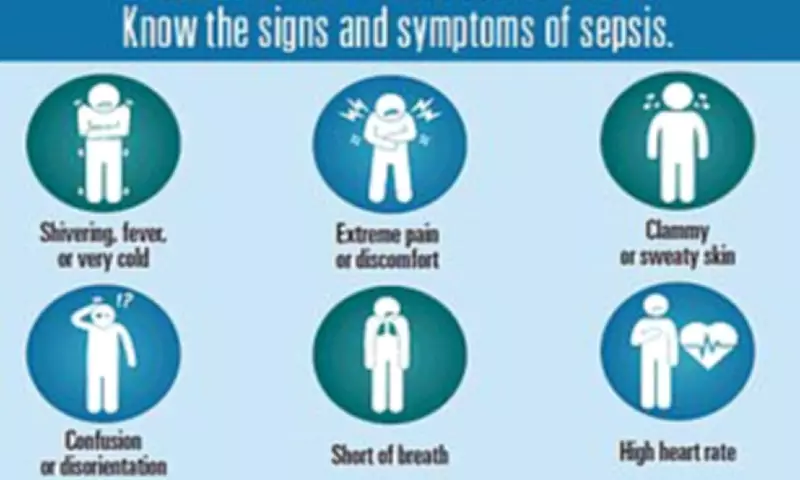
Since no single diagnostic test exists for sepsis, both the NHS and UK Sepsis Trust recommend looking for a combination of symptoms, conveniently summarized by the acronym SEPSIS:
Slurred Speech or Confusion
Slurred speech or sudden, acute confusion represents a critical symptom of sepsis, resulting from sepsis-associated encephalopathy. This can manifest as reduced consciousness ranging from confusion and delirium to complete coma. A rapid alteration in mental state, such as disorientation or incoherent speech, serves as a primary indicator of potential sepsis, often accompanied by cognitive impairment and coordination difficulties.
Extreme Shivering or Muscle Pain
Extreme shivering, fever and severe muscle pain constitute early warning signs of sepsis that frequently resemble severe influenza symptoms. These manifestations should not be dismissed as ordinary illness when occurring in combination with other sepsis indicators.
Passing No Urine in a Day
Failing to pass urine over a 24-hour period represents a critical red-flag symptom indicating potential kidney failure or severe shock. This suggests the body is struggling profoundly with infection and requires immediate emergency medical attention.
Severe Breathlessness
Difficulty breathing, breathlessness or unusually rapid breathing could signal sepsis. Specific breathing issues include rapid, shallow breaths, extreme breathlessness, grunting noises or pauses in breathing. These symptoms occur because the body struggles to deliver adequate oxygen to organs as the immune system overreacts to infection.
Feeling Like You're Going to Die
A profound, overwhelming sensation of impending doom—often described as a certainty that death is imminent—represents a recognized, critical symptom of sepsis that should never be ignored.
Skin That's Mottled or Discoloured
Mottled, blotchy, pale or bluish skin indicates failing blood circulation and inadequate oxygen reaching the skin. This may appear as patchy, marble-like patterns or lace-like arrangements of red, blue or purple spots, frequently visible on legs, hands and feet. On brown or black skin, mottling may be more apparent on palms or soles. Sepsis can also cause a non-blanching rash similar to meningitis that doesn't fade when pressed with a glass.

Special Considerations for Children and Treatment Protocols
Recognizing Sepsis in Young Children
Symptoms can be particularly challenging to identify in babies and young children. According to NHS guidelines, warning signs in children under five include:
- Repeated vomiting
- Refusal to feed
- No urination for 12 hours
- Very fast breathing
- Seizures or convulsions
- Mottled, bluish or pale skin
- A rash that doesn't fade when pressed
- Extreme lethargy or difficulty waking
- Unusually cold skin to the touch
Emergency Treatment and Recovery
Sepsis requires immediate hospital treatment as the condition can deteriorate rapidly. Patients should ideally receive intravenous antibiotics within one hour of diagnosis, though guidelines permit up to six hours in certain circumstances. Standard treatment includes intravenous antibiotics, IV fluids and supplemental oxygen when necessary. While some patients require weeks of hospitalization, particularly if organs have been affected, many individuals make complete recoveries with prompt, appropriate treatment.
Anyone experiencing possible sepsis symptoms should seek urgent medical assistance and specifically ask healthcare professionals: 'Could this be sepsis?' This simple question could potentially save lives by ensuring timely diagnosis and intervention for this devastating condition.