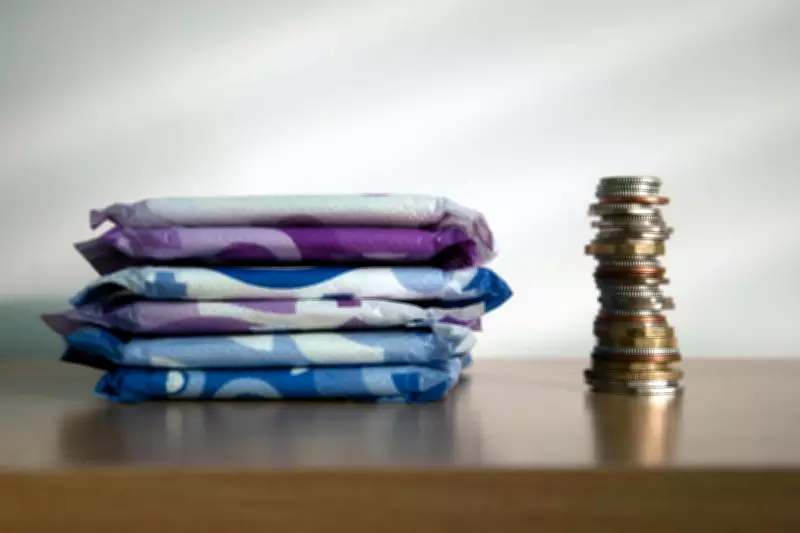
More than one in ten women across the United Kingdom have faced significant difficulties affording essential menstrual products during the past year, according to a disturbing new survey. The research exposes how period poverty remains a deeply entrenched issue in British society, forcing many to adopt dangerous health practices that could lead to severe medical complications.
Alarming Statistics Reveal Widespread Struggle
The comprehensive survey conducted by ActionAid UK, which polled 2,132 UK adults through YouGov in January, found that 11 percent of women and people who menstruate struggled to purchase period products either for themselves or a dependent. This equates to millions facing monthly hardship over basic biological needs.
Dangerous Alternatives and Health Consequences
Among those experiencing financial constraints, more than a third (36 percent) admitted wearing single-use pads or tampons for extended periods beyond recommended safety limits. This practice dramatically increases the risk of developing serious bacterial infections, including life-threatening Toxic Shock Syndrome (TSS).

Even more concerning, 27 percent reported using tissues or cotton wool as makeshift alternatives, while 6 percent resorted to paper or newspaper – materials completely unsuitable for menstrual hygiene. These improvised solutions not only compromise dignity but create significant infection risks.
Exclusion from Public Life
The survey revealed that almost a quarter (22 percent) of those unable to afford proper period products stayed home as a result, effectively excluding them from education, work, and social participation. This demonstrates how period poverty functions as a barrier to full societal engagement, particularly affecting vulnerable groups.
Cost of Living Crisis Exacerbates Problem
With food and energy prices remaining substantially elevated compared to pre-pandemic levels, menstrual products have become unaffordable luxuries for many. The data shows that 64 percent of those struggling with period poverty had to prioritize food purchases, while 40 percent needed to allocate funds toward gas or electricity bills instead.
ActionAid UK has issued a stark warning that the issue "risks becoming even further entrenched" amid fears of a renewed cost of living crisis potentially sparked by ongoing international conflicts. The charity emphasizes that without intervention, the situation will likely deteriorate further.
Global Perspective on Menstrual Equity
Ruby Raut, founder and CEO of period pants company WUKA, which partners with ActionAid, shared her personal experience growing up in Nepal: "Imagine being 12, getting your first period... and instead of being comforted, you're told you have to leave your home because you're 'unclean'. That was my reality."
She emphasized that period poverty extends beyond product access to encompass shame, inadequate education, and lack of safe facilities. Globally, data indicates more than 400 million children lack decent toilets at school, compounding menstrual management challenges.
Call for Recognition of Basic Rights
"In one of the richest countries in the world, people are still going without basic period products," Raut stated. "That is not just shocking, it's a failure. Period poverty is holding people back from school, from sport, from living their everyday lives. It puts health at risk and limits potential, all because of something as basic as a period."
The campaigner stressed that access to menstrual care should be recognized as a fundamental right rather than a luxury, calling for systemic changes to ensure everyone can manage their period with dignity and safety.
The Independent has approached the UK government for comment on these findings and the broader issue of period poverty in Britain. The survey results highlight an urgent need for policy interventions addressing both the immediate product affordability crisis and the deeper structural inequalities surrounding menstrual health.