New Study Finds Parenthood Doesn't Boost Happiness, But Reality Is More Complex
Parenthood Doesn't Boost Happiness, Study Finds, But Reality Is Complex

Major Study Finds No Happiness Boost from Parenthood, But Parents Disagree

A groundbreaking new study published in the journal Evolutionary Psychology has concluded that having children does not lead to a measurable increase in happiness or emotional wellbeing. The research, led by Menelaos Apostolou of the University of Nicosia, involved over 5,000 participants across ten countries, including Britain, and examined both hedonic wellbeing (daily emotions like joy and sadness) and eudaimonic wellbeing (feelings of purpose and meaning).

With the sole exception of mothers in Greece, who reported a greater sense of purpose, the study found no statistically significant difference between parents and non-parents. This suggests that becoming a parent leaves your emotional state largely unchanged, a finding that challenges common societal assumptions about family life.

The Flaw in Comparing Parallel Lives

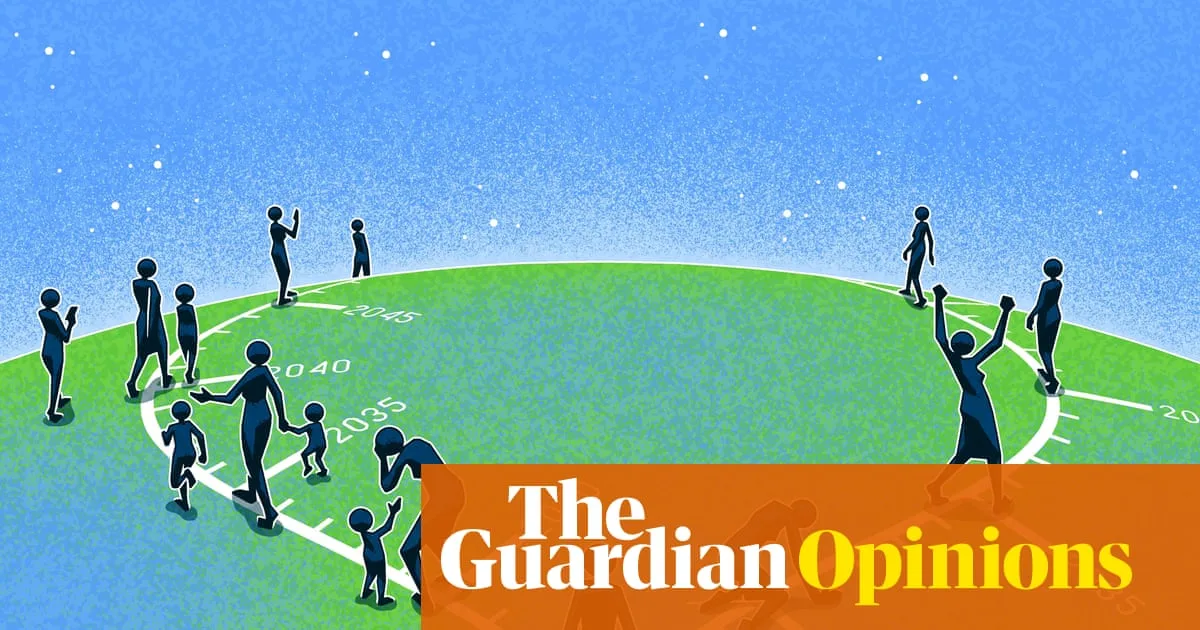
However, many parents argue that the study's methodology fails to capture the true complexity of parenthood. The only way to genuinely measure the impact would be to compare two parallel timelines: one where an individual has children and another where they do not. Even then, such a comparison might miss the essence of the experience.

Wide Pickt banner — collaborative shopping lists app for Telegram, phone mockup with grocery list

As one parent reflects, asking if children make you happy is akin to asking if loving people makes you happy. The answer is sometimes yes, but love also brings profound pain and vulnerability. Parenthood expands the circle of people you love intensely, whose sorrows become your own, and whose potential loss could devastate you.

The Intensity of Parental Emotions

The emotional landscape of parenting is not one of sustained happiness but of intense, fleeting moments. The highs—such as a child's laughter or a shared discovery—can reach euphoric levels, while the lows involve deep worry and a persistent sense of vulnerability. This "vertigo" of parenthood, as some describe it, is a complex mix of joy and fear that defies simple measurement.

Discussions on platforms like Woman's Hour highlight additional layers: the pressure on women to engage in intensive mothering, the burden placed on children when parents rely on them for happiness, and the sheer fun that children can bring, which is often overlooked in serious debates.

The Reality of Care Work and Societal Support

Society often romanticizes care work as wholly fulfilling, especially for women, but the reality is more nuanced. Even when you love the recipient deeply, care work is hard, demanding labor that can last a lifetime. It's acceptable to miss personal freedoms, such as reading a book or taking a solitary walk, without diminishing one's love for their child.

The study's findings might differ significantly if participants had access to robust support systems. Historically, humans raised children within a "village" community, and the greater reported wellbeing of Greek mothers may stem from stronger familial and social networks that provide relief during exhausting or vulnerable moments.

Ultimately, parenthood is not a static emotional state but a dynamic journey of peaks and valleys. While it may not boost overall happiness in a measurable way, it introduces profound meaning, intense joy, and a unique vulnerability that reshapes one's experience of life. The question of whether it makes you happier may be less important than understanding its multifaceted impact on the human condition.

Pickt after-article banner — collaborative shopping lists app with family illustration




