Woman Walks Again After Decade Using Revolutionary Exoskeleton Technology
Paraplegic Woman Walks Again with Exoskeleton After 10 Years

Woman Takes First Steps in Over a Decade Using Revolutionary Exoskeleton

Emotional footage of a woman walking for the first time in more than ten years, thanks to a groundbreaking exoskeleton, has captivated millions worldwide. Jessica Tawil, now 27, had been unable to move her legs or lower body since a severe car accident in New Jersey, USA, when she was just 16 years old.

Life-Altering Accident and Daily Challenges

The crash occurred in November 2014, leaving Ms Tawil with a devastating spinal cord injury that requires her to use a wheelchair daily. As a T6 paraplegic, she is paralyzed from the lower body downwards. On TikTok, where she has amassed over three million followers, she documents the realities of living with this disability.

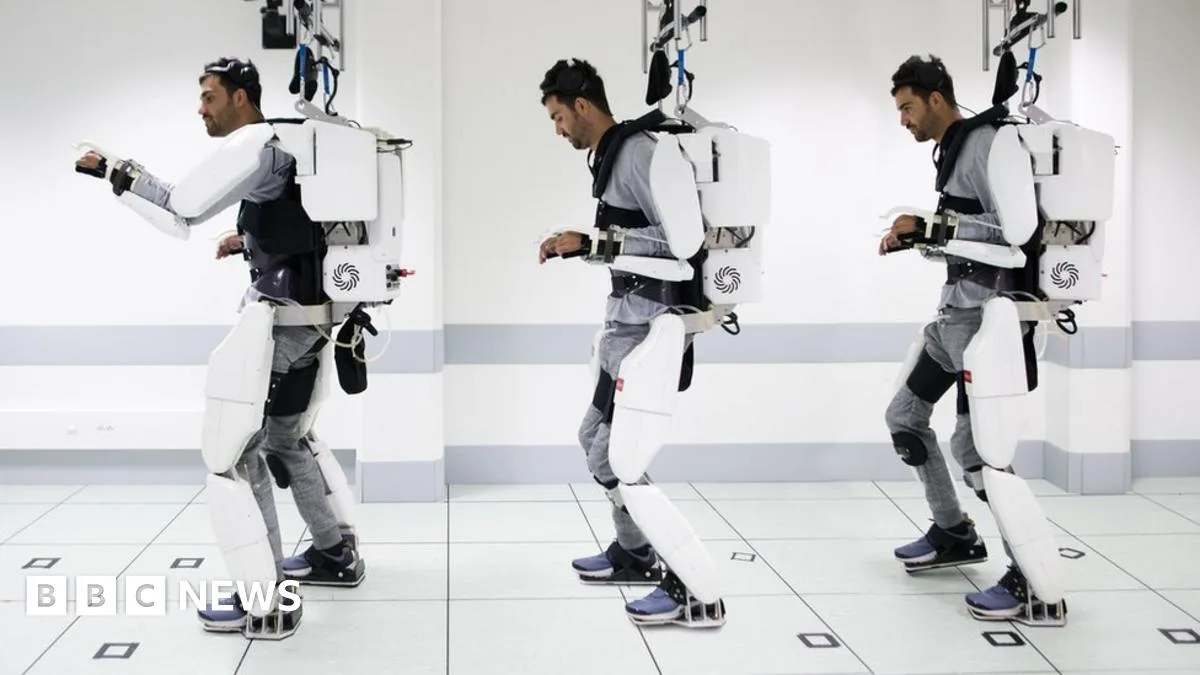
Though natural walking may never be possible, Ms Tawil has turned to wearable exoskeletons, also known as exosuits. These powered devices enable paraplegics to walk by interpreting upper-body movements or using controllers.

Wide Pickt banner — collaborative shopping lists app for Telegram, phone mockup with grocery list

Emotional Breakthrough Captured on Video

In a viral video with more than 350 million views, Ms Tawil captures the poignant moment she takes her first steps since the accident. As the exoskeleton lifts her to her feet, she gasps in disbelief, saying, 'Oh my God... ok, ok, ok.' Overwhelmed with emotion, she pauses through tears before regaining composure and moving forward with a smile.

The clip has received over 15 million likes and 140,000 comments, with viewers sharing supportive messages. Reflecting on the experience, Ms Tawil wrote, 'I never thought I'd get to relive a moment like this again... For the first time in ten years, I saw 16-year-old Jess again.'

How Exoskeleton Technology Works

Scientists and engineers have long collaborated to advance exoskeleton technology, aiming to transform lives for people with paraplegia. Constructed from materials like metal and carbon fibre, these devices use motion sensors to track user movements.

For those unable to move their legs, exoskeletons interpret intent through upper-body motions, such as leaning forward or shifting hips. Some models, including the one Ms Tawil used, feature wrist-mounted controllers or buttons for directing movement.

Physical and Psychological Benefits

Research highlights numerous benefits of exoskeleton use. A 2022 study in the Journal of Personalized Medicine noted improvements in muscle strength, walking speed, and efficiency, along with positive effects on secondary conditions like spasticity, bone density, and cardiovascular function.

The study also reported enhancements in mood, mental state, and overall quality of life. For Ms Tawil, this technology offers a chance to reclaim aspects of her life lost in the 2014 crash.

Recalling the Tragic Accident

Ms Tawil previously recounted the night of the crash, alleging she was kidnapped by unknown men after they arrived at a friend's house with drugs and alcohol. Taken to an abandoned road, her requests to go home were ignored.

She told BuzzFeed, 'When we got to this road, the driver stopped the car and put his foot on the gas and brake at the same time, doing a burnout with his wheels. He lost control of the car and crashed into a tree.'

The impact caused whiplash, a head injury exposing her skull, and a spinal cord injury. Paramedics noted she lost a significant amount of blood and airlifted her to intensive care. After seven months in rehab, she returned home permanently wheelchair-bound.

Daily Life as a Paraplegic

Ms Tawil's daily routine involves using her hands to position her lower body for transfers, such as from her wheelchair to bed. She does not shift positions during sleep, remaining as she fell asleep. To enter a car, she uses a wooden plank as a bridge from her chair to the seat.

She must be cautious with movements, as she cannot feel pain from the waist down, risking unnoticed injuries. Additionally, she experiences daily episodes of autonomic dysreflexia, a potentially fatal blood pressure spike triggered by bodily functions like not using the toilet.

Pickt after-article banner — collaborative shopping lists app with family illustration

Addressing Common Questions and Advocacy

On TikTok, Ms Tawil often answers viewer questions, including those about sex and motherhood. She explains that while she cannot feel anything externally or internally during intercourse, her menstrual cycle was unaffected, and doctors have confirmed she can still conceive.

If she becomes a parent, childbirth would not require pain medication due to her lack of sensation. Ms Tawil emphasizes the importance of sharing her story to educate others about paraplegia.

She stated, 'Not many people know too much about paraplegics and their capabilities, so I wanted to be that light to inform, educate, and even entertain people... A lot of people are discriminatory toward paraplegics and wheelchair users... this would give them a small taste of what it's like.'

Her journey underscores the transformative potential of exoskeleton technology, offering hope and improved quality of life for individuals with spinal cord injuries.




