NHS Stroke Rehabilitation Crisis: Staff Shortages Fail Patients, Health Leaders Warn
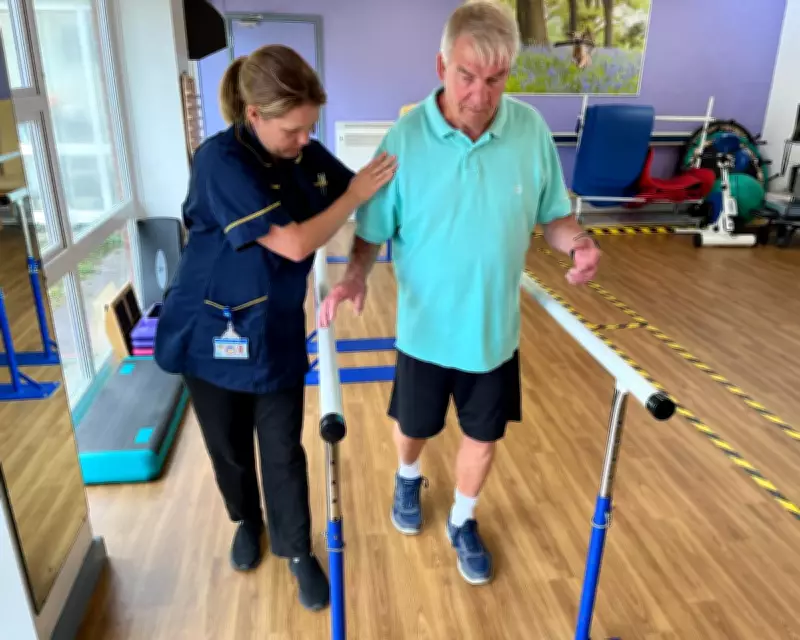
Health leaders have issued a stark warning that the NHS is failing stroke patients and severely limiting their recovery prospects due to a critical shortage of rehabilitation care staff. Despite more people surviving strokes than ever before in the UK, their hopes for improvement are being dashed by a lack of physiotherapists and other specialist personnel, according to the Chartered Society of Physiotherapy and the Association of Chartered Physiotherapists in Neurology.
Guidelines Ignored as Rehab Falls Short
National guidelines stipulate that stroke survivors should receive therapy-based rehabilitation for three hours daily, five days a week. However, data indicates that, on average, patients only receive rehab three to four days per week while in hospital, and this drops to just one to two days once they are discharged. This shortfall is highlighted in a national survey of stroke physiotherapists across 159 NHS services, revealing workforce shortages in community stroke services, acute stroke teams, and community rehabilitation support.
Ash James, director of practice and development at the CSP, expressed deep concern, stating, "Something is going seriously wrong in our health system if the NHS is failing to turn workforce growth into the posts required to meet even the minimum standards for stroke rehabilitation." He added that members are advocating tirelessly for patients, only to have their concerns dismissed.

Alarming Workforce Gaps Exposed
The 2025 stroke physiotherapy workforce survey uncovered significant deficits: community stroke services are operating with 26% fewer physiotherapists than recommended, acute stroke teams are 15% below guidance levels, and community rehabilitation support workers are 36% short. Adine Adonis, chair of Acpin, emphasized, "More people are surviving strokes in the UK than ever before, but survival must be matched with the chance to recover well. These findings highlight a stark and urgent gap in staff available for specialist rehabilitation."
Juliet Bouverie, chief executive of the Stroke Association, noted that approximately 240 people in the UK have their lives "potentially destroyed" by stroke each day. She stressed, "Early and bespoke rehabilitation, coupled with ongoing support, can vastly improve physical effects and emotional wellbeing, but progress is far too slow. Greater investment in people and processes is desperately needed."
Government Response and Future Plans
A spokesperson for the Department of Health and Social Care acknowledged the issue, stating, "Every stroke survivor deserves the support they need to recover, but too many people are not getting it. We're working to fix that by rolling out specialist stroke rehabilitation in people's homes and setting clear standards for care." The government has also committed to reducing stroke deaths by a quarter over the next decade.
This crisis underscores the urgent need for systemic changes to ensure stroke survivors receive adequate rehabilitation both in hospital and the community, safeguarding their recovery and quality of life.