NHS Stroke Rehab Crisis Leaves Patients Crawling Up Stairs, Facing Lifelong Disabilities
NHS Stroke Rehab Crisis Leaves Patients With Lifelong Disabilities

NHS Stroke Rehabilitation Staffing Crisis Condemning Patients to Lifelong Disabilities

A damning national audit of stroke services has exposed a critical staffing crisis within NHS rehabilitation teams, with not a single service in England meeting required staffing levels. This severe shortage is leaving stroke survivors without vital aftercare, forcing many to face recovery alone and resulting in avoidable lifelong disabilities.

"I Was Left to Crawl Up the Stairs": A Patient's Harrowing Experience

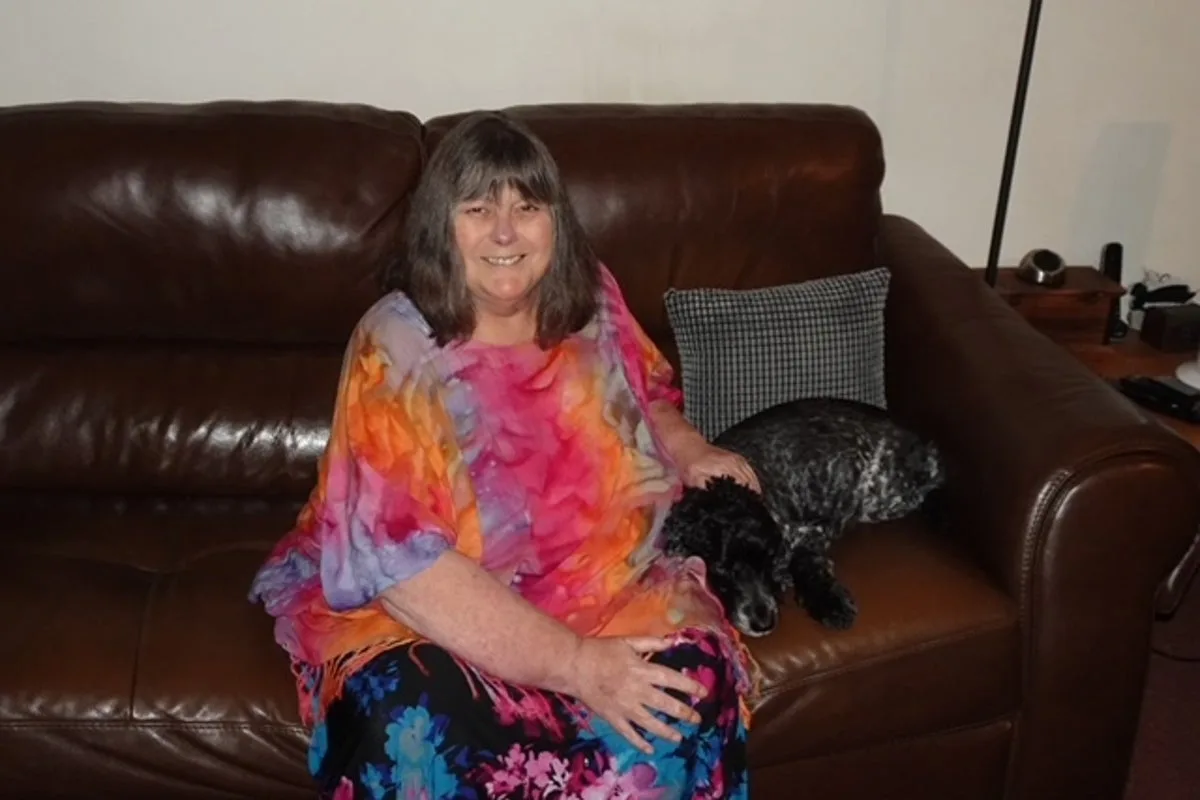
Jane Anson, a 59-year-old freelance writer from Cornwall, experienced this crisis firsthand. After suffering a stroke in September 2024, she received life-saving acute treatment including thrombolysis at Derriford Hospital in Plymouth. However, her recovery journey quickly turned into a nightmare of neglect.

"My husband came to collect me from hospital, and I had to figure out what I was going to do when I got home," Ms. Anson recalled. "I had to get up the stairs. I was crawling up the stairs. It was awful - every little thing I had to do had to be thought about."

Wide Pickt banner — collaborative shopping lists app for Telegram, phone mockup with grocery list

Discharged just four days after her stroke despite physiotherapists warning she wasn't ready, Ms. Anson returned home with promises of community support that never materialized. For two months, she struggled with basic tasks like brushing her teeth and eating, receiving no rehabilitation visits from the NHS.

National Audit Reveals Systemic Failure

The 2025 national audit of stroke services paints a bleak picture across England. No community team meets staffing requirements for adequate patient care, with services in Cornwall and the Isle of Scilly particularly failing to meet national standards for staffing or patient access to daily rehabilitation.

Professor Deb Lowe, stroke consultant and medical director at the Stroke Association, issued a stark warning: "There's no point in us giving all these amazing acute treatments and reducing the number of people dying from stroke, but then condemning them to a life of disability and lack of independence by not giving them rehabilitation."

With approximately 1.4 million stroke survivors in the UK and 100,000 new cases annually, the rehabilitation gap represents a growing public health crisis. While stroke death rates have fallen 43% since 2001, survivors are being abandoned during the crucial recovery phase.

Devastating Consequences for Patients and Workforce

The staffing crisis has created a perfect storm of negative outcomes. NHS community service waiting lists have ballooned to 1.1 million in January 2025, up from 962,040 just one year earlier. This backlog means patients like Ms. Anson face extended periods without professional support.

Professor Lowe highlighted the economic impact, noting that the 50-59 age group represents the largest cohort of stroke sufferers in the UK. "Poor rehabilitation care is leaving many unable to work," she emphasized, calling for parity of esteem between acute treatment and rehabilitation services.

Ms. Anson's experience illustrates the human cost. After two months without NHS support, her husband hired a private speech therapist at £175 per session - an expense they could only sustain for limited sessions. The lack of aftercare plunged her into "a very, very dark place" mentally, with her writing career destroyed and basic mobility compromised.

Trust Response and Ongoing Challenges

Cornwall Partnership NHS Foundation Trust acknowledged the problem, stating: "We know early rehabilitation at home is vital for helping people regain independence, and waiting for therapeutic support is not the experience we want for any of our patients."

The trust pointed to measures like earlier therapy triage and additional clinic appointments as attempts to improve referral-to-treatment times. However, Ms. Anson received just four physiotherapy sessions in December 2024 before support ceased again, highlighting the persistent nature of the staffing crisis.

As stroke survivors continue to face recovery alone, experts warn that without immediate investment in rehabilitation staffing, the NHS risks undermining its own successes in acute stroke care, creating a generation of patients with preventable lifelong disabilities.

Pickt after-article banner — collaborative shopping lists app with family illustration




