NHS Reveals One in Four Donors Have 'NEO' Blood That Saves Critically Ill Babies
NHS: One in Four Donors Have Lifesaving 'NEO' Blood for Babies

NHS Appeals for Donors with Special 'NEO' Blood to Save Critically Ill Newborns

The NHS has made an urgent appeal for blood donors, highlighting that one in four individuals possess a special type of blood that can be lifesaving for critically ill newborn babies. This revelation comes as health leaders emphasize the critical need for suitable blood types, with the wrong type potentially proving fatal for the most vulnerable infants.

What Makes 'NEO' Blood So Vital for Neonatal Care?

According to NHS Blood and Transplant, approximately 200,000 of the 800,000 regular blood donors in England have blood labelled as 'NEO'. This designation indicates that the blood is free of cytomegalovirus (CMV), a common and typically harmless virus that most adults carry. However, for newborns with underdeveloped immune systems, CMV can be deadly, making NEO blood essential for their survival.

Every week, hospitals across England require around 500 units of red blood cells suitable for neonatal patients. The ongoing shortages, exacerbated by changing habits such as increased remote work since the pandemic, have prompted calls for more people to register as donors. Most available donation slots are located in larger town and city centres, posing accessibility challenges.

Wide Pickt banner — collaborative shopping lists app for Telegram, phone mockup with grocery list

A Lifesaving Story: Joey Thacker's Journey

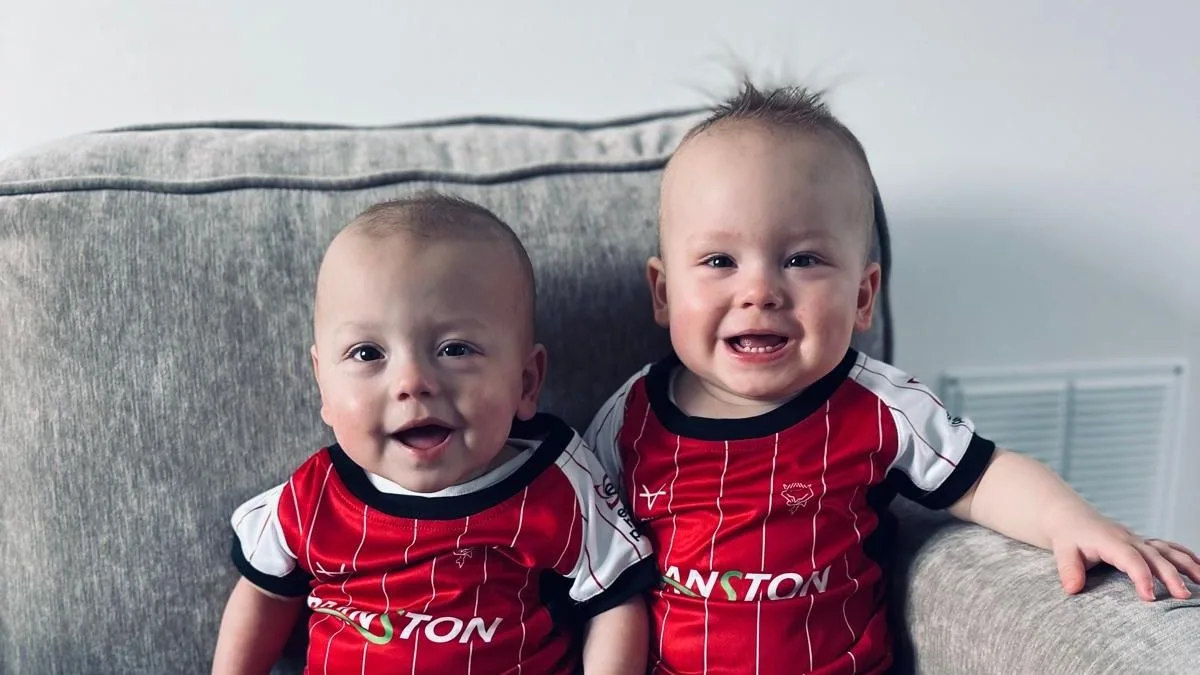
The importance of NEO blood is powerfully illustrated by the case of two-year-old Joey Thacker. Joey and his twin sister Eva were born at just 27 weeks and admitted to neonatal intensive care. At two days old, Joey underwent emergency surgery for a bowel perforation, which led to septic shock. An emergency transfusion of NEO blood was crucial to his survival.

Their mother, Meghan Lusby, 26, from Lincoln, shared her emotional experience: "Every time Joey went into surgery, the doctors weren't sure if he was going to make it. It was life or death, basically. But it wasn’t just the doctors who saved his life; it was blood donors too. Joey would not be here if the hospital did not have the blood he needed in that moment."

Joey remained at Nottingham’s Queen’s Medical Centre for eight months, where additional blood transfusions provided the strength needed for further surgeries. Despite developing cerebral palsy and short bowel syndrome due to early complications, his progress has exceeded medical expectations. Joey’s twin, Eva, also received blood transfusions for low haemoglobin levels.

The Emotional Impact on Donors and Families

For donors like Katie Parker, 43, from Birmingham, discovering that her blood is suitable for newborns was a poignant moment. Blood transfusions saved the life of her stepsister, Kate, after she suffered catastrophic blood loss during childbirth. Katie, a mother of two working in logistics, expressed: "I had no idea I had NEO blood until the donor carer at my last donation told me my blood was suitable for babies and showed me the blue tag. It made me think of Kate, and I texted her straight away. It was quite an emotional moment, really, as it felt so close to Kate’s experience."

Gerry Gogarty, director of blood supply at NHS Blood and Transplant, emphasized the pride donors feel: "Every donor can be proud that their generous act will save or improve the life of a seriously ill child or adult. And we know our donors feel especially touched if they see a blue 'NEO' tag on their donation bag, knowing their blood can help the most vulnerable patients."

Current Needs and How to Donate

The NHS is currently facing a particular need for more donors with specific blood types, including B negative, O negative, Ro, and those of Black heritage, especially in the lead-up to Easter and the May bank holiday. During holiday periods, stock levels typically drop as people spend time with family or travel.

To ensure donations are safe for neonatal patients, blood designated as NEO undergoes rigorous testing to confirm CMV status and other specialist checks. The NHS encourages potential donors to register via the GiveBloodNHS app or at the official website, booking appointments even if immediate slots are unavailable.

Pickt after-article banner — collaborative shopping lists app with family illustration

Meghan Lusby, who works in clinical coding at Lincoln County Hospital and is a blood donor herself, added: "I’m a blood donor, and I love receiving the text message after I have donated. I got one saying my blood had gone to a children’s hospital, which felt like a full circle moment."

With each donation capable of saving up to three adults or six babies, the call for new donors remains urgent. The NHS stresses that giving blood is a quick and easy process that directly contributes to saving lives across all age groups.




