
A Guardian analysis of NHS data has found that the health service in England will fail to meet several key targets for reducing waiting times by the end of the fiscal year on March 31. The targets, set by ministers, include improvements in A&E, cancer care, and elective hospital treatment.
Only 52 of 150 NHS trusts managed to deliver 65% of non-urgent hospital care within 18 weeks in January, well below the year-end target. Furthermore, 117 trusts failed to improve performance by at least five percentage points compared to November 2024. Overall, the NHS achieved 61.5% of patients treated within 18 weeks in January, up from 58.9% a year earlier but insufficient to hit the 65% target.
On A&E, the NHS treated 74.1% of patients within four hours in February, short of the 78% target for March 31. The service is also expected to miss an interim target for category two ambulance response times (for strokes and heart attacks), which averaged 30 minutes and 25 seconds in January against a 30-minute goal.
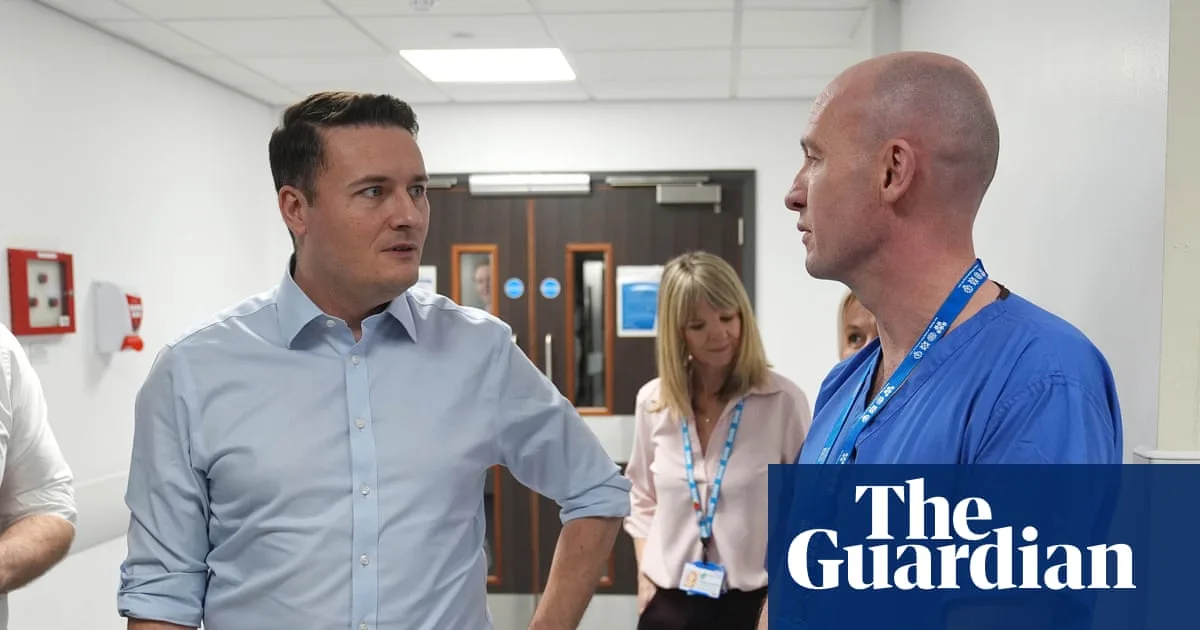
Health Secretary Wes Streeting had pledged last week to restore key waiting time standards by 2029, including the 92% elective target and four-hour A&E waiting times. The missed targets have drawn criticism from Liberal Democrat health spokesperson Helen Morgan, who said patients face long delays due to an NHS that 'isn't up to scratch.'
The NHS had received an additional £120 million in recent weeks for an 'elective sprint' of extra appointments and operations. However, Tim Gardner of the Health Foundation described the effort required to meet the pledges as 'herculean.' He added that projections suggest the government will not achieve the 92% elective target by 2029.
On a positive note, patient satisfaction with GP appointments has improved, which was another key target for this year. The Health Foundation noted that while recent progress is encouraging, significant variation across trusts remains a concern.




