
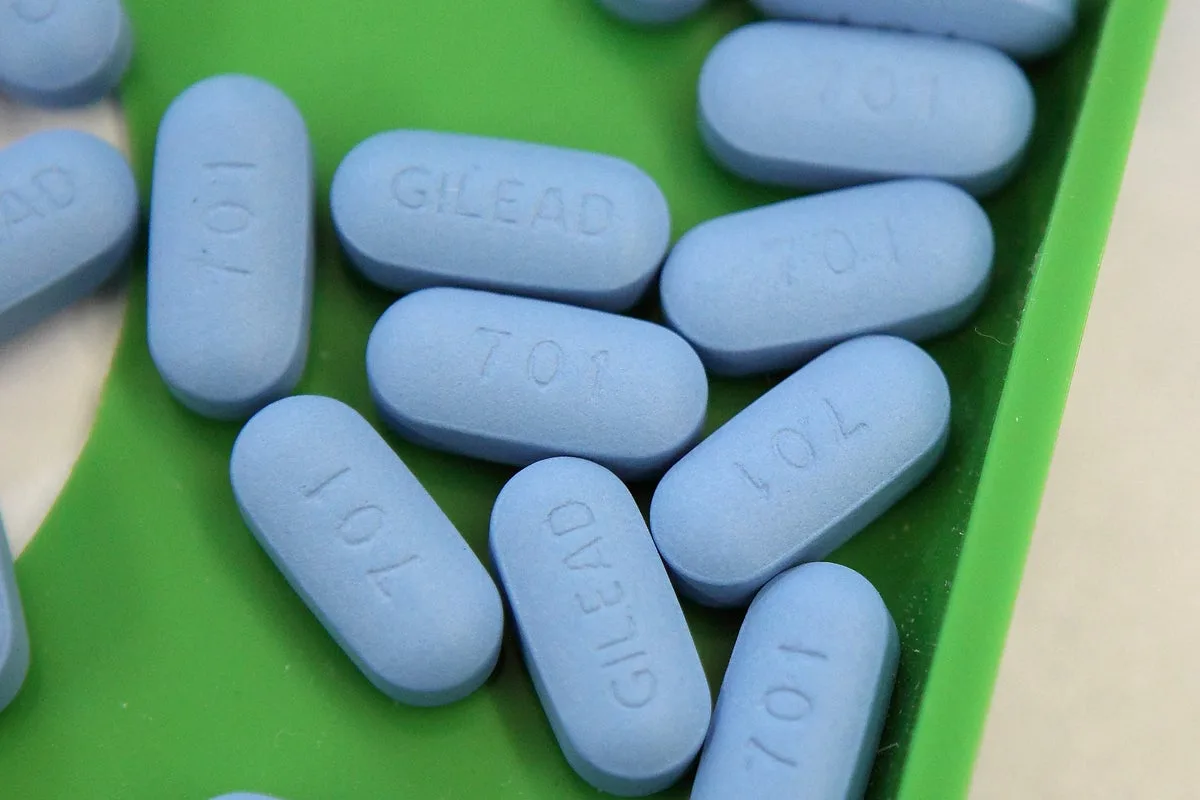
A new HIV treatment could enable patients to stop taking daily medication for up to two years, according to a study by Imperial College London. The therapy uses a combination of two broadly neutralising antibodies (bNAbs) to suppress the virus, offering a potential alternative to current antiretroviral therapy (ART).
In a trial involving 68 participants from Britain and Denmark, 75% were able to stop ART for five months, half for a year, and about a quarter for two years. The findings, published in The Lancet HIV, showed the bNAb therapy was more effective than a placebo in controlling viral load.
Professor Sarah Fidler of Imperial College London described the results as 'the first time a bNAb-based therapy has demonstrated viral load control of this duration and magnitude in a randomised placebo-controlled trial.' She added that the research 'opens new possibilities for HIV treatment and brings us closer to our goal of finding a cure.'
Currently, around 113,500 people in the UK live with HIV, with ART costing the NHS over £400 million annually. While ART effectively suppresses the virus to undetectable levels, it requires daily dosing and cannot eliminate HIV entirely. The new antibody-based approach could reduce the burden of daily medication and lower costs.
The UK government aims to end HIV transmissions by 2030 through increased testing and awareness. Latest data show new diagnoses fell by 4% in 2024, from 3,169 to 3,043. Researchers now plan to develop the treatment further so more patients can benefit from longer drug-free periods.




