

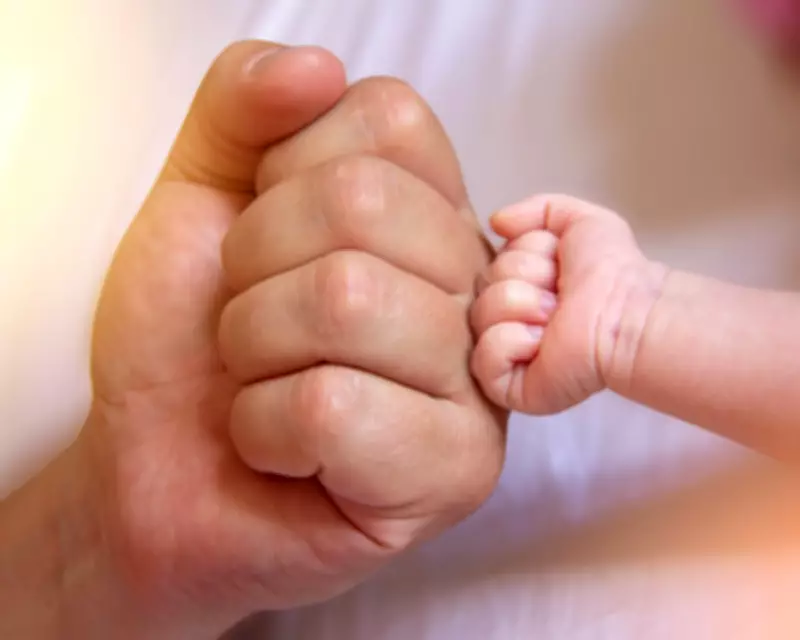
The Silent Struggle of Modern Fatherhood
New fathers across Australia are facing a profound identity crisis, caught between outdated expectations and a genuine desire to parent differently. According to a recent survey by the Movember Institute of Men's Health, two in five fathers do not want to emulate their own fathers' parenting styles, yet they find themselves navigating this seismic transition with little structural support.
A Lack of Guidance in a Time of Change
Zac Seidler, a clinical psychologist and global director of research at Movember, shares his personal experience as a new dad. 'The slow, weeks-long reckoning that followed my son's birth was something no book had prepared me for,' he writes. 'What crept up on me was a dawning existential realisation that everything had quietly reorganised itself while I was too exhausted to notice.'
Seidler describes how his professional identity as a men's health psychologist was well-established, but the arrival of fatherhood brought a second identity that arrived without mentorship or peer support. 'This one didn't come with a mentor, a peer group who'd been through it or years of iteration to draw on,' he explains. 'It just arrived, and I was expected to know what to do with it.'

The Contradictory Demands of Modern Fatherhood
The survey of 1,216 Australian fathers reveals striking contradictions in contemporary fatherhood expectations:
- More than 75% of fathers value being a good dad above career success
- 72% are already more involved in daily childcare than their fathers were
- 77% say fatherhood has helped them express love and vulnerability more openly
Yet these positive developments occur against a backdrop of inadequate support systems. 'Modern mothers have been navigating the complex task of balancing roles as professional and parent for decades,' Seidler notes. 'But what is often missing from this conversation is considering the family as a system of inter-related individuals.'
The Structural Gap in Father Support
The research highlights significant gaps in how society supports new fathers:
- Three in five Australian fathers reported that no health professional asked about their mental health during pregnancy or the first year after birth
- 54% of fathers believe Australian society does not celebrate or support involved dads
- Fathers receive vague warnings rather than practical guidance compared to the detailed support offered to mothers
'When I'm out pushing a pram or seen changing a nappy in public, the mild surprise on people's faces tells me the bar is not just set low – in many contexts it doesn't exist,' Seidler observes.
The Need for Systemic Change
Seidler argues that simply expecting fathers to do more without structural support is counterproductive. 'Heaping more pressure on new dads to simply do more, without any structural support to help them through the seismic transition, cannot be the answer,' he writes.
The solution, according to the research, lies in creating systems that actively support fathers:
- Health services that routinely check on fathers' mental health
- Workplace policies that acknowledge and support fatherhood transitions
- Community programs specifically designed for new fathers
- Government-funded fathers' groups mirroring the successful mothers' group model
'The structures that surround new fathers from health services to workplaces and community programs were simply not designed with them in mind,' Seidler concludes. 'Men are already in those spaces. What's needed is the will to turn those systems toward them.'
The Movember Institute of Men's Health Fatherhood Survey represents a nationally representative sample of more than 1,200 Australian fathers with children under ten. The findings suggest a generation of fathers ready to embrace new parenting models but needing the structural support to make this transition successfully.






