Mum's Headaches Dismissed as Anxiety, Then Doctors Found Satsuma-Sized Brain Tumour
A mother from Caerphilly who suffered years of debilitating headaches was repeatedly told her symptoms were due to anxiety, only to later discover a satsuma-sized tumour on her brain. Jodie Boulton, 38, says she feels angry that her concerns were not taken seriously earlier, leading to a prolonged period of suffering without answers.
Years of Misdiagnosis and Sudden Alarm
Jodie Boulton began experiencing severe headaches in 2020, which she described as debilitating. She visited her GP surgery multiple times, but on each occasion, her symptoms were diagnosed as a sign of anxiety. The situation took a dramatic turn when her periods stopped completely in her 30s, triggering alarm bells.
An MRI scan in March 2025, arranged by an endocrinologist, revealed a mass the size of a satsuma on her brain. Doctors estimated it could have been present for up to 20 years. Jodie expressed mixed emotions, saying, "I felt angry and relieved at the same time. Angry that I suffered for so long without answers, but relieved that I finally knew the cause."

Surgery and Complications
The tumour was affecting her hormones due to its location. Initially, Jodie was given the option to wait and monitor if it grew, but her symptoms worsened, including balance issues and double vision. In June 2025, she underwent a 12-hour surgery that removed 85% of the tumour, with the remaining 15% left intact as it was wrapped around her optic nerve.
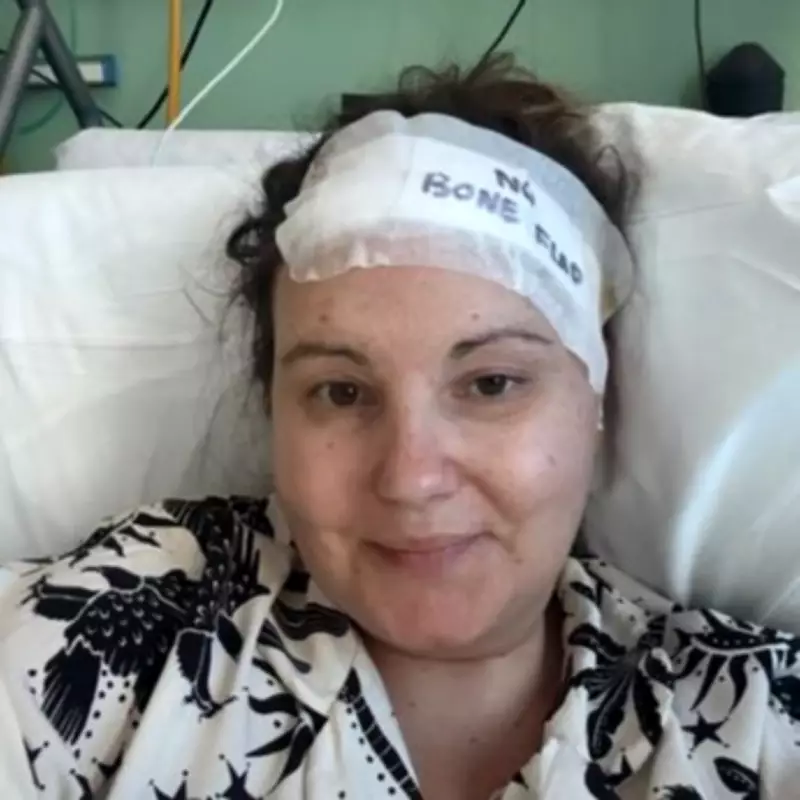
The tumour was later confirmed to be a low-grade meningioma, the most common type of brain tumour. However, complications arose ten days post-surgery when her wound began oozing. Despite being told by her GP that it looked fine, a consultant later discovered clear signs of infection, necessitating the removal of part of her skull.
Ongoing Recovery and Advocacy
Jodie spent two weeks in hospital on strong antibiotics and is now awaiting a titanium plate to reconstruct her skull, after two delays. In the meantime, she must wear a hard hat everywhere she goes, impacting her daily life, especially as a mother to a six-year-old son. "It's been incredibly difficult. I have to be careful about trips and falls, and I rarely go out because of anxiety," she said.
Unable to work due to health and safety risks, Jodie feels she has lost her independence. She is also frustrated that proper wound treatment might have accelerated her recovery. Previously an optical advisor who tested for tumours weekly, she found nothing, highlighting the challenges of detection.
To raise awareness, Jodie completed 10,000 steps a day in February for Brain Tumour Research, raising £550. She encourages others to share their experiences and support research. "Brain tumours are indiscriminate; they don't care about your age or gender," she noted, adding that her story is one of hope and survival despite needing one more surgery.
Call for Policy Change
Dr Karen Noble, Director of Research Policy and Innovation at Brain Tumour Research, criticised the lack of brain tumour clinical trials in Wales over the past five years. "It is unacceptable that patients here are being locked out of innovation," she said, advocating for expanded access to trials, whole genome sequencing, and targeted funding to improve survival rates.
Jodie's experience underscores the importance of taking patient symptoms seriously and the need for increased investment in brain tumour research to prevent similar cases in the future.