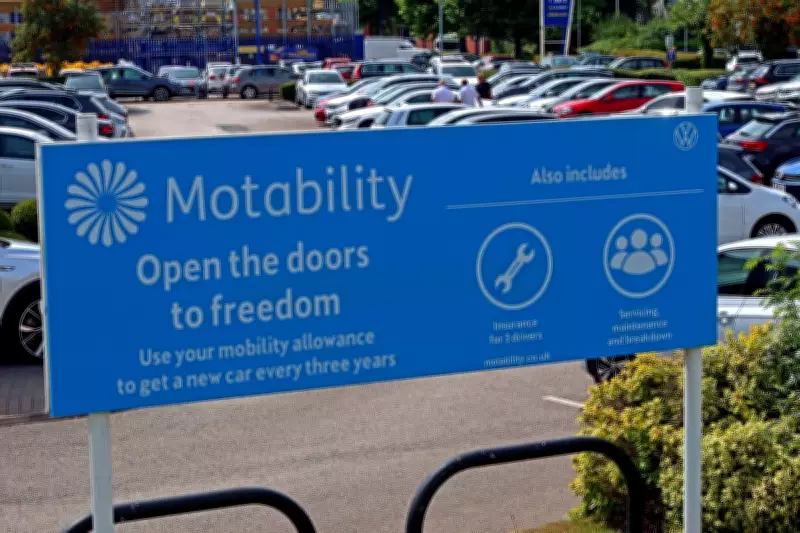
Disabled individuals relying on the Motability scheme are confronting significant new financial burdens as the car leasing programme implements measures to counterbalance £300 million in additional taxes imposed by the Government. The changes, which include adjustments to mileage allowances and the introduction of fees for international vehicle use, are set to impact approximately 890,000 Britons who depend on the scheme for accessible transportation.
Government Tax Changes Drive Cost Increases
The financial strain stems directly from last year's autumn budget, where Chancellor Rachel Reeves announced pivotal alterations to the Motability scheme. Notably, the Government will now apply VAT to advance payments and impose insurance premium tax on leases starting in July 2026. Furthermore, the scheme has been directed to cease offering luxury vehicles such as BMW and Mercedes-Benz models, a move aimed at curbing perceived excesses within the programme.
Specific Charges and Adjustments
In response to these fiscal pressures, Motability Operations has outlined a series of operational changes. Andrew Miller, the chief executive, communicated to users that the average cost of a new lease would surge by approximately £1,100 if no action were taken. To mitigate this, the organisation is implementing several key adjustments:

- Reduction of annual mileage allowances for users.
- Increase in excess mileage fees for those exceeding their limits.
- Introduction of charges for taking vehicles abroad, a previously complimentary service.
- Modifications to tyre replacement policies to align with typical usage patterns.
Additionally, customers initiating new leases after July 1, 2026, can expect advance payments to rise by an average of £300 to £400. However, it is important to note that many new vehicles on the scheme will still not require any advance payment, offering some relief amidst the broader cost escalations.
Political Scrutiny and Reform Proposals
The Motability scheme, which allows eligible individuals receiving higher or enhanced rates of disability mobility benefits to lease vehicles, has faced mounting political criticism. Reform UK has recently advocated for sweeping changes to the programme, citing concerns over abuse and inefficiencies. This scrutiny underscores the delicate balance between providing essential mobility support to disabled citizens and ensuring the scheme's financial sustainability and public accountability.
Andrew Miller emphasised that the decision to implement these charges was not taken lightly, stating, "It was clear to me that simply passing all these costs on to customers was not an option." The adjustments are designed to reflect how most customers utilise their vehicles while minimising the tax impact as much as feasible. Nevertheless, for many disabled users, these changes represent a tangible increase in the cost of maintaining their independence and mobility.