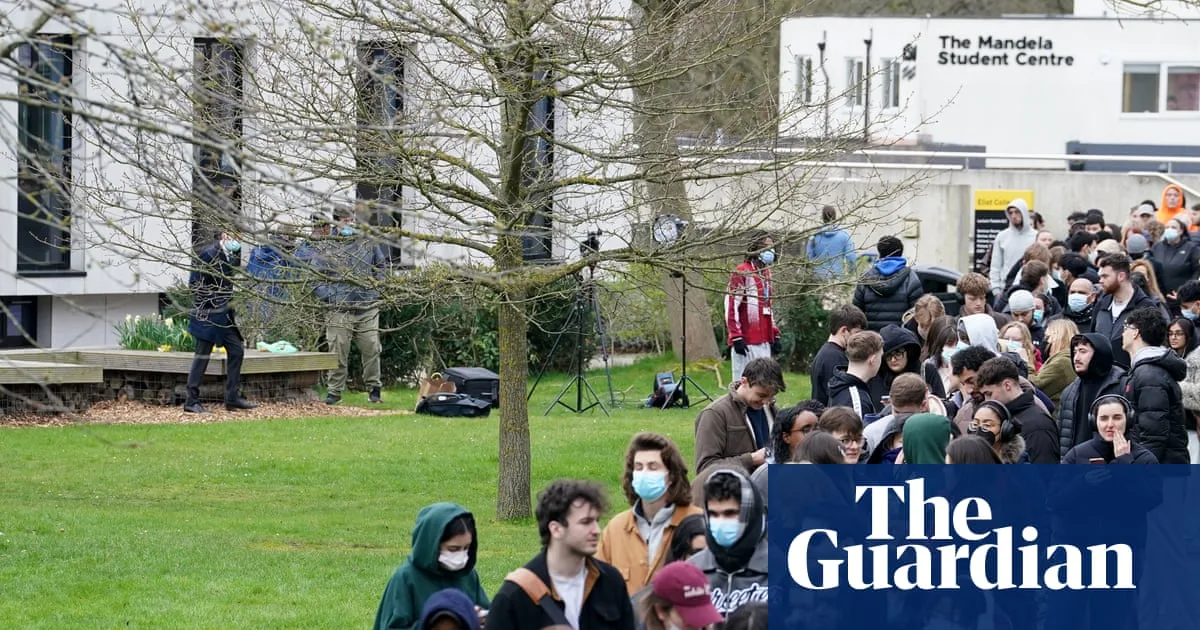
A meningitis B outbreak linked to a nightclub in Canterbury has sparked fears of household clusters across the UK. The outbreak, which began at Club Chemistry in early March, has resulted in two deaths and several serious illnesses among university students. Health authorities have administered antibiotics to 30,000 people and plan to vaccinate up to 5,000 University of Kent students against meningitis B.
Professor Andrew Preston, an expert in microbial pathogenicity at the University of Bath, described the outbreak as the largest cluster of cases in a generation, likely caused by a super-spreading event. He noted that the disease can strike suddenly, with mild symptoms rapidly deteriorating into life-threatening conditions. The bacteria are spread through close contact such as kissing or sharing drinks and vapes.
Health Secretary Wes Streeting has urged calm, stating that the risk of transmission is low and advising against private vaccinations. However, a rush for jabs has led to a national shortage, with pharmacies like Boots and Superdrug reporting a spike in bookings and some locations running out of stock.
Despite the outbreak, meningitis remains rare in the UK, with 378 cases recorded between July 2024 and June 2025. Vaccination programmes have been highly effective against other strains, but meningitis B cases have risen since the pandemic. Experts warn that household clusters could emerge if close contacts are not promptly treated.