Meningitis B Vaccination Programme Extended to Kent School Pupils
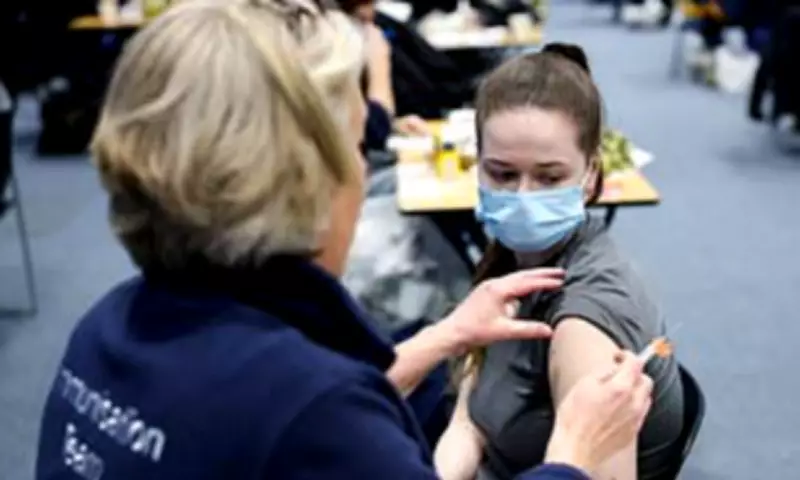
In response to a concerning meningitis outbreak, health authorities have announced that schoolchildren aged 15 and 16 in Kent will now receive the meningitis B vaccine. This expansion comes after the initial rollout targeted University of Kent students last week, with Health Secretary Wes Streeting confirming the programme would include sixth form pupils at nearby schools where cases have been identified or suspected.
Outbreak Statistics and Public Health Response
The UK Health Security Agency (UKHSA) reported on Monday that there are currently 20 confirmed cases of meningitis, with three additional cases under investigation. This represents a decrease from the nine cases under investigation reported on Sunday, but officials remain vigilant. Every individual diagnosed has required hospital admission, with nine patients treated in intensive care units, four of whom remain in critical condition.
Health officials have confirmed that the outbreak strain belongs to group B meningococci bacteria. Preliminary analysis indicates that standard antibiotic treatments and existing vaccines are effective against this particular strain, providing what Professor Robin May, chief scientific officer at UKHSA, described as "strong reassurance" about current medical countermeasures.

Nightclub Connection and Transmission Patterns
Epidemiological tracing has revealed that most affected individuals attended Club Chemistry in Canterbury between March 5 and 7 before developing symptoms. Only three infected people did not visit the nightclub during those dates, but they reside in student accommodation with connections to those who did attend.
The average age of those infected is 19, with the majority being students. However, five non-students have also contracted the disease. The outbreak has claimed two lives: 18-year-old Juliette Kenny, described by her family as previously "fit, healthy and strong," and an unnamed University of Kent student.
Expert Warnings About Strain Virulence
Dr. Lindsey Edwards, a microbiology expert at King's College London, has characterized this outbreak as involving "one of the most worrying strains of meningitis." She explained to the Daily Mail that this particular strain demonstrates greater virulence and danger compared to other types, with enhanced ability to evade immune detection and attach to bodily cells.
"This means it's more likely to cause sepsis, and can get into the spine or brain, triggering deadly complications," Dr. Edwards warned. She emphasized the critical time factor in meningitis cases, noting that symptoms can progress from mild to severe within hours, creating a narrow window for effective medical intervention.
The expert further described the nightclub environment as providing "ideal conditions for a super-spreader event," citing poor ventilation combined with activities like kissing, vaping, sweating, and shouting. She expressed concern about the potential for wider transmission as infected individuals returned to their homes across different regions.
Government Response and Containment Efforts
Health Secretary Wes Streeting has extended condolences to the families of those who have died and expressed solidarity with those battling the disease. On Sunday, he acknowledged the challenging week for affected communities and frontline responders, praising what he called "Herculean efforts" by healthcare workers, UKHSA officials, NHS teams, and educational institution staff.
Streeting also thanked the thousands of students, pupils, and members of the public who have proactively sought antibiotic treatment and vaccination. The expanded vaccination programme for Year 11 students aims to provide long-term protection against a disease that has demonstrated its deadly potential in this outbreak.
Health officials continue intensive laboratory investigations to better understand how bacterial strain characteristics, social and environmental conditions, and population immunity may have influenced the outbreak's spread. Containment efforts focus on tracing all exposed individuals and administering preventive antibiotics to interrupt transmission chains.