
Lyme disease cases in England have increased by more than 20% in the past year, according to data from the UK Health Security Agency (UKHSA). The agency reported 1,168 laboratory-confirmed cases in 2025, up from 959 in 2024 – a 22% rise. However, the figure is similar to the 1,151 cases recorded in 2023.
Two probable cases of tick-borne encephalitis complex were also identified in 2025, bringing the total number of locally acquired cases to six since the virus was first detected in the UK in 2019. Dr Claire Gordon, head of the rare and imported pathogens laboratory at UKHSA, said: 'While the number of laboratory-confirmed acute cases of Lyme disease in 2025 is an increase on numbers reported in 2024, we expect overall case rates to vary year to year depending on awareness, testing rates and factors that impact outdoor activities such as weather. Broader trends in 2025 remain consistent.'
Lyme disease is caused by the bacterium Borrelia burgdorferi, which lives in the gut of ticks – tiny spider-like creatures found in grassy and wooded areas that feed on the blood of birds and mammals, including humans. Dr Gordon noted an increasing geographical distribution of ticks across the UK, with numbers varying due to weather conditions, climate trends, habitat changes and shifting host populations.
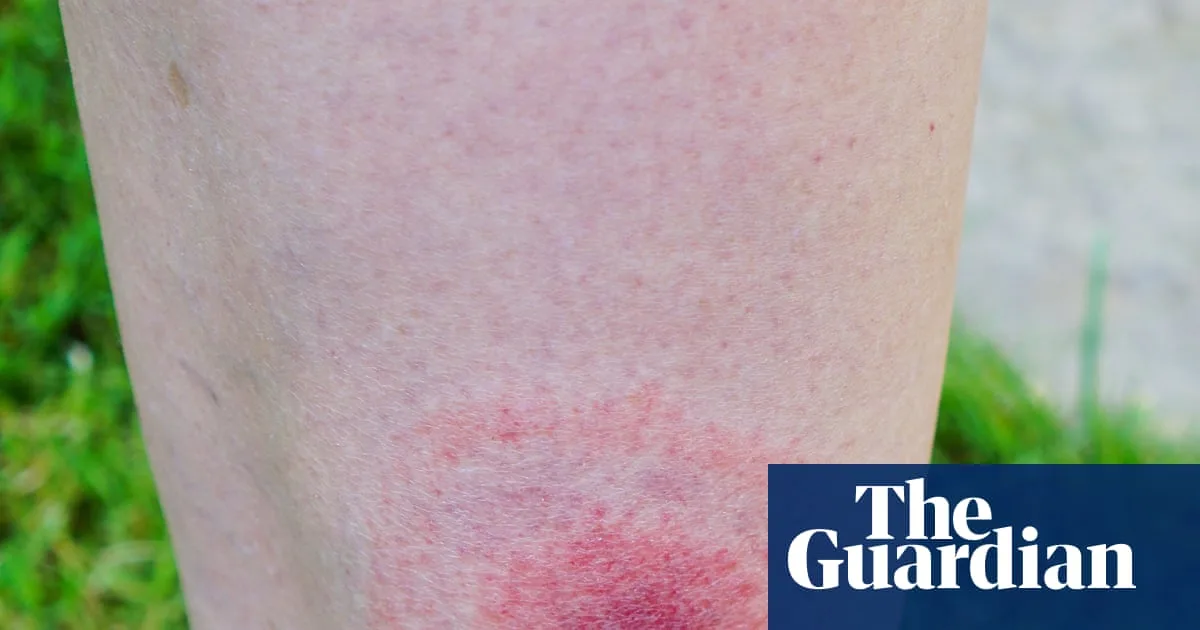
Symptoms of Lyme disease can include a bullseye-like rash, fever, muscle and joint pain, and lethargy. Left untreated, the condition can become chronic, and some patients report ongoing symptoms even after antibiotic treatment. While not all ticks carry Lyme bacteria, rapid removal of ticks is thought to reduce the risk of infection after a bite.
Currently, advice for humans centres on prevention, such as using repellents, covering exposed skin outdoors and wearing light-coloured clothing to make ticks easier to spot. Several new treatments are in development, including an mRNA vaccine from Moderna and a vaccine from Pfizer and Valneva, both aiming to avoid the immune pathway suspected of causing arthritis in some recipients of the earlier LYMErix vaccine, which was withdrawn from the US market in 2002 due to poor uptake.




