Meningitis B Outbreak at University of Kent Sparks Campus Lockdown Fears
A deadly outbreak of meningitis B has plunged the University of Kent into a state of high alert, with students queuing for precautionary antibiotics and campus life grinding to a halt. The situation, described by university officials as "very sad and worrying," has already claimed two lives and hospitalized thirteen others, creating an atmosphere of tension and anxiety across the Canterbury campus.
Eerie Silence and Pandemic Echoes
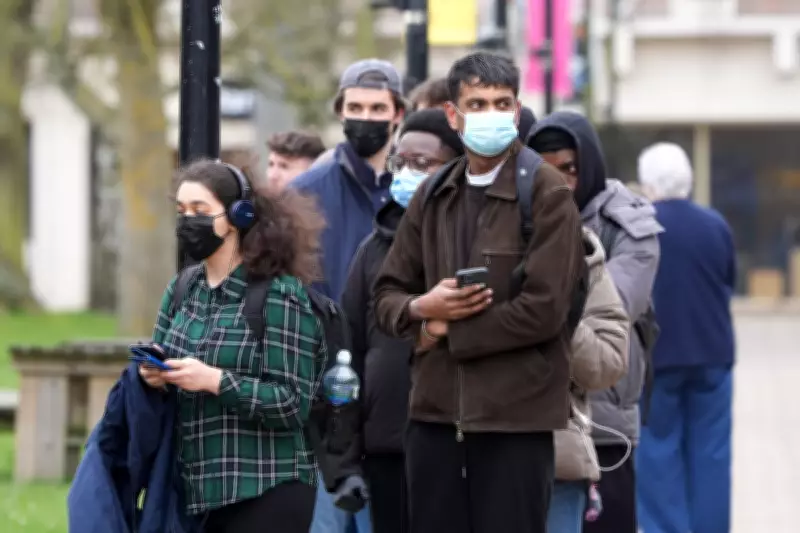
As students formed socially distanced queues outside the Senate building, an unsettling quiet descended upon the university grounds. The scene was starkly reminiscent of the COVID-19 pandemic, with most students wearing face masks and few engaging in conversation. Those without proper masks improvised with scarves and jumpers, while university staff distributed protective equipment to unprepared individuals.
Harvey Bennett, a 21-year-old cell biology master's student, expressed his surprise at the pandemic-like atmosphere. "I didn't realise everyone was going to be wearing face masks down here," he told reporters. "It definitely feels like we're back in COVID, it's weird." The 21-year-old had decided to collect antibiotics as a precautionary measure, embodying the "better safe than sorry" mentality spreading through the student population.

Academic Disruption and Social Cancellations
The outbreak has significantly disrupted university operations during the crucial exam season. All assessments have been moved online, while the student union's planned St Patrick's Day celebration was abruptly cancelled. The only significant foot traffic on campus consisted of students collecting their antibiotic doses, creating a ghost-town atmosphere in what should be a bustling academic environment.
Zyren Distajo, a second-year biomedical science student, reported that some of her friends had descended into "mass hysteria" while others drew comparisons to the COVID-19 pandemic. "I think a lot of people are just calming down because they realise that everyone being anxious isn't going to do anything," she noted, highlighting the mixed emotional responses among the student body.
Public Health Response and Student Behavior Changes
The UK Health Security Agency has confirmed that the meningitis B strain is responsible for at least four cases in the outbreak. Health authorities have identified particular risks for students, who may mistake early meningitis symptoms for common illnesses like colds, flu, or even hangovers. This has led to targeted interventions, including antibiotic distribution to anyone who visited Canterbury's Club Chemistry nightclub between March 5th and 7th.
Ms. Distajo believes the outbreak will fundamentally alter student social behavior. "I think people are just going to be less inclined to talk to strangers and to go out," she predicted, suggesting that the traditional university social scene may be "ruined" for the foreseeable future, particularly for first-year students and year 13 pupils.
Government Action and Campus Exodus
Health Secretary Wes Streeting described the situation as "unprecedented" and "a rapidly developing situation" during a Commons address. While defending the UKHSA's response as "quick and comprehensive," the government has announced a targeted vaccination program for University of Kent students, with specific details to follow.
Approximately 700 antibiotic doses have already been distributed in the Canterbury area, but many students have chosen to leave campus entirely. Malek, a 24-year-old student who declined to give his surname, decided to return home after collecting his medication to avoid potentially exposing his parents. Similarly, 18-year-old military history undergraduate Matthew McKeague, who commutes from Hythe, emphasized the importance of preventing the outbreak from spreading beyond Canterbury.

"There is obviously a sense of worry," Mr. McKeague acknowledged. "There's no great time for it to happen, but with exams, essays, and everything being done, it's probably the worst time it could have happened." He noted one potential silver lining: many campus residents had already left for the approaching half-term break, reducing the population density and potential transmission opportunities.
University Statement and Ongoing Monitoring
A university spokesperson emphasized that this is "a regional public health matter and not specific to the university," with the UKHSA leading the response effort. The institution has contacted all known contacts of existing cases and continues to provide antibiotic treatment on campus while updating students and staff through email and social media channels.
The spokesperson reiterated the university's commitment to supporting the community during this "very sad and worrying time," as health authorities work to contain the outbreak and prevent further tragedies. With the meningitis B strain confirmed as the culprit behind multiple cases, the campus remains on high alert as students navigate this unexpected health crisis during one of the most stressful periods of the academic year.