Kent Meningitis Outbreak Shows Signs of Slowing as Vaccination Efforts Ramp Up
The concerning meningitis outbreak centred on the University of Kent may have reached its peak, according to the latest data from health authorities. Officials reported only two new cases on Friday, suggesting a potential slowdown in the spread of the disease.
Latest Case Numbers and Hospital Admissions
The UK Health and Security Agency (UKHSA) confirmed that as of Thursday afternoon, there were 18 confirmed and 11 probable cases linked to the outbreak, bringing the total to 29 individuals affected. Among the confirmed cases, 13 have been identified as meningitis B (MenB). Despite the encouraging slowdown in new infections, the situation remains grave, with every single case requiring hospital admission for treatment.
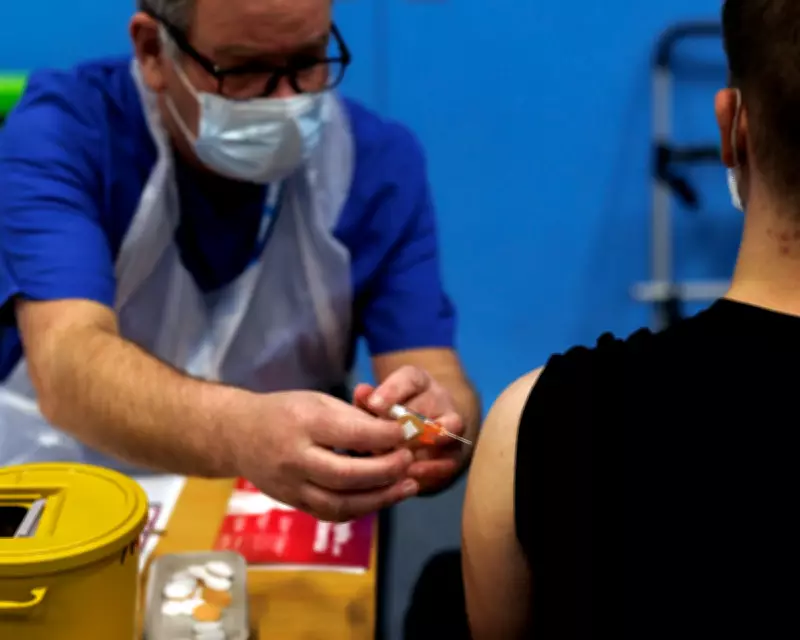
In a significant public health response, authorities have administered 2,630 vaccinations to those potentially exposed by Thursday evening. Additionally, 9,840 doses of preventative antibiotics have been distributed to contain the outbreak's further transmission.

Scientific Analysis of the MenB Strain
Professor Robin May, the chief scientific officer at UKHSA, emphasised that experts are working tirelessly to understand the characteristics of this particular MenB strain. "We've been working around the clock since the discovery of this outbreak to try and understand more about it," he stated. The genomic sequencing of the bacteria is notably complex, with its genome approximately one hundred times larger than that of the Covid-19 virus.
Initial genetic analysis indicates that the Bexsero vaccine, currently being offered in Kent, should provide effective protection against this strain. The pathogen belongs to a group known as sequence type 485 within the clonal complex ST-41/44, with similar strains circulating in the UK for about five years. However, detailed analysis is ongoing to determine if any mutations have made the bacteria more transmissible or virulent.
Expert Perspectives on the Outbreak's Trajectory
Several leading health experts have weighed in on the outbreak's likely progression. Professor Paul Hunter from the University of East Anglia noted that, given an incubation period of up to ten days, the peak from the initial super-spreading event has likely passed, though secondary cases among contacts remain possible.
Dr Michael Head from the University of Southampton suggested that extensive contact tracing and widespread publicity may have contributed to seeing the tail end of this outbreak. He also highlighted the reassurance that the strain appears to be well-covered by the existing MenB vaccination.
Professor Brendan Wren of the London School of Hygiene & Tropical Medicine added that current genetic analysis suggests the strain has not mutated into a more invasive form, though definitive confirmation awaits full genome sequencing.
A Family's Tragic Loss and Campaign for Change
The outbreak has brought profound personal tragedy, underscored by the death of teenager Juliette Kenny on 14 March, just one day after developing symptoms. Her father, Michael Kenny, described their "immeasurable loss" and is now campaigning for teenagers and young people to be routinely given access to the meningitis B vaccination. "No family should experience this pain and tragedy," he said, hoping his daughter's legacy would inspire lasting change in vaccination policy.
Future Vigilance and Learning
Looking ahead, Professor May acknowledged the need for ongoing vigilance. "We'll be mindful both of the possibility of this particular strain re-emerging in the future, but also general principles that we'll learn about the bacteria," he explained. The insights gained from this outbreak are expected to enhance future prevention strategies against meningococcal disease.
While the immediate crisis may be abating, the collective response—combining rapid vaccination, antibiotic distribution, and rigorous scientific investigation—highlights the critical importance of robust public health measures in managing infectious disease outbreaks.