EastEnders Star Kara Tointon Shares Health Update After Preventative Surgery
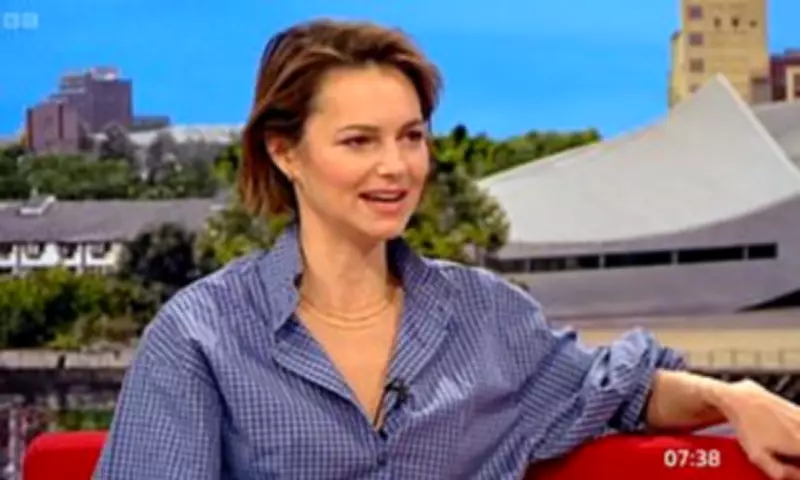
Actress Kara Tointon, best known for her role as Dawn Swan in EastEnders, delivered an emotional health update during a recent appearance on BBC Breakfast. The star discussed her decision to undergo a 'daunting' double mastectomy last year after discovering she carries the BRCA1 gene, which significantly increases cancer risk.
A Personal Journey with the BRCA Gene
Tointon explained that she underwent the serious surgery in May last year, which also included removal of her fallopian tubes. The actress revealed she learned about her genetic predisposition after her mother's battle with ovarian cancer in 2018. "The BRCA1 and BRCA2 genes usually protect us from cancer," she noted, referencing information from Macmillan Cancer Support. "A variant in either of these genes reduces the level of protection. Over time, this may mean some types of cancer are more likely to develop."
During her interview with hosts Jon Kay and Sally Nugent, Tointon emphasized the positive aspects of her decision. "For me, this is right, and I can only speak about it in a kind of positive way, because it has been positive," she said. "I'm on the other side and sort of flying the flag for people to get checked and get to know their bodies and talk more, because communication is key."

Return to Stage After Five-Year Break
The conversation occurred as Tointon discussed her return to acting after a five-year hiatus, with a new role in The Constant Wife. When asked about taking control of her life again after surgery and personal loss, she responded thoughtfully about her stage comeback. "You're back where you are happy - on the stage," she acknowledged.
Tointon explained her decision to speak publicly about her experience came through her work with the Eve Appeal charity during their Get Lippy campaign last May. "Obviously that was quite daunting," she admitted. "As it happens I was ready to talk about it and I knew that people who had spoken about it when I was going through my journey, it comforted me, it helped so much, I wanted to do the same."
Family Considerations and Decision Process
The mother-of-two detailed how family history influenced her choices. Her mother passed away from ovarian cancer in 2019, and an aunt died from cancer in the early 2000s. "There was this generation trauma within the women in my family," Tointon revealed during a separate appearance on Good Morning Britain. "My mum just put it off, she just didn't want to know. She always believed she was going to die of cancer, but didn't know about the gene."
For Tointon, having children made the decision clearer. "Having two young children, I just took the decision that it was the right move for me," she explained. However, she emphasized that surveillance remains a valid option for many people with genetic mutations. "At first I was happy with surveillance," she said. "We're so lucky with these genetic mutations, now we're getting to know more about personal genetics and surveillance suits a lot of people very well."
The Surgical Process and Recovery
Tointon described the thorough process leading to surgery. "It doesn't happen over night," she noted. "You're invited to lots of meetings. You have to think it through, everyone has a different choice to make, depending on their lifestyle and who they are."
The actress shared that the most challenging aspect was making the initial appointment. "I think my message to people is, honestly making that first appointment and first call is the hardest part of the process," she advised. "Once you do that, you've done your bit and it's left to the professionals."
Understanding Double Mastectomy Procedures
A double mastectomy involves the removal of both breasts, often performed as a preventative measure for those at high cancer risk, particularly individuals with BRCA gene mutations. Most patients stay in hospital for one or two nights and can return to regular activities within approximately four weeks. Potential side effects include pain, swelling, limited arm movement, and numbness in the chest or upper arm. Some women opt for breast reconstruction surgery afterward, and additional treatments like radiation, chemotherapy, or hormone therapy may be recommended depending on individual circumstances.

Tointon's openness about her experience serves as an important reminder about genetic testing and preventative health measures. "Don't be scared," she urged viewers. "Facing things actually is empowering." Her story highlights the complex decisions facing individuals with hereditary cancer risks and the importance of personalized medical choices.