Kaiser Therapists Strike Over AI and Clerical Screening Risks in California
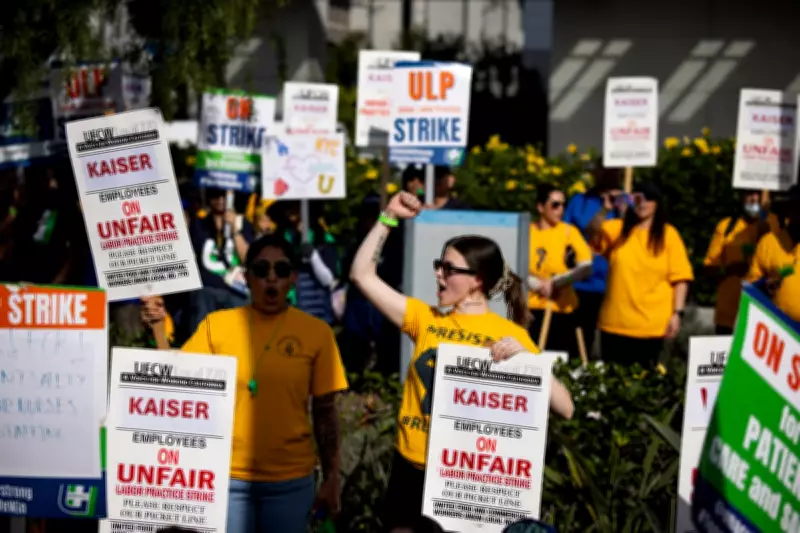
Mental health professionals at Kaiser Permanente in California have launched a strike, voicing grave concerns that new screening processes involving clerical staff and potential AI integration are endangering patients by delaying critical care. The one-day walkout, involving approximately 2,400 workers represented by the National Union of Health Care Workers (NUHW), highlights fears that these changes could lead to severe outcomes for those in crisis.
Delays and Dangers in Patient Assessments
Ilana Marcucci-Morris, a licensed clinical social worker at Kaiser's psychiatry outpatient clinic in Oakland, California, reports a troubling shift since January 2024. Previously, licensed professionals typically served as the first contact for behavioral health patients. Now, a new system employs clerical workers—unlicensed practitioners—who use scripted "yes" or "no" questions to assess severity and urgency. Additionally, e-visits via online questionnaires have been introduced for some patients before scheduling with clinicians.
Marcucci-Morris notes an increase in patients arriving with severe mental health issues that should have prompted emergency room referrals weeks earlier. She expresses relief when they survive to appointments, stating, "Thank God they're still alive." This sentiment is echoed by five other licensed Kaiser therapists, who observe that high-risk cases face longer waits, while lower-risk patients are sometimes fast-tracked, straining an already overwhelmed system.

Union Complaints and AI Integration Fears
The NUHW has filed administrative complaints with the California Department of Managed Health Care, alleging that Kaiser's screening system is illegal and has resulted in over 70 negative care outcomes since January 2025. A key concern is the potential use of AI to replace licensed therapists for certain tasks. Marcucci-Morris emphasizes, "Human work needs to stay with human beings," reflecting widespread anxiety among staff.
In a 2025 internal survey obtained by the Guardian, more than one-third of Kaiser's northern California mental health workers reported that AI or other technologies had been rolled out in ways they fear could harm their work or patient care. Nearly half expressed discomfort with AI tools in clinical practice. Transparency and data retention policies related to AI software Abridge for note-taking have raised additional worries, though Kaiser states use is optional and requires patient consent.
Kaiser's Response and Workforce Changes
Kaiser has pushed back against these claims, asserting in an emailed statement that it delivers "timely, high-quality care to meet members' needs." The company denies that AI or clerical staff conduct assessments or clinical determinations, noting that clerical workers are trained to escalate cases immediately to crisis therapists. Kaiser also claims it is "growing our workforce, not shrinking it," despite union reports of significant reductions in triage therapist numbers.
Kristi Reimer, a former licensed psychologist at Kaiser's Walnut Creek facility, left her role pre-emptively, citing "the writing on the wall" as assessment systems changed. Harimandir Khalsa, a triage worker in Walnut Creek, reports her team has shrunk by two-thirds over two years, fueling fears about job security and care quality.
Impact on Patient Care and Legal Scrutiny
Therapists argue that initial contact points are crucial in mental health care, determining whether patients see licensed clinicians and the type of appointments they receive. The NUHW's complaints allege that clerical staff use algorithms to generate scores and schedule care, potentially violating state law. Kaiser denies this constitutes triage and maintains no clinical decisions are made by non-licensed staff.

Kaiser has faced previous scrutiny over mental health access delays, including a $200 million settlement with California in 2023 and a $31 million settlement with the U.S. Department of Labor last month over allegations of improper questionnaire use. Carolyn Staehle, a therapist in Pleasanton, California, observes that the new system leads to crisis teams handling non-urgent cases, slowing care for those in desperate need. She warns, "It's not the same level of care as being assessed by a licensed therapist."
As workers focus on ratifying a new contract and securing commitments against AI replacement, the strike underscores broader tensions between technological efficiency and human-centered care in healthcare systems.