Trauma Expert Warns of Profound Psychological Effects from Iran War on British Civilians
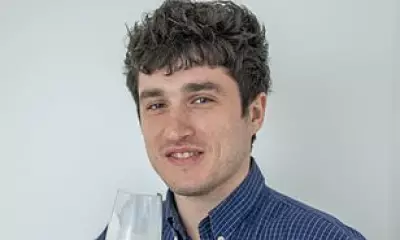
Influencers may jest about entering a "refugee era," but Dr Waheed Arian, a leading trauma specialist, understands the grim reality behind such flippant remarks. He highlights the deep and far-reaching consequences of witnessing war, whether directly involved or observing from afar, in a conversation with Peter Stanford.
War on Our Doorstep: A New Reality for Brits
"Suddenly, everyone realises that their loved ones are being impacted," reflects Dr Arian, a 42-year-old senior A&E doctor in Shrewsbury, born in Afghanistan. He emphasises that the current Middle East conflict is unique in recent memory because many civilians caught in the chaos are not distant "others" but British expats and tourists. "Whether it is all those caught up in the conflict, or their loved ones looking on from far away, it is on our doorstep, and the fire is in our house," he states, noting fears of the conflict spreading to Europe.
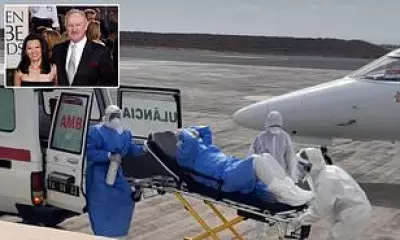
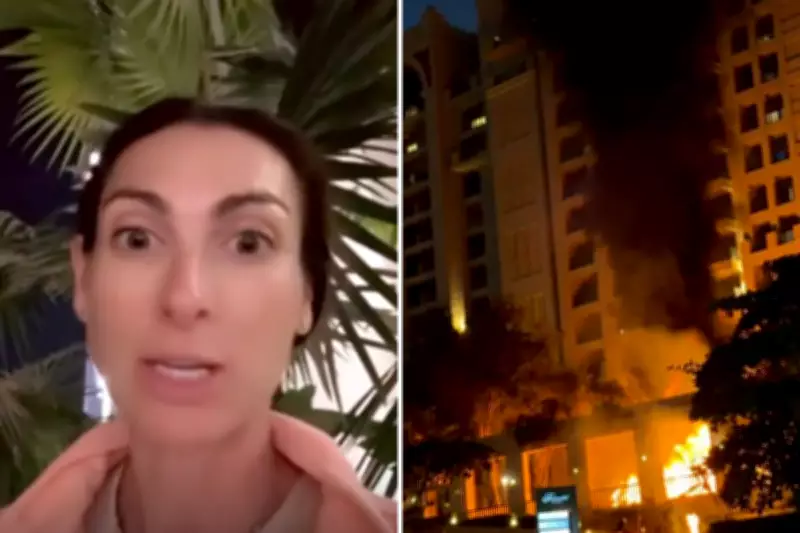
Recent events underscore this proximity: drone attacks on British bases in Cyprus, part of the European Union, and ballistic missiles from Iran intercepted in Turkish airspace, a NATO member. British tourists and expats are scrambling to return from the UAE, with civilian targets under fire in Dubai. "Suddenly it is no longer something happening 'over there' and 'to them'. We are witnessing how conflict can happen to anyone, spread like wildfire and impact millions of people overnight," Arian explains.

Personal and Professional Insights into Trauma
While influencer Luisa Zissman faced mockery for her "refugee era" post after fleeing Dubai, Arian stresses the acute fear felt by those escaping conflict. "Maybe you are sleeping in the middle of the night when you are woken up to the sounds of a rocket falling, and you have no idea where it is going down. The fear it causes, the randomness of it, the impact of it, you can see how civilians who have nothing to do with the war itself are impacted by this," he says. Expats and locals around the Persian Gulf are now uncertain of the conflict's direction, he adds.
Dr Arian's perspective is both professional and deeply personal. Through his Arian Wellbeing organisation, in partnership with the NHS and local authorities, he is rolling out trauma-informed mental health support. His insights are rooted in his own experiences as a teenager in war-torn Kabul during the 1990s, where Soviet occupiers and Mujahideen fighters battled for control. "I think of the people first before coming to the geo-political crisis. What I have experienced has taught me how to look with another person's perspective," he shares.
Echoes of Past Trauma in Current Conflicts
At age five, Arian fled Afghanistan with his family over mountain paths to Pakistan, narrowly escaping death from a Russian spotter plane. He recalls cowering in fear as rockets approached: "You can hear the rocket for seconds coming in, and that feels like an eternity. You are thinking, is it us, is it my family, my parents, my loved ones who will be impacted by that missile?" His family fled over 100 times, stepping over dead bodies, with images forever burned in his memory.
Even today, watching coverage from his home in Cheshire with his wife and two children, aged six and nine, triggers horror. "Watching the coverage, my heart still jumps," he confesses. After years in a refugee camp, where surviving tuberculosis inspired his medical career, he returned to Kabul only to find it still a battlefield. The trauma persists: "I can't sleep until two in the morning. My body clock has been completely impacted. That's the impact of the war. It is the psychological and biological impact of trauma." A habit of taking a banana to bed, mocked by his children, stems from wartime hunger.

From Refugee to Doctor: A Journey of Resilience
At 16, Arian was sent to Britain, where he destroyed his passport, was arrested, and held in HMP Feltham before being released and granted asylum. He studied while working multiple jobs, excelled in A-levels despite imperfect English, and won a place at Cambridge University. Qualifying as a doctor in 2006, he suffered breakdowns in 2008 and 2010, highlighting trauma's varied effects. "Trauma can affect people in many ways. People may have seen one or two drones, but they suffer the same as someone who has been caught in the middle of a conflict zone," he notes, adding that some experience post-traumatic growth.
Since 2008, he has established medical projects in Afghanistan and launched Arian Teleheal, a phone referral system providing expert guidance to doctors in war zones. This initiative mitigates war's worst impacts and is currently in use in the conflict. "There is no certainty with war," he says, explaining growing anxiety about potential European conflicts with Russia.
Lessons in Empathy and Shared Humanity
Arian urges less complacency and hostility towards refugees, emphasising that war can impact anyone. "War can impact any time, so when we look at refugees and think 'they are not like us', they could be us," he argues. By imagining the sudden loss of security and safety in conflict zones, we can develop empathy. Expats and influencers returning traumatised to Britain are now realising there is no "us and them"; we all share the same fear and desperation to escape terrifying events.