Bullied, Ignored, and Undiagnosed: The Hidden Crisis for Autistic Girls
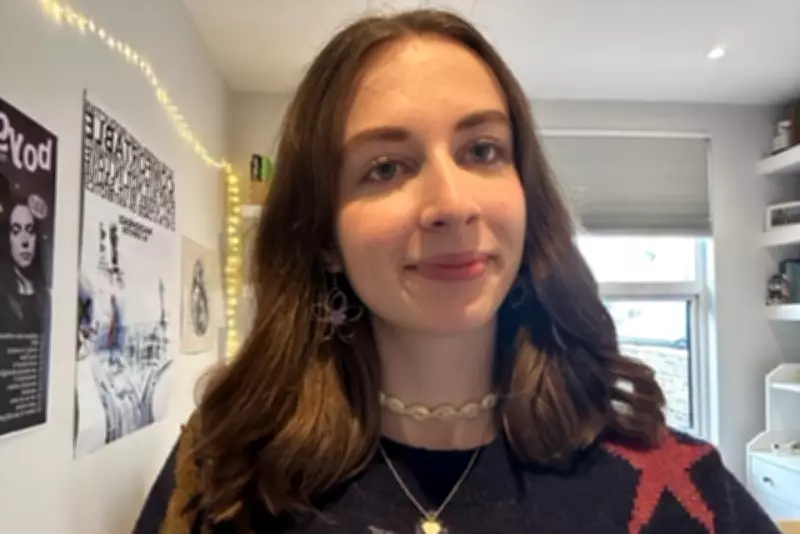
For Betsey Gorman, 19, school was a daily nightmare of overwhelming anxiety and internalised panic. Reserved and hypervigilant at her London state secondary, she held herself together only to collapse in tears at home. "I didn't understand why I was like that," she recalls. Despite describing autistic traits to an educational psychologist at 13, she wasn't diagnosed until Year 12. Now studying psychology at university, Betsey believes an earlier diagnosis would have been life-changing, offering better support and preventing years of self-doubt from masking to fit in.
Diagnostic Delays and Debated Labels
A study reveals the median age for autism diagnosis in girls is nearly three years older than for boys—15.9 versus 13.1. Autism researcher Uta Frith has sparked controversy by suggesting that girls with high verbal ability and anxiety might benefit from different diagnostic labels than autism, arguing the spectrum has become too broad. "This population is different... characterised mainly by hypersensitivity," she told the Times Education Supplement, proposing alternative treatments.
However, Betsey and other experts strongly disagree. "Autism is considered a spectrum for a reason," Betsey asserts, describing it as a colour wheel of varied experiences. Educational psychologist Dr Sue Franklin calls Frith's views "out of touch," warning they could stall progress in identifying autism in girls. If implemented, such changes might further delay or deny diagnoses, exacerbating disadvantages in the Special Education Needs & Disabilities (SEND) system.

SEND Reforms and Rising Risks
Education secretary Bridget Phillipson's new SEND system, phased in by 2035, replaces Education, Health and Care Plans (EHCPs) with Individual Support Plans (ISPs). While ISPs aim for quicker intervention, Cathy Wassell, CEO of the Autistic Girls' Network, fears insufficient training and budget will leave subtle cases unnoticed. "A £4bn budget divided between schools won't even pay for a teaching assistant for each school," she says, adding that SENCOs face increased pressure to write ISPs and refer children.
Mainstream schools will now support more neurodivergent pupils without statutory EHCP interventions, likely prioritising extreme cases over harder-to-spot ones. Girls, who often mask symptoms to appear normal, risk being disproportionately affected. Wassell warns, "Making support more difficult to get in secondary school, when they are more likely to be in mental health crisis, is a disaster."
Personal Struggles and Systemic Failures
Rebecca Flowers fought for years to get her daughter Olivia, now nine, diagnosed with autism. Despite early signs like delayed speech and sensory issues, teachers dismissed concerns, leading to a three-year wait. Olivia received an EHCP at six, but therapy delays and bullying forced her withdrawal from school at seven. "I feared the next step would be self-harming," Rebecca says, noting a 2023 study found autistic females have an 83% increased risk of self-harm.
Olivia's complex needs include ADHD, dyspraxia, and hypermobility, yet it's unclear if she'll retain EHCP support under SEND reforms. Shermeena Rabbi, a speech therapist, observes that boys' external behaviours trigger early concern, while girls internalise, struggling with social cues and often facing bullying. "Girls are more likely to withdraw and mask," she explains, leading to later referrals.
Calls for Better Training and Awareness
Jolanta Lasota of Ambitious about Autism stresses the need for autism-specific training for school staff to identify girls who hide their struggles. "At the moment, the proposed SEND training offer seems very general," she notes. Without improved understanding, autistic girls may continue to slip through the cracks, facing lifelong mental health challenges.
If you are experiencing distress, contact the Samaritans at 116 123 or visit their website. In the USA, call or text 988 for the Suicide and Crisis Lifeline.