Scottish Hospitals Inquiry Delivers Damning Verdict on Government Oversight
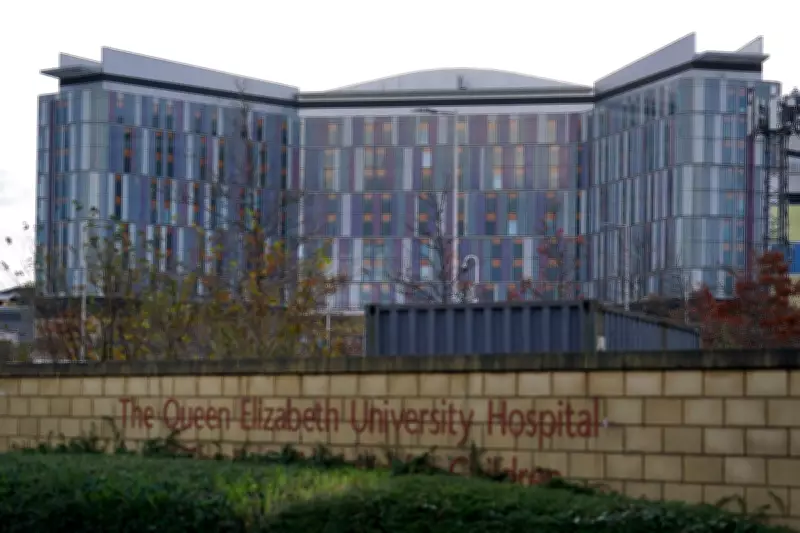
A supplementary note published by the Scottish Hospitals Inquiry has delivered a scathing assessment of the Scottish Government's role in the construction of the Queen Elizabeth University Hospital in Glasgow. The document, issued by inquiry lawyers on Monday, concludes that measures taken to ensure the flagship hospital was built according to established technical standards were fundamentally "inadequate".
Critical Failures in Compliance and Oversight
The inquiry found that Scottish ministers remained unaware of significant problems with the hospital's water and ventilation systems until 2018 or 2019, despite the facility opening in 2015. This lack of awareness meant that any governmental pressure on NHS Greater Glasgow and Clyde to complete the project on time and within budget was exercised "in ignorance of these issues".
More critically, the note states that the Scottish Government's systems for managing the procurement and construction of the hospital it funded were insufficient for ensuring compliance with Scottish Health Technical Memoranda. These documents establish best practice standards for healthcare facility design across Scotland.

"The Scottish Government did not know about the problems with the water system until 2018, but then neither did the senior management and board of NHS GGC due to failures to provide sufficient resources and lack of oversight by those responsible for the water system," the inquiry note states.
Political Calls for Ministerial Accountability
The publication follows recent political pressure, including a January 26 letter from Scottish Labour leader Anas Sarwar urging inquiry chair Lord Brodie to hear evidence from key political figures. Sarwar specifically named former First Minister Nicola Sturgeon, along with former ministers Shona Robison and John Swinney, arguing that the inquiry had not sufficiently scrutinized ministerial conduct and responsibility.
Sarwar expressed concern that ministers might use the inquiry's final report to suggest that problems were "contained entirely within the health board and could not have been prevented by Government intervention."
However, the inquiry lawyers countered this directly in their note, stating: "It is not correct to say that 'these problems were contained entirely within NHS GGC and could not have been prevented by Government intervention.'"
Inquiry Context and Response
The Scottish Hospitals Inquiry was established following infection-related deaths at both the Queen Elizabeth University Hospital and the Royal Hospital for Children. These tragic cases included that of 10-year-old Milly Main in 2017, highlighting the potentially fatal consequences of construction and maintenance failures.
The supplementary note was prepared in response to developments since the inquiry's last oral hearings in January 2026. Despite calls for further ministerial testimony, the lawyers indicated there was currently no "evidential basis" to hold additional oral hearings specifically regarding ministerial awareness before the hospital's opening.
Political Reactions and Criticism
Scottish Labour health spokesperson Dame Jackie Baillie described the inquiry's findings as a "damning indictment" of SNP ministers' failures. "It says the Scottish Government's oversight was 'not adequate', that there was no ministerial scrutiny of the construction contract despite taxpayers' money being on the line, and that the guidance supposed to prevent these failures was 'too obscure and entirely ineffective'," she stated.
Baillie emphasized that while the note provides important clarity, it "is no substitute for the examination under oath that should have been carried out as part of this inquiry." She called for the Scottish Government to cease what she characterized as misleading statements about their involvement in the scandal.
The inquiry's conclusions underscore a systemic failure of governmental oversight in one of Scotland's most significant healthcare infrastructure projects. The Scottish Government has been approached for comment regarding these latest developments.