

The Island Where Time Slows Down: Unlocking Ikaria's Longevity Mysteries
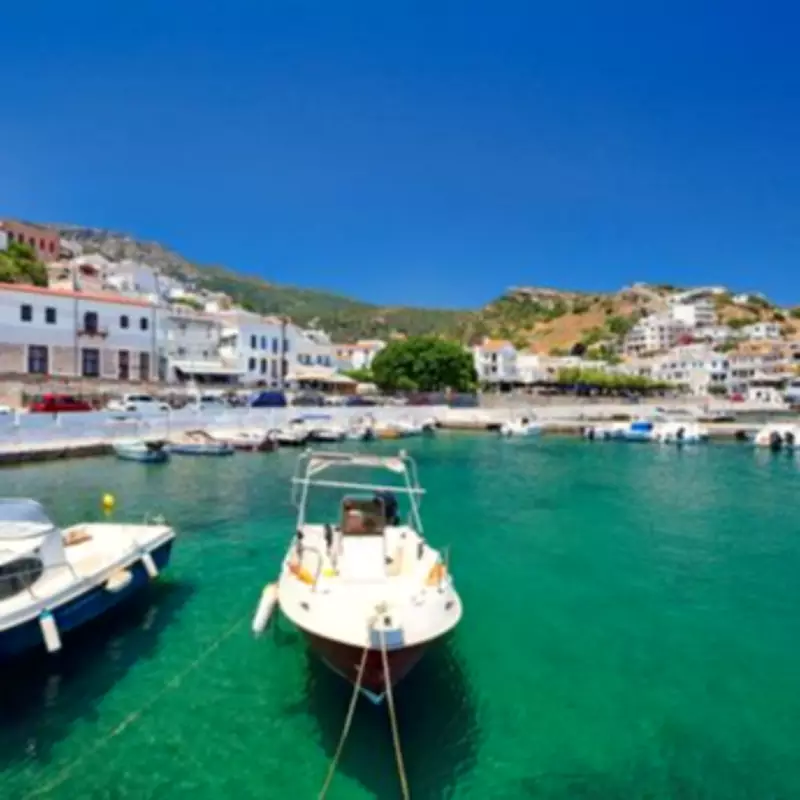
Nestled in the Aegean Sea, the remote Greek island of Ikaria spans just 99 square miles, yet it holds a global reputation as a 'blue zone' where residents boast some of the longest lifespans on Earth. With its stunning turquoise waters and natural thermal springs, this idyllic haven is home to a population where one in three inhabitants lives to see their 90th birthday, a rate that far surpasses many developed nations.
What Are Blue Zones and Why Does Ikaria Stand Out?
Blue zones are specific regions worldwide where people are observed to live significantly longer and healthier lives. Alongside Ikaria, these include Okinawa in Japan, the Nicoya Peninsula in Costa Rica, and Sardinia in Italy. Backed by National Geographic, longevity expert Dan Buettner and his team have extensively studied these areas to uncover the secrets behind their remarkable demographics.
Research has robustly documented Ikaria's claims, showing that locals reach age 90 at two-and-a-half times the rate of Americans. Subsequent studies confirm that islanders enjoy better health, with delayed onset of cancer, cardiovascular disease, dementia, and depression.

The Mediterranean Diet: A Cornerstone of Longevity
Anthropologists and medical researchers point to the traditional Mediterranean diet as a key factor in Ikaria's longevity. A University of Athens School of Medicine study, known as the Ikaria Study, analyzed the diets of hundreds of residents and found they consume substantial amounts of beans and fish, while eating meat only about five times a month.
Their diet is notably low in refined sugar but high in olive oil, with daily habits including two to three cups of coffee and two to four glasses of wine. The intake of unheated olive oil is believed to boost good cholesterol, and goat's milk used in local feta provides tryptophan, which triggers serotonin production, often called the 'happy chemical'.
Interviews by Buettner's team revealed that islanders follow diets low in saturated fats from meat and dairy, instead favoring antioxidant-rich, pesticide-free greens grown in their own gardens.
Lifestyle Factors: Beyond Diet to Daily Habits
Beyond nutrition, the Ikaria Study highlights that a stress-free lifestyle plays a crucial role. The majority of elderly inhabitants report consistent physical activity, nutritious eating, no smoking, active social lives, and regular afternoon naps. These habits contribute to notably low levels of depression and overall well-being.
Perhaps one of the most intriguing findings from Buettner's research is that many Ikarians over the age of 90 claim to remain sexually active, suggesting that fulfillment and vitality extend well into later years.
Challenges and Validation of Longevity Claims
While some earlier assertions about long-living populations have been discredited due to poor record-keeping or tourism-driven reputations, Ikaria's standing remains unshaken. Researchers in Greece have found solid documentation to support the island's longevity claims, despite initial challenges in villages where residents often did not know their exact ages.
This combination of diet, lifestyle, and community has made Ikaria a living laboratory for understanding how simple, holistic approaches can lead to extraordinary health and longevity.






