Psychologist Explains How 'Father Wounds' Fuel the Manosphere's Toxic Masculinity
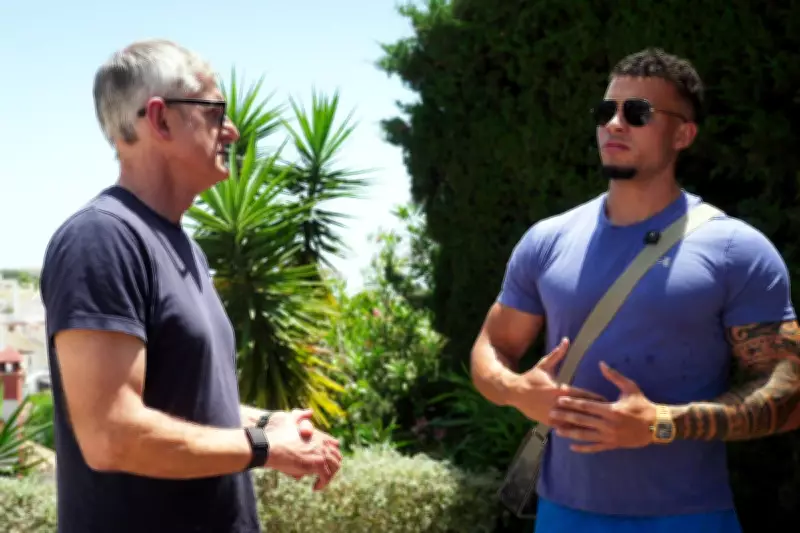
In a revealing moment from Louis Theroux's documentary on the manosphere, influencer Harrison Sullivan, known as HS TikkyTokky, drops his bravado to express anxiety about reuniting with his father. This fleeting vulnerability underscores a deeper issue explored in the film: the link between childhood trauma and the rise of toxic masculinity online.
The Psychology Behind Hypermasculinity
Theroux's investigation into online influencers, who profit from promoting extreme masculinity, uncovers a common thread among them: many have experienced broken or violent childhoods, often lacking positive male role models. As Theroux notes, these men carry unresolved wounds from their past, leading them to adopt brutal strategies of self-reliance.
Parenting expert Tanith Carey, a psychology writer and Gestalt psychotherapy student, argues that dismissing these men as "morons" only perpetuates the problem. Instead, understanding the "father wound"—rooted in experiences like paternal absence, emotional withholding, or abuse—is crucial. Boys who internalize messages of unworthiness may turn to hypermasculinity as a shield against shame and vulnerability, often oppressing others in the process.

Case Studies: From HS TikkyTokky to Andrew Tate
Harrison Sullivan's story is poignant: raised primarily by his single mother, with little contact from his father, former England rugby star Victor Ubogu. In the documentary, Harrison confronts his father about his absence, revealing the wounded child beneath his macho persona. Similarly, Andrew Tate, a central figure in the manosphere, describes a childhood marked by beatings from his father, whom he claims was mostly absent.
These examples highlight how father wounds can manifest in adulthood, driving men to seek validation through online influence and toxic behaviors. The documentary cuts between childhood photos and present-day confrontations, emphasizing the lasting impact of paternal relationships.
Broader Implications for Society and Politics
The manosphere's influence extends beyond personal trauma, merging with mainstream politics and affecting global dynamics. Figures like Donald Trump, raised by a harsh and authoritarian father, exemplify how father wounds can shape leadership styles characterized by narcissism and cruelty. Elon Musk's erratic behavior has also been linked to a volatile father who reportedly belittled him.
Research, such as a 2013 study in the Journal of Interpersonal Violence, shows that boys who learn to suppress emotions like fear or sadness may develop reduced empathy, a trait evident in many powerful men. Psychotherapist Phillip Hodson warns that without addressing these wounds, men may unconsciously replicate their fathers' behaviors while endlessly seeking approval.
Healing and Moving Forward
Despite the damage caused, many men with father wounds remain unaware or unwilling to acknowledge their trauma. Harrison Sullivan, for instance, attributes any issues to the subconscious, perpetuating a cycle of outward rage and validation-seeking. Theroux concludes that society is increasingly entangled in the manosphere's web, urging collective effort to find a way out.
Tanith Carey emphasizes that insight and compassion, rather than condemnation, are key to addressing this issue. By recognizing the psychological roots of hypermasculinity, we can begin to heal not only individual wounds but also the societal fractures they exacerbate.