Hospital Trust Criticised for Delayed Meningitis Alert in Kent Outbreak
A hospital trust in Kent has faced accusations of missing a critical opportunity to alert health authorities about a meningitis case, potentially delaying the public health response to an outbreak that has affected students and required extensive medical intervention.
Timeline of Events and Reporting Delay
The incident centres on a patient who first presented to The Queen Elizabeth The Queen Mother Hospital in Margate on the evening of Wednesday, March 11. According to reports from the BBC, the hospital did not formally report the suspected meningitis case to the UK Health Security Agency (UKHSA) until Friday, March 13, once a diagnosis had been confirmed through laboratory testing.
This delay contravenes established legal protocols, which mandate that all suspected cases of meningitis must be reported to UKHSA immediately, without waiting for laboratory confirmation. The 24-hour reporting window is designed to enable rapid tracing and containment efforts to prevent further transmission.

In this instance, hospital staff suspected meningitis by mid-morning on Thursday, yet notification to UKHSA occurred approximately 26 hours later, slightly exceeding the required timeframe.
Official Response and Investigation
Health Secretary Wes Streeting addressed the issue publicly, stating that he is taking the matter "seriously" while noting that the delay "did not have a material impact" on the outbreak's spread. Speaking to LBC, Mr Streeting explained that despite the breach of protocol, there is no evidence that the delay led to onward transmission that could have been prevented with faster reporting.
"We have that 24-hour standard for a reason, and I am taking this seriously," Mr Streeting emphasised. However, he praised the subsequent response from the NHS trust, local universities, colleges, schools, and young people in Canterbury as "exemplary," highlighting that confirmed and suspected cases have begun to decline.
When questioned about potential disciplinary actions, Mr Streeting indicated that the trust had already implemented improvements to enhance compliance and rapid reporting, suggesting that immediate corrective measures had been taken.
Trust Admission and Outbreak Details
East Kent Hospitals University Foundation Trust, which operates the hospital, acknowledged the lapse. Dr Des Holden, acting chief executive at the trust, stated: "We recognise there was an opportunity prior to diagnosis being confirmed on Friday March 13 to notify UKHSA." The trust has maintained close contact with UKHSA since March 13 to manage patients presenting with suspected meningitis.
The meningitis outbreak in Kent has resulted in two tragic student deaths: 18-year-old Juliette Kenny, described by her family as "fit, healthy and strong" before her death, and a University of Kent student. As of 12:30 pm on Tuesday, UKHSA confirmed 20 laboratory cases, with two additional cases under investigation, bringing the total to 22. This represents a slight decrease from the previous day.
All patients affected by the outbreak have required hospital admission, with nine admitted to the intensive care unit. Four patients remain in intensive care as of the latest updates.
Public Health Measures and Vaccination Efforts
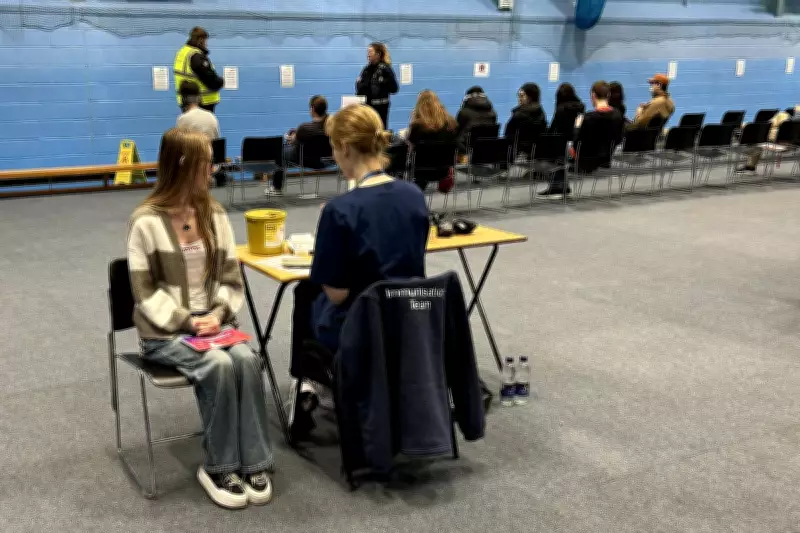
In response to the outbreak, officials initiated a large-scale public health campaign, including vaccination and antibiotic distribution. Vaccinations for University of Kent students began on Wednesday, March 18. NHS Kent and Medway reported that by 11 am on March 24, 13,386 doses of antibiotics had been administered, alongside 10,627 vaccines.
A UKHSA spokesperson outlined the agency's standard procedures for managing such cases, noting that the events of Saturday night, involving acutely unwell individuals, triggered an extensive public health response on Sunday as information emerged.

Broader Context: Trust Under Scrutiny
This incident occurs as East Kent Hospitals University Foundation Trust has been identified as one of the first hospital trusts placed under the NHS Intensive Recovery programme. The Department of Health and Social Care explained that this programme targets trusts with the longest patient wait times, persistent financial issues, and high leadership turnover, indicating broader systemic challenges within the trust.
Despite the reporting delay, health authorities express cautious optimism that the outbreak is being contained, with cases beginning to fall and a robust response underway across the affected community.