Honey's Health Hype: Unpacking the Science Behind Its Medicinal Claims
For millennia, honey has been revered not just as a sweetener but as a medicinal remedy, with ancient civilisations like the Egyptians and Greeks using it to treat burns. Today, it is often touted as a superfood with a litany of purported benefits, from fighting superbugs to soothing coughs. However, a closer examination reveals a complex picture where evidence is mixed and quality research is often lacking.
The Historical and Modern Context of Honey
Hippocrates, the father of medicine, mistakenly advocated honey for diverse purposes, including contraception and baldness. In contemporary times, honey is promoted for its antioxidant, anti-inflammatory, and antimicrobial properties, with claims it can combat drug-resistant bacteria. Yet, as highlighted in the Antiviral series, many assertions, such as raw honey alleviating hay fever symptoms, lack substantial backing.
Composition and Antimicrobial Properties
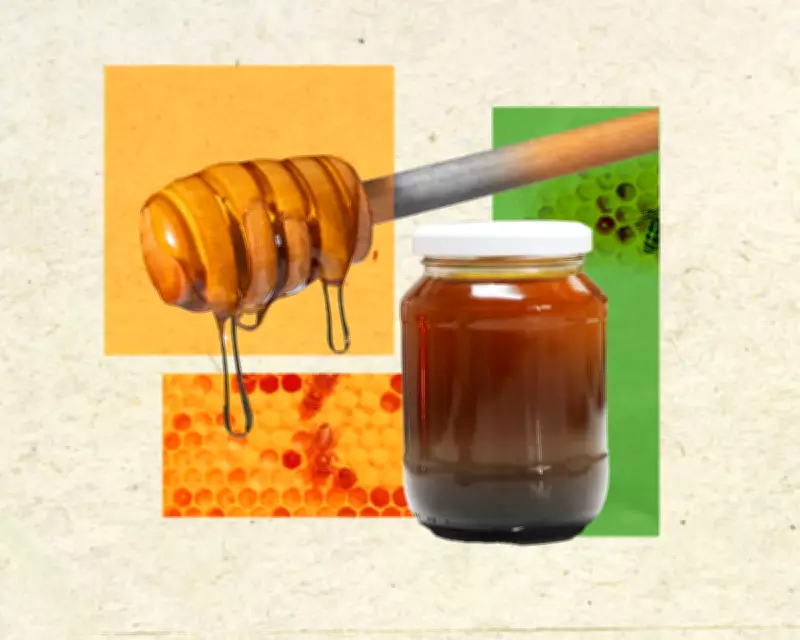
Produced by the western honeybee, Apis mellifera, honey is approximately 80% sugar, a concentration that inhibits bacterial growth and grants it an indefinite shelf life. Dr Kenya Fernandes of the University of Sydney notes that honey has been found preserved in ancient pots for thousands of years. Beyond sugar, honey contains antimicrobial components like hydrogen peroxide, a common disinfectant. A 2024 study co-authored by Fernandes found that Australian honey samples retained antimicrobial effects even after 15 to 17 years of storage.

Manuka honey, derived from the manuka tree, uniquely contains methylglyoxal, a compound with antibacterial qualities. Liz Harry, an emeritus professor at the University of Technology Sydney, emphasises that honey's efficacy stems from a complex mixture of proteins, peptides, and other elements working synergistically, making whole honey preferable for topical treatments over isolated components.
Wound Healing and Clinical Challenges
Some evidence suggests honey can aid wound healing, potentially outperforming certain antiseptics. However, Prof Deshan Sebaratnam, a dermatologist at the Skin Hospital in Sydney, cautions that most studies in this area are of poor quality, limiting its widespread use in healthcare. Raw honey may harbour bacterial spores, such as those causing botulism, so it is unsafe for infants under 12 months, and medical-grade honey is sterilised with gamma radiation for wound dressings.
Standardising non-manuka honeys for clinical applications is challenging due to variability in active compounds. Fernandes' recent research indicates that honey from bees collecting nectar from diverse Australian native plants exhibits stronger antimicrobial effects than single-source varieties. Scientists currently lack tools to predict which honeys will consistently perform well against bacteria, underscoring the need for further investigation.
Antibiotic Resistance and Gut Health
While honey shows promise as an antiseptic for external use, it is not a viable antibiotic for internal bacterial infections. Harry explains that consuming honey does not allow it to act like a drug in the bloodstream, and other antiseptics like ethanol are ineffective when ingested. There is no evidence that manuka honey is superior to other types when eaten.
However, honey may influence gut health through oligosaccharides, indigestible carbohydrates that act as prebiotics by fostering beneficial gut bacteria. Due to its high sugar content, Harry doubts honey would be marketed for gut health, but prebiotic compounds present a promising avenue for future study. Research also links honey to improved sleep and reduced cough severity in children with upper respiratory infections, though these conditions often resolve without treatment, and results vary due to inconsistencies in honey types and doses.
Conclusion: A Balanced Perspective
As Prof Clare Collins of the University of Newcastle advises, findings on honey's benefits must be interpreted cautiously due to variability in components and study designs. While honey holds potential as a prebiotic and wound healer, its high sugar content and the lack of robust evidence necessitate a balanced view, avoiding unfounded hype in favour of rigorous scientific exploration.