Homeless International Student's Body Lies Unnoticed in Sydney for Days
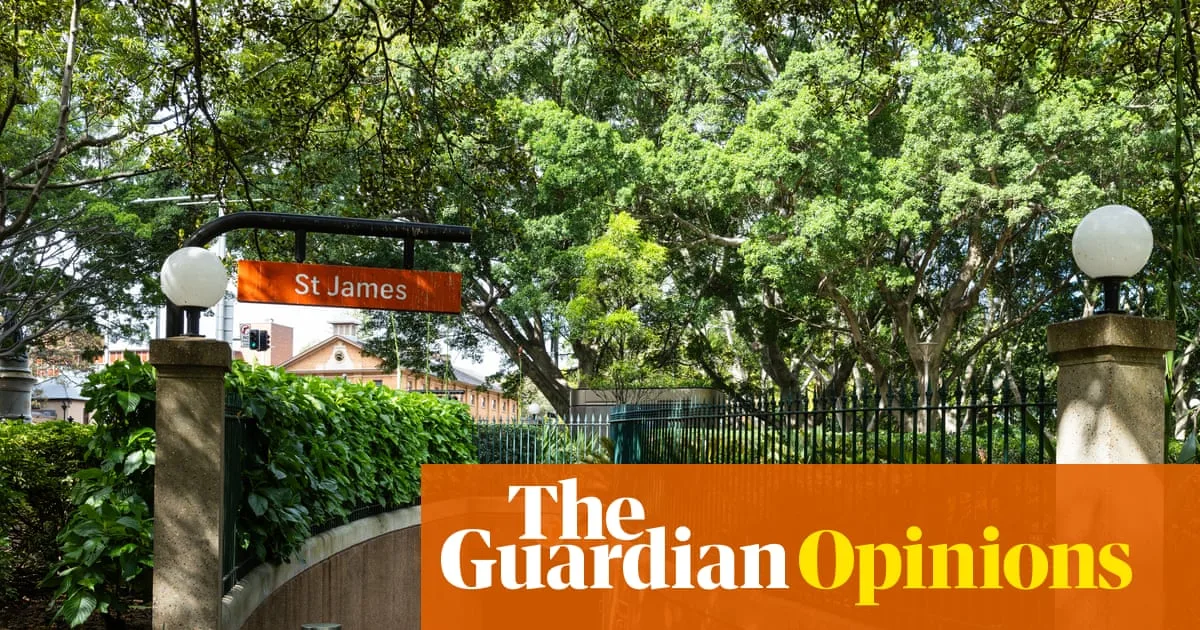
The Australian public has reacted with profound sadness and outrage following revelations that the lifeless body of a homeless international student lay undiscovered for approximately one week near one of Sydney's busiest train stations. Nepali national Bikram Lama, who arrived in Australia in 2013 to pursue computer science studies, was found deceased in bushes near St James station entrance on December 7th.
A Dream Turned Tragic Reality
Instead of achieving the promising future he envisioned, the 32-year-old student encountered severe hardship after his student visa expired and he became estranged from his family in Nepal. Mr Lama ended up sleeping rough in Hyde Park and the adjacent St James station tunnel, a major thoroughfare regularly used by CBD workers and visitors. Station staff eventually discovered his badly decomposed remains, with police estimates suggesting around 100,000 commuters had walked past the location during the week his body went unnoticed.
The Guardian's extensive investigation into this senseless and lonely death has dramatically highlighted Sydney's escalating homelessness crisis. The body was discovered during a severe heatwave, with decomposition so advanced that authorities initially struggled to identify Mr Lama. Police were forced to contact the Nepal Embassy to request dental records and fingerprint information from his relatives back home.
Systemic Failures and Public Outcry
Erin Longbottom, nursing unit manager at St Vincent's homelessness health service, told The Guardian: 'He was just somebody who fell through all the cracks, and was obviously scared and didn't have any support. It's like he's an invisible person and that's just completely devastating.'
Australians expressed horror upon learning details of Mr Lama's tragic circumstances. One social media user wrote: 'That not one person noticed a young man had died in public is a wretched and dehumanising representation of the city of Sydney and its people.' Another commenter added: 'We should all feel ashamed, especially our politicians who we charge with caring for everyone living in Australia.'
Political Responses and Statistical Reality
Australian Greens Senator for South Australia Barbara Pocock called for increased government intervention, stating: 'No one should have to suffer the indignity & injustice of neglect. Direct and increased government funding in public housing provides a greater safety net for those who don't have access to other pathways to housing. Robust homelessness support services are essential for looking after people who have no where else to go.'
The statistical reality underscores the severity of the situation. According to 2021 Census data, people born overseas accounted for 46 percent of Australia's homeless population despite representing only 28 percent of the general population. A government count conducted in February 2025 recorded 346 rough sleepers in the City of Sydney local government area, marking a 24 percent increase compared to the previous year. The City of Sydney estimates approximately one in five rough sleepers in the CBD are non-citizens.
Broader Social Implications
One Sydney resident shared a recent experience encountering a homeless Indigenous woman near an Opera House exit, writing on Reddit: 'The woman was probably there before the sun came up and thousands of pedestrians have probably walked past her in broad daylight before I noticed her. I ended up calling an ambulance for her because she was clearly dehydrated and in desperate need of medical attention. That was the day I realised that people in Sydney can be that heartless. The idea of the Good Samaritan is as good as dead in this country.'
Many Australians have called for a fundraiser to repatriate Mr Lama's remains to his grieving family in Nepal. One commenter noted: 'Nobody deserves to have gone through this. We as Australians can do the least by supporting and ensuring that this person's remains can be sent back to his family in Nepal and they get some peace and closure.'
This tragic incident has sparked renewed debate about social responsibility, government housing policies, and the treatment of vulnerable international students within Australian society.






