
More than 300,000 children already living in the UK could have to wait 10 years for settled status under proposed changes to the Home Office's 'earned settlement' policy, according to an analysis by the Institute for Public Policy Research (IPPR). The thinktank found that nearly a quarter of the 1.35 million people currently on routes to settlement are children, most as dependants on family work visas.
The proposed changes would double the time for most migrant workers to qualify for permanent residence from five to 10 years, and extend it to 15 years for those in below-graduate level jobs, including many care workers. The IPPR warns that applying these rules retrospectively would penalise families who made life-changing decisions based on earlier expectations.
Around 40 Labour MPs have raised concerns, describing the retrospective approach as 'un-British' and 'moving the goalposts'. At a Westminster Hall debate, MP Tony Vaughan said: 'You cannot talk about earning settlement if you keep moving the goalposts after the game has started.' Rachael Maskell MP argued the reforms risk worsening the UK's skills shortage, adding the policy 'belongs in the bin'.
The IPPR says delayed settlement could restrict children's access to higher education, student finance and stable employment, and increase the risk of child poverty as parents face restricted access to benefits. The thinktank is calling on the government to protect those already on settlement routes from retrospective changes.
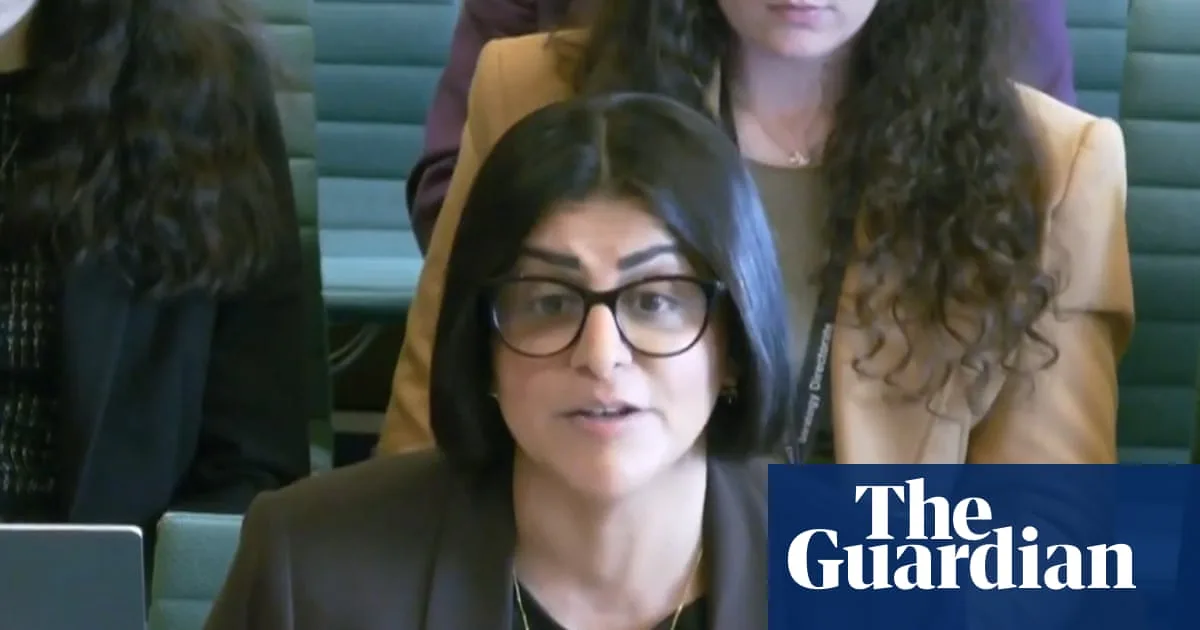
Shabana Mahmood defended the plans before the home affairs select committee, stating settlement is a 'privilege not a right' and it is 'right that we extend it'. She noted five years is 'quite a short period' for permanent settlement.




