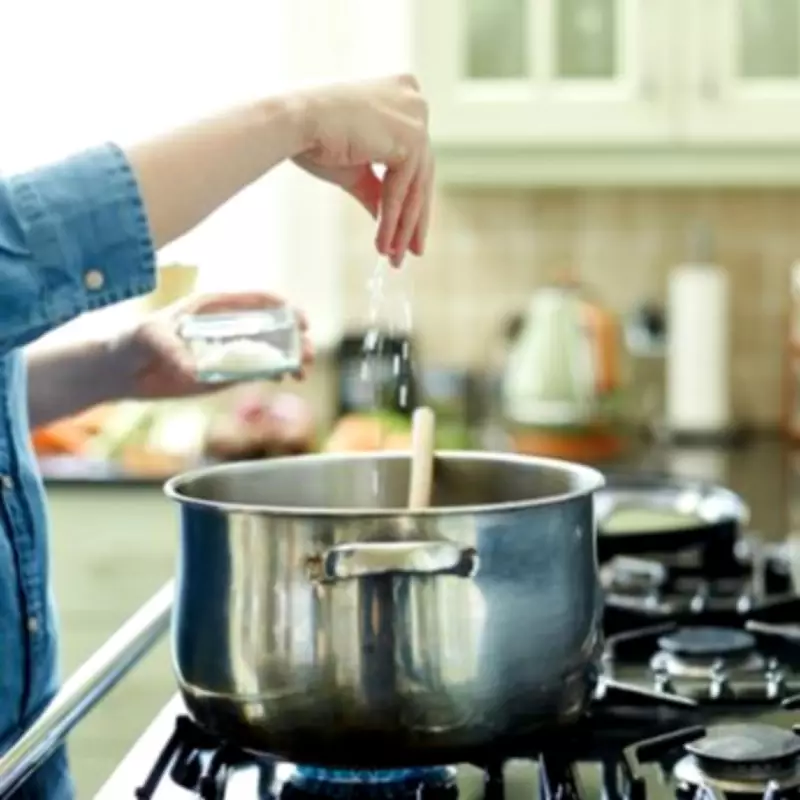
Weekly Home Cooking Could Slash Dementia Risk by 30%, Japanese Study Reveals
A comprehensive Japanese study involving over 11,000 pensioners has uncovered a striking link between home cooking and reduced dementia risk in later life. The research indicates that preparing a meal from scratch at home at least once a week can lower the likelihood of developing dementia by an impressive 30%.
Significant Protective Benefits for Novice Cooks
The data from the extensive six-year study suggests that the protective benefits might be even more pronounced for those with limited cooking experience. For novice cooks who engage in home meal preparation, the potential reduction in dementia risk could reach as high as 70%, according to the research findings.
Dr Yukako Tani, lead author from the Institute of Science Tokyo, explained the significance of these findings. "The risk of dementia became lower as people cooked more frequently," Dr Tani stated. "The benefits of cooking were particularly significant for those with low cooking skills, meaning little cooking experience. Creating an environment where people can cook meals when they are older may be important for the prevention of dementia."

Study Methodology and Participant Details
The research team examined data from 10,978 individuals who were tracked for six years until 2022 as part of the Japan Gerontological Evaluation Study. The participant pool included a diverse demographic, with one-fifth of participants aged over 80 and half being women. Over the course of the study, 1,195 participants developed dementia.
Participants completed detailed questionnaires assessing their home cooking frequency and culinary skills across seven specific factors. These included practical abilities such as peeling fruits and vegetables and preparing complex dishes like stews. The study, published in the prestigious Journal of Epidemiology and Community Health, revealed that half of all participants cooked at home at least five times weekly.
Cooking as Complex Cognitive Exercise
Professor Eef Hogervorst of Loughborough University emphasized the multifaceted nature of cooking as an activity that engages multiple cognitive functions. "Cooking is a complex activity also involving transport, money handling, organisation and memory skills to do shopping and putting food together," Professor Hogervorst explained.
He further noted the connection between cooking ability and dementia progression, referencing Scandinavian research showing weight loss occurring years before dementia diagnosis. "This may be because people forget to eat or no longer have the skills required to cook," he suggested. "That said, most takeaway meals are too fatty and salty, so home cooked, using whole foods with lots of fresh vegetables, is good for overall health and should be recommended."
Broader Context and Expert Perspectives
The research emerges against a backdrop of increasing reliance on restaurants, takeaways, and frozen convenience foods in recent decades, particularly among elderly populations. For older individuals, preparing meals at home provides valuable physical activity, cognitive stimulation, and typically results in healthier meals free from the additives commonly found in processed foods.
Dr Susan Kohlhaas, executive director at Alzheimer's Research UK, offered a measured perspective on the study's implications. "This study suggests a possible link between home cooking and dementia risk, but it cannot show that cooking itself directly influences whether someone develops the condition," Dr Kohlhaas cautioned.
She continued, "While this study doesn't provide strong evidence that cooking at home reduces dementia risk, there is good evidence that keeping active, eating well, and staying socially connected can help support brain health."
Demographic Patterns in Cooking Habits
The study revealed interesting demographic patterns in cooking frequency. Women and experienced cooks tended to prepare more home meals than men and those with limited cooking experience. This finding highlights potential areas for intervention and support, particularly for demographic groups less likely to engage in regular home cooking.

The research underscores the importance of maintaining cooking skills into later life and suggests that encouraging home meal preparation could form part of broader dementia prevention strategies. As populations age globally, such lifestyle interventions take on increasing significance in public health planning and individual wellness approaches.