
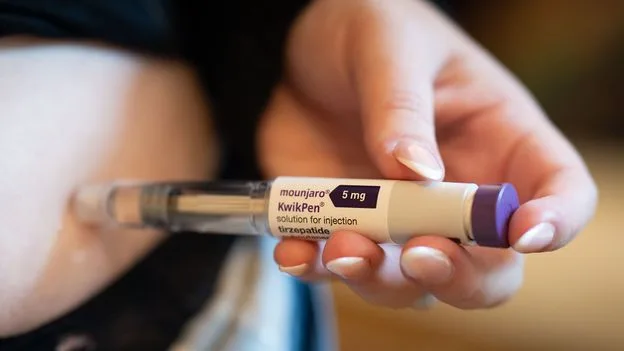
Weight-loss drugs are not the quick fix solution many believe, especially for long-term weight maintenance, experts warn. Sarah Le Brocq, who has lived with obesity for most of her adult life, lost almost eight stone (51kg) after taking weight-loss drugs for over two years. 'All of a sudden I wasn't thinking about food anymore,' she told the BBC's Inside Health. However, she had tried numerous diets before, and the weight always returned.
Millions are now accessing medications like semaglutide and tirzepatide, known as Ozempic and Mounjaro. These drugs suppress appetite by mimicking hormones that signal fullness. They are highly effective, with weight loss of 14-20% in 72 weeks, but about 10-15% of people lose very little weight. David Cummings, professor of medicine at the University of Washington, calls them 'the closest thing I've seen to miracle drugs,' but warns that weight tends to rebound quickly when people stop taking them.
Naveed Sattar, professor of cardiometabolic medicine at the University of Glasgow, describes GLP-1s as 'a chemical shield' against the 'modern obesogenic environment.' However, he stresses the need for behavioural change. A recent study found weight regain happens up to four times more quickly after stopping weight-loss drugs compared to ending a behaviour-focused programme. Another study showed those on drugs gained 1.5kg eight weeks after stopping, with health concerns like high blood pressure returning.
People stop taking the drugs for various reasons, including expense, insurance coverage ending, or a desire not to be on medication long-term. Cummings notes that many believe they can continue losing weight with willpower, but evidence suggests otherwise. The average treatment duration is about 39 weeks, according to an analysis of over 9,000 patients. Experts advise that anyone considering these drugs should plan for long-term use and combine them with lifestyle changes to maintain results.




